
Livestock in Darfur are central to the local economy and culture. They not only provide essential nutrition and income but also play a critical role in people’s livelihoods and social structures. However, traditional livestock management practices in the region carry significant health implications. Zoonotic diseases—those transmitted between animals and humans—are a constant threat amid inadequate veterinary services and infrastructure challenges. This report outlines the intricate relationship between livestock management and community health, emphasizing the need for integrated, One Health approaches to mitigate risks and improve outcomes.
Background and Context
Darfur, a region in western Sudan, has long experienced the twin challenges of conflict and underdevelopment. The ongoing instability, displacement of communities, and limited public resources have profoundly affected all sectors, including veterinary and human health services. Livestock such as cattle, goats, sheep, and camels are essential to the survival of local populations. Yet, the harsh environmental conditions, combined with traditional animal husbandry practices, place both livestock and human populations at risk for infectious diseases. The resulting public health issues necessitate coordinated interventions that bridge the disciplines of veterinary science, human medicine, and environmental stewardship.
Livestock Management Practices in Darfur
Traditional Methods and Economic Role
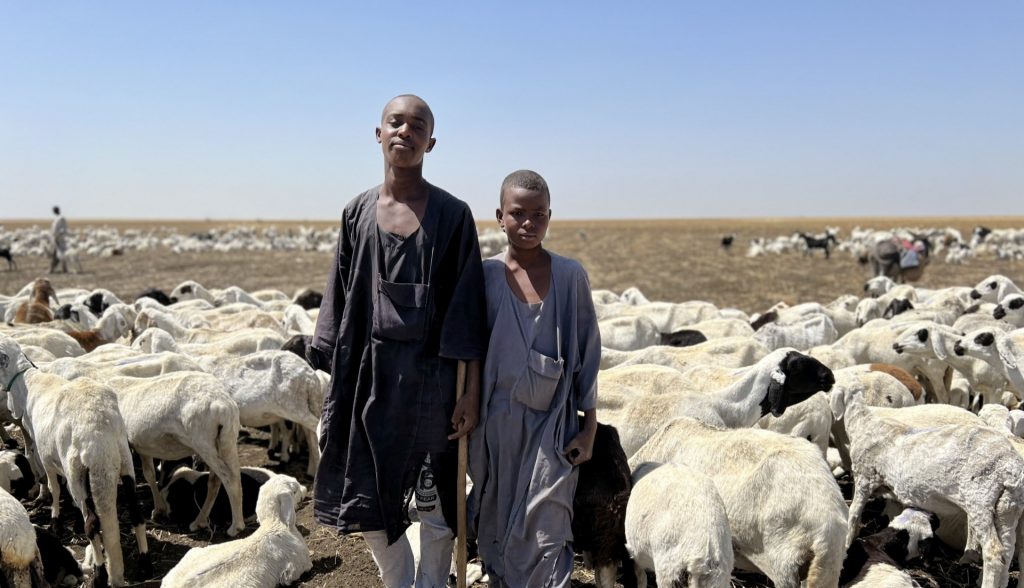
In Darfur, livestock management traditionally involves extensive grazing systems where animals roam to find water and pasture. Nomadic and semi-nomadic pastoralism are common, reflecting centuries of adaptation to the region’s challenging terrain and climate. Livestock are not only a food source but also serve as a form of financial security, social capital, and cultural heritage. Despite its strengths, this management model often lacks the controlled environments that can mitigate disease transmission.
Veterinary Services and Infrastructure
Limited access to modern veterinary facilities along with inadequate diagnostic and treatment resources poses challenges for early disease detection and effective animal care. Many communities rely on traditional knowledge and sporadic visits by veterinary outreach teams. Overall, the infrastructure is sparse, and there is a shortage of trained veterinary professionals who can advise on best practices or manage outbreak situations proactively.
Health Implications of Livestock Management
Zoonotic Disease Transmission
Livestock present several potential zoonotic threats that directly impact human health. Common diseases include:
- Rift Valley Fever (RVF): Transmitted through mosquitoes and direct contact with infected animals, RVF can lead to severe illness in both livestock and humans.
- Brucellosis: Often spread through consumption of unpasteurized milk or via contact with infected animal tissues, brucellosis results in chronic health issues such as fever and joint pain.
- Anthrax: A bacterial disease affecting primarily herbivores, anthrax can be fatal to humans who handle infected carcasses without strict protective measures.
- Parasitic Infections: Endemic parasites can infect livestock and, subsequently, humans who are exposed during animal handling or through contaminated water and food.
These diseases exemplify the tight link between livestock management and community health, especially in a context where early detection and prevention measures are often lacking.
Food Safety and Nutrition
Livestock products—particularly meat and dairy—are vital sources of protein and micronutrients. However, insufficient processing, lack of cold-chain logistics, and basic contamination risks can lead to foodborne illness outbreaks. Unhygienic milking practices and the absence of adequate quality control measures further compound these risks, impacting not only individual health but also wider public health outcomes.
Antibiotic Resistance and Chemical Exposure
The use of antibiotics and other chemicals in animal husbandry, even if limited, can contribute to the development of antimicrobial resistance. Without proper regulation, such practices may exacerbate resistance patterns, reducing treatment efficacy for both animal and human infections. This is a significant concern as it threatens to undermine the gains made in managing infectious diseases.
Environmental and Socioeconomic Dimensions
Impact of Conflict and Resource Scarcity
Years of conflict have disrupted traditional livestock practices and diminished the capacity to manage health risks effectively. Displacement and insecurity force pastoralists into crowded camps or temporary settlements, accelerating the spread of infectious diseases among both animals and humans. Limited access to water and pasture further stresses the animals, weakening their immunity and increasing vulnerability to disease.
Community Resilience and Livelihood Strategies
Despite these challenges, communities have developed innovative, if informal, practices to safeguard both animal and human health. Local knowledge remains a cornerstone of effective livestock management, even as external pressures necessitate new approaches. The integration of traditional methods with modern veterinary and public health strategies offers a promising path forward, particularly through initiatives that empower local populations to play an active role in health surveillance and disease prevention.
Current Initiatives and Challenges
Integrated One Health Approaches
Recognizing the interconnectedness of human, animal, and environmental health, international organizations and local agencies are gradually adopting One Health strategies. These initiatives aim to:
- Enhance Surveillance: Establish a joint surveillance system for early detection of zoonotic diseases.
- Strengthen Veterinary Care: Provide training and resources to build local capacity in veterinary services.
- Promote Education: Raise community awareness about safe handling practices, hygiene, and disease prevention.
Infrastructure and Resource Limitations
The implementation of integrated health systems is hampered by limited infrastructure, funding, and human capital. Inadequate diagnostic laboratories, poorly maintained transport networks, and a dearth of qualified professionals restrict the effectiveness of current programs. Moreover, competing priorities in fragile settings often sideline specialized initiatives like comprehensive livestock management.
Data Gaps and Research Needs
Reliable data on livestock-associated health issues in Darfur remains scarce. Without robust surveillance data, planning effective interventions becomes exceedingly challenging. Investment in research and data gathering is thus critical, as it would enable tailored strategies and more informed policy decisions.
A summary overview of key zoonotic diseases and relevant preventive measures is presented in the table below:
| Disease | Primary Livestock Affected | Human Transmission | Key Preventive Measures |
|---|---|---|---|
| Rift Valley Fever | Cattle, sheep, goats | Mosquito bites; direct contact with infected blood/tissues | Vaccination of livestock, vector control, use of protective gear |
| Brucellosis | Cattle, goats, sheep | Consumption of unpasteurized dairy; direct contact with infected animals | Pasteurization of dairy products, regular screening, public awareness |
| Anthrax | Cattle, goats | Handling of infected carcasses; inhalation of spores | Timely vaccination, effective carcass disposal, public education |
| Parasitic Infections | Various livestock species | Contamination through water or handling | Improved sanitation, deworming programs, proper animal husbandry practices |
Recommendations for Enhanced Livestock Management and Health
To improve the interplay between livestock management and human health in Darfur, the following recommendations are proposed:
- Adopt Integrated One Health Approaches:
- Establish multi-sectoral committees that include veterinary, human health, and environmental experts.
- Develop joint surveillance and response systems to monitor emerging zoonoses.
- Strengthen Infrastructure and Capacity:
- Invest in modern diagnostic laboratories and mobile units that serve remote pastoral communities.
- Enhance training programs for local veterinary and public health professionals, emphasizing zoonotic disease prevention and control.
- Promote Community-Based Interventions:
- Implement routine health education programs that focus on safe livestock handling, hygiene, and food safety.
- Encourage the adoption of community-led monitoring systems to quickly identify and manage outbreaks.
- Enhance Data Collection and Research:
- Secure funding and technical support for comprehensive studies on zoonotic disease prevalence and livestock health.
- Collaborate with academic institutions and international organizations to foster research that informs policy and practice.
- Regulate Antibiotic and Chemical Use:
- Develop guidelines for the safe and judicious use of antibiotics in livestock.
- Educate livestock keepers on best practices to reduce the risk of antimicrobial resistance and environmental contamination.
The management of livestock in Darfur is inextricably linked to the health and well-being of its people. Continued conflict and resource scarcity have magnified the risks posed by zoonotic diseases, undermining both livelihood security and public health. However, by adopting integrated One Health strategies, investing in infrastructure and education, and promoting community-based initiatives, Darfur can forge a path toward healthier livestock practices and safer living conditions. Addressing these challenges through coordinated, evidence-based interventions will significantly reduce disease transmission and build a resilient system capable of serving both current and future generations.