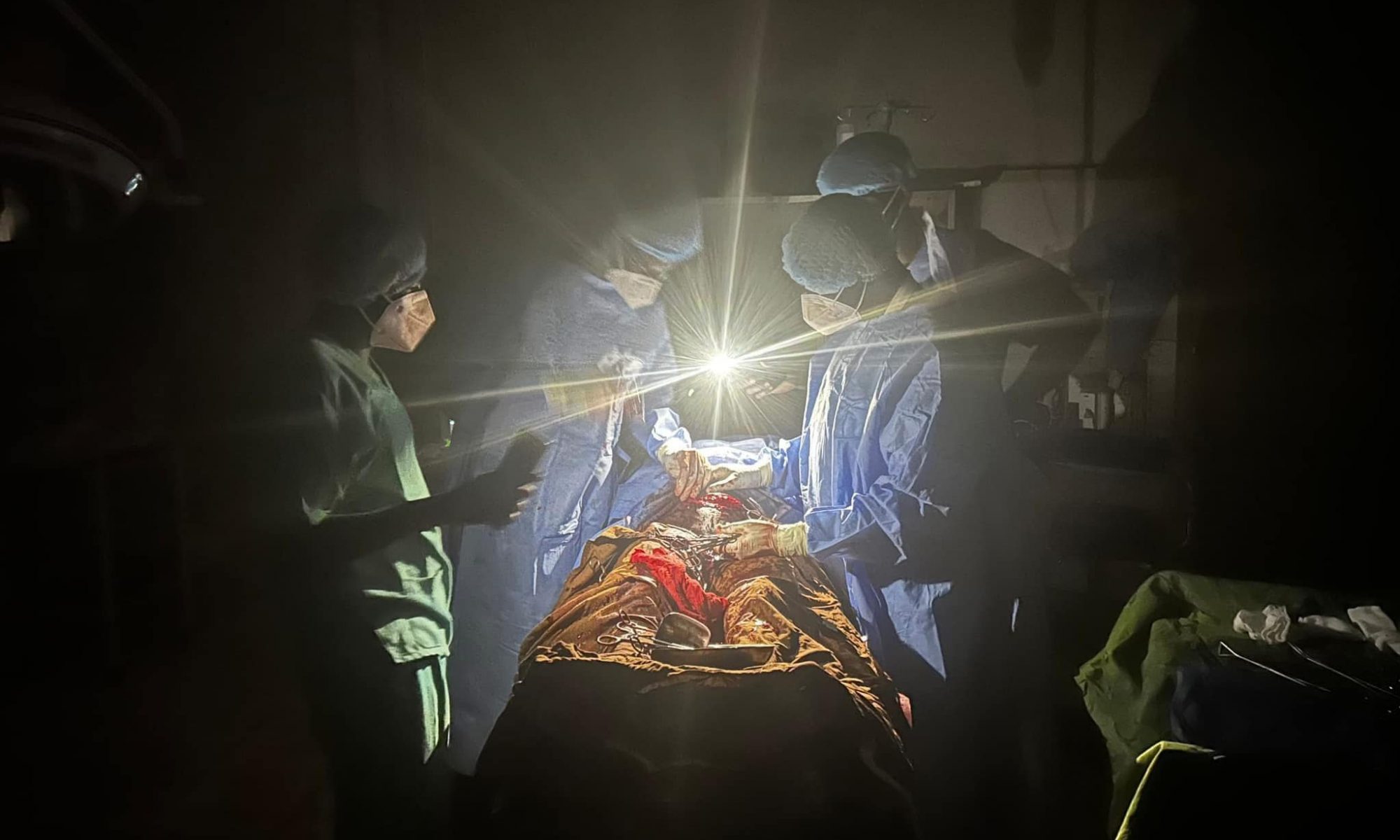

While general health services have often been the focus in regions affected by conflict, specialized care—including dental and vision services—is equally essential for ensuring overall wellbeing and quality of life. In Darfur, where ongoing instability, displacement, and limited healthcare infrastructure converge, dental and vision clinics have emerged as critical service points for communities. This report details the developments, current state, and challenges facing these specialized clinics and outlines recommendations for a more integrated, sustainable approach to dental and vision care.
Background and Context
Darfur, a region in western Sudan, has endured years of conflict and humanitarian crises that have profoundly affected all sectors of community life, including healthcare. In such environments, basic healthcare needs are often prioritized, leaving specialized services—such as dental and vision care—in a state of underdevelopment. Despite this, dental and vision clinics serve an important role by addressing preventable conditions that, if left untreated, can severely affect quality of life and community productivity. Over the last decade, local and international organizations have begun to recognize and address this gap, albeit with ongoing challenges related to resources, infrastructure, and human capital.
Dental Clinics in Darfur
Overview of Services
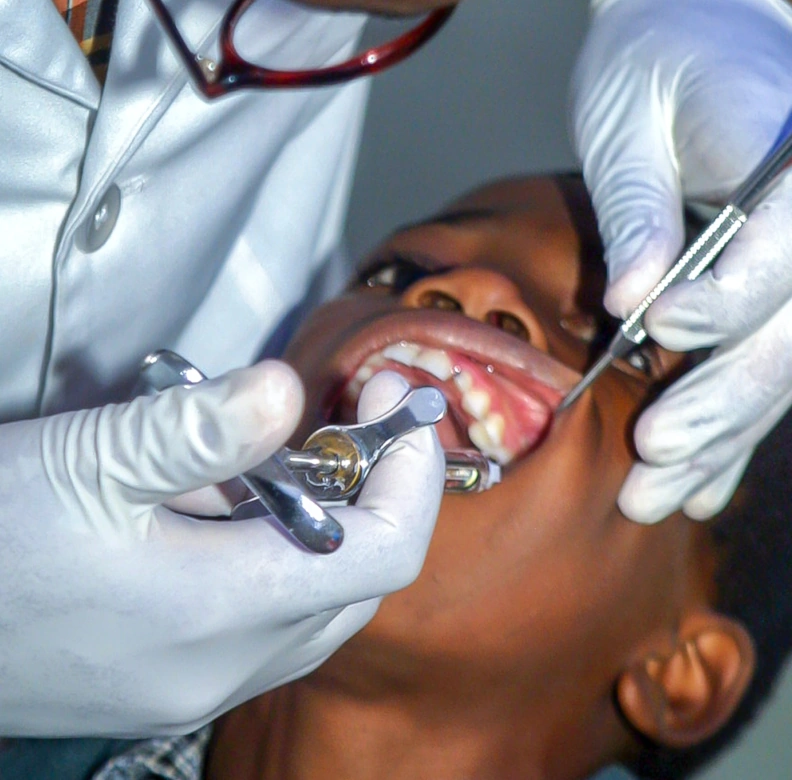
Dental clinics in Darfur primarily focus on:
- Preventive Care: Oral hygiene education, routine dental checkups, and preventive treatments to combat dental caries and periodontal diseases.
- Restorative and Emergency Procedures: Basic restorative services such as fillings, extractions, and treatment of acute dental infections.
- Outreach and Community Engagement: Mobile dental units and periodic outreach programs address the needs of remote and underserved populations where regular clinic access is limited.
These services are critical not only for reducing pain and infection but also for boosting overall health, given the interrelationships between oral health and systemic diseases.
Infrastructure and Training
Most local dental clinics operate with limited funding and basic equipment. The scarcity of dedicated dental chairs, sterilization units, and diagnostic tools hinders their effectiveness. Moreover, the shortage of specialized dental professionals means that many clinics rely on general practitioners with some dental training or visiting teams that provide episodic care. The lack of in-region dental training programs contributes to these challenges, prompting reliance on external partnerships and periodic training workshops.
Vision Clinics in Darfur
Overview of Services
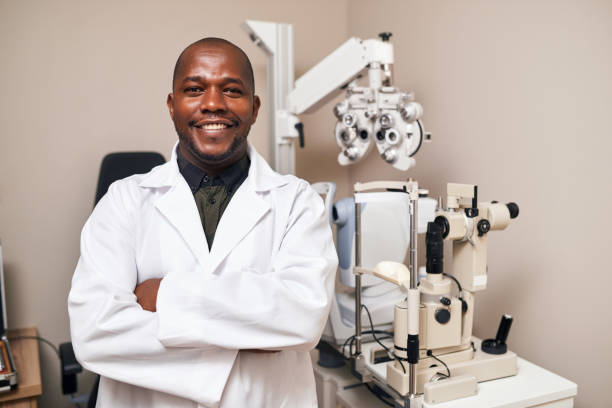
Vision clinics in Darfur typically offer:
- Basic Eye Examinations: Comprehensive screenings for refractive errors, cataract detection, and other common vision issues.
- Corrective Services: Provision of prescription glasses and basic treatments for conditions that can be managed non-surgically.
- Specialist Referrals and Outreach: In cases of cataracts, glaucoma, or retinal conditions, clinics refer patients to regional hospitals or arrange for visiting ophthalmologists to provide more advanced care.
Although these services are rudimentary compared to fully equipped eye centers, they play a crucial role in reducing preventable blindness and visual impairment across the region.
Infrastructure and Equipment Challenges
Vision clinics often face challenges such as:
- Outdated or Insufficient Equipment: Many clinics lack modern diagnostic tools (e.g., slit-lamp biomicroscopes or autorefractors) and surgical equipment essential for advanced procedures.
- Limited Trained Personnel: Ophthalmic nurses or optometrists may be in short supply, while specialist ophthalmologists are typically based in better-resourced urban centers or operate on a visiting basis.
- Geographic and Logistical Barriers: In remote areas, the delivery and maintenance of delicate instruments are hindered by poor infrastructure and difficulties in supply chain management.
Shared Challenges Facing Dental and Vision Clinics
Both types of clinics encounter several overlapping issues:
- Resource Scarcity: Chronic underfunding affects the acquisition of equipment, regular maintenance, and the everyday operation of clinics.
- Human Capital Limitations: The migration of skilled professionals out of the region, coupled with a lack of dedicated education programs, compounds the shortage of specialists.
- Infrastructure Constraints: Many clinics operate out of repurposed buildings that lack proper sterilization, storage, and diagnostic facilities.
- Instability and Displacement: Ongoing conflict and associated displacement create a fluctuating patient demographic while impeding long-term development strategies.
- Data Gaps: There is a scarcity of reliable data about oral and visual health in the region, making it difficult to plan services and measure progress effectively.
A comparative summary of key challenges is provided in the table below:
| Aspect | Dental Clinics | Vision Clinics |
| Services Offered | Preventive, restorative, emergency dental care | Screening, corrective services, referrals for surgery |
| Equipment and Facility | Basic dental units, limited sterilization equipment | Outdated diagnostic tools, limited surgical equipment |
| Expertise | General practitioners, periodic specialist visits | Basic vision care staff, visiting ophthalmologists |
| Infrastructure | Often underfunded, inadequate clinic setups | Limited inbound supply of specialized instruments |
| External Support | Occasional NGO and international partnerships | Similar reliance on external collaborations |
The Role of Partnerships and International Organizations
International NGOs and health agencies have been instrumental in bolstering both dental and vision care initiatives in Darfur. Key contributions include:
- Training and Capacity Building: Workshops and training programs for local healthcare providers from organizations such as the World Health Organization (WHO) and Médecins Sans Frontières (MSF) help bridge the skills gap.
- Donation and Equipment Provision: Partnerships have occasionally supplied essential equipment, ranging from basic dental kits to specialized ophthalmic instruments.
- Mobile Clinics and Outreach: Collaborative projects often include mobile units that bring dental and vision care directly to remote communities, thereby increasing access and building trust.
- Data Collection Initiatives: Efforts to document health needs and outcomes are beginning to shape a clearer picture of regional oral and visual health, which could drive better policy and funding models in the future.
Impact on Community Health and Socioeconomic Wellbeing
Improved dental and vision care has a ripple effect on overall community health. Untreated dental issues can lead to chronic pain, nutritional problems, and even systemic infections, while untreated vision impairments reduce education and employment opportunities. By addressing these areas comprehensively:
- Quality of Life: Individuals experience less pain and discomfort and gain improved functionality for daily tasks.
- Economic Productivity: With better oral and vision health, community members are more effective in their work, contributing to broader regional development.
- Social Empowerment: Community-based clinics foster health literacy and self-care, empowering residents to take charge of their health outcomes.
Recommendations and Future Directions
For long-term progress and sustainability in dental and vision care in Darfur, several strategic interventions are recommended:
- Infrastructure Investment:
- Upgrade facilities at existing clinics with modern dental and ophthalmic equipment.
- Establish purpose-built structures that accommodate preventive, diagnostic, and treatment needs.
- Capacity Building and Education:
- Develop local training programs and partnerships with academic institutions to increase the number of skilled dental and vision care professionals.
- Offer regular in-service training and exchange programs with international experts.
- Strengthening Partnerships:
- Expand collaborations with international NGOs, governmental agencies, and donor institutions to secure both funding and technical expertise.
- Implement mobile clinic programs to extend care into remote areas, ensuring service continuity despite geographic challenges.
- Data Collection and Research:
- Initiate comprehensive surveys to gather reliable data on oral and visual health needs, outcomes, and service gaps.
- Use data-driven strategies to tailor programs, monitor progress, and advocate for increased investment.
- Community Engagement and Outreach:
- Encourage local participation in awareness campaigns focused on the importance of dental hygiene and regular vision screenings.
- Involve community leaders in planning and implementation to ensure cultural relevance and sustainability.
Although Darfur has long faced challenges related to conflict and resource limitations, the emergence and gradual improvement of dental and vision clinics offer a beacon of hope. These specialized services not only address preventable conditions that cause pain and disability but also play a pivotal role in enhancing community wellbeing and economic productivity. A sustained, integrated approach that combines local initiative with international support—focusing on infrastructure, education, and outreach—can transform the state of dental and vision care in Darfur and, by extension, improve the quality of life across the region.