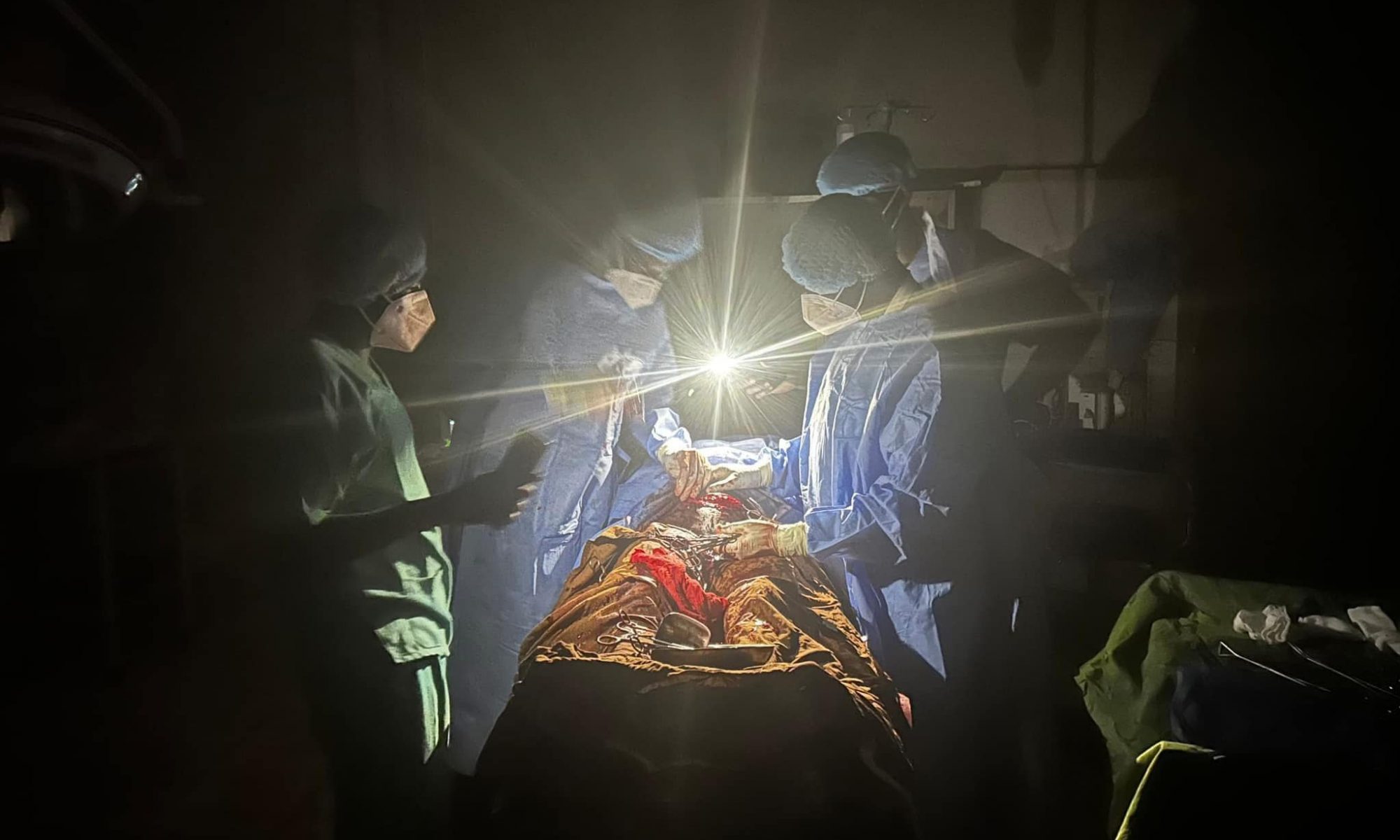

Tertiary care encompasses highly specialized medical services—including advanced diagnostics, specialized surgeries, and intensive care management—that are typically delivered in well-equipped referral or teaching hospitals. In Darfur, a region characterized by decades of conflict and instability, tertiary care represents both a critical need and a persistent challenge. While tertiary services are essential to address complex cases ranging from severe trauma to oncological and neurological disorders, the development of advanced facilities in Darfur has been hindered by structural limitations, resource constraints, and security challenges.
Historical and Socio-Political Context
Historically, the health care infrastructure in Darfur suffered a series of setbacks as conflict and displacement disrupted all levels of health provision. Prior to the escalation of hostilities in the early 2000s, the region’s health system had only limited secondary-level facilities, and tertiary care was virtually non-existent. Emergency humanitarian interventions initially established stop-gap measures to address urgent critical care needs, but these initiatives were primarily geared toward immediate survival rather than long-term specialized care. Over the years, with intermittent investments and sporadic external support, attempts to build a tertiary care framework have been piecemeal, reflecting both the deep-rooted challenges of maintaining advanced medical services in unstable environments and the priority given to basic health needs in crisis situations.
Structure and Current State of Tertiary Care
Facilities and Infrastructure
Tertiary care in Darfur is concentrated in a handful of urban centers and relatively secure locales. Hospitals in major towns—such as El Fasher and Nyala—serve as the primary hubs for advanced medical services. These facilities aim to incorporate:
- Advanced Diagnostic Services: Limited availability of high-end imaging modalities (e.g., CT scans, MRIs), specialized laboratories, and other diagnostic equipment essential for complex case evaluations.
- Specialized Surgical Units: Departments focused on general surgery, neurosurgery, cardiovascular interventions, and trauma surgery. Although present, these units often struggle with intermittent power supplies and outdated equipment.
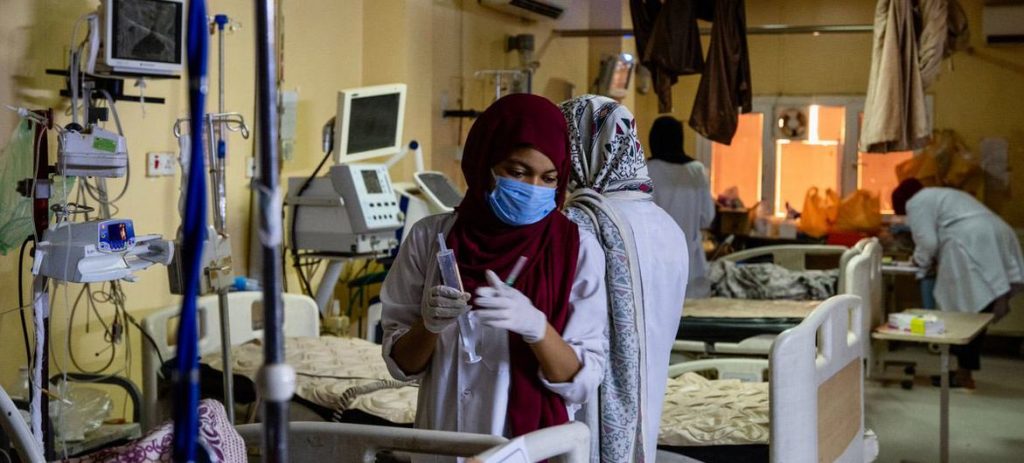
- Intensive Care and Specialized Wards: Critical care units designed to manage life-threatening conditions, post-operative care, and complex medical conditions that cannot be managed at primary or secondary levels.
- Clinical Training and Research Components: Some tertiary institutions have limited roles in training local specialists and allied health professionals, although the scale of academic and research initiatives is constrained by resource shortages.
Despite these efforts, tertiary institutions in Darfur are few, and even the existing facilities often operate below the standard seen in more stable settings.
Services Offered
Tertiary care centers in Darfur focus on providing advanced interventions that include:
- Complex Surgical Procedures: From emergency trauma surgeries related to conflict injuries to elective procedures such as tumor resections and cardiovascular surgeries.
- Specialized Medical Consultations: Services for oncology, neurology, cardiology, and other domains that require interdisciplinary teamwork and expertise.
- Advanced Diagnostic Evaluations: Utilizing specialized imaging and laboratory diagnostics to guide treatment for complex and chronic conditions.
- Critical Care Management: Including intensive care unit (ICU) facilities that provide advanced life support, ventilatory support, and rigorous monitoring for critically ill patients.
- Support for Research and Capacity Building: Although limited, some tertiary centers collaborate with national and international partners to advance medical training and conduct research aimed at contextualizing solutions for conflict-affected populations.
Challenges to Tertiary Care in Darfur
Several interrelated challenges hinder the development and sustainable operation of tertiary care services in Darfur:
- Infrastructural Limitations: Decades of conflict have left many large-scale health facilities in disrepair or entirely destroyed. Rebuilding and maintaining appropriate structures requires significant financial investment and stable security conditions.
- Human Resource Shortages: Skilled specialists and experienced medical staff are in short supply, largely due to the exodus of trained professionals seeking safer and more stable environments. Local training opportunities remain limited.
- Equipment and Technology Deficits: Advanced diagnostic and therapeutic equipment are scarce, and maintenance of existing systems is challenged by poor supply chain logistics, irregular funding, and intermittent electricity.
- Access and Logistics: Insecurity, poor transportation networks, and vast geographical distances prevent many patients, particularly those in remote areas, from accessing tertiary care. Referral systems between primary, secondary, and tertiary levels are weak, contributing to delays in delivering complex care.
- Dependency on External Support: The fragile tertiary care system is heavily reliant on international humanitarian aid and donor funding, which tends to be unpredictable and can undermine long-term sustainability.
International and Local Initiatives
Humanitarian and International Interventions
Numerous international organizations, including the World Health Organization (WHO), Médecins Sans Frontières (MSF), and various UN agencies, have played vital roles in occasionally bolstering tertiary care in Darfur by:
- Supplying Advanced Medical Equipment: Donations of imaging machines, surgical tools, and laboratory equipment—although often delivered as short-term emergency support.
- Training and Capacity Building: Initiatives aimed at training local specialists and technical staff in advanced procedures, albeit within the constraints of a fragile health ecosystem.
- Establishing Temporary Facilities: In times of acute need, temporary tertiary structures have been set up to deal with critical trauma and complex medical emergencies.
Local Government and Partnerships
Efforts by local governmental agencies, despite limited resources, have begun to focus on re-establishing tertiary care beyond emergency interventions:
- Refurbishment and Reconstruction Projects: Some projects targeting the renovation of tertiary-level hospitals have been initiated but progress is often slowed by ongoing instability and financial constraints.
- Collaborative Networks: Emerging partnerships with tertiary care centers in Khartoum and other more secure regions of Sudan have provided pathways for patient referrals, remote consultations via telemedicine, and specialist training.
- Integration Across Care Levels: Efforts to streamline referral systems and enhance integration between primary, secondary, and tertiary care floors aim to ensure that patients receive timely and appropriate interventions.
Opportunities and the Way Forward
Given the critical gaps in tertiary care, several strategies could transform the advanced medical landscape in Darfur:
- Investing in Resilient Infrastructure: Targeted investments are needed to rebuild and modernize tertiary facilities with durable structures that can withstand not only the pressures of heavy patient loads but also the disruptions caused by conflict.
- Enhancing Human Resource Capacity: Developing robust training programs—supported by partnerships with external academic and medical institutions—could help create a cadre of specialists committed to working within Darfur’s challenging environment.
- Leveraging Digital Health Innovations: Telemedicine and remote diagnostic platforms offer promising avenues to bridge geographical and technical gaps. Establishing reliable digital communication systems can facilitate remote consultations and continuous medical education.
- Strengthening Supply Chains: Coordinated efforts to secure consistent funding and improve logistical arrangements would help ensure the uninterrupted supply of critical medications, equipment, and maintenance support.
- Multisectoral Collaboration: Integrating tertiary care improvements with broader initiatives in education, infrastructure, and security would yield synergies that enhance the overall stability and effectiveness of the health care system.
Tertiary care in Darfur stands as a critical yet underdeveloped pillar of the region’s health system. The provision of advanced, specialized services—from complex surgeries to intensive care—remains hampered by infrastructural decay, workforce shortages, and frequent supply chain disruptions. However, targeted investments, international partnerships, and innovative solutions such as telemedicine offer a roadmap for transforming tertiary care from an emergency stopgap into a sustainable, resilient system. Addressing these challenges is not only a matter of improving health outcomes in conflict-affected populations but also a crucial step toward the broader goal of rebuilding a comprehensive health care system that can adapt to both immediate crises and long-term development needs.