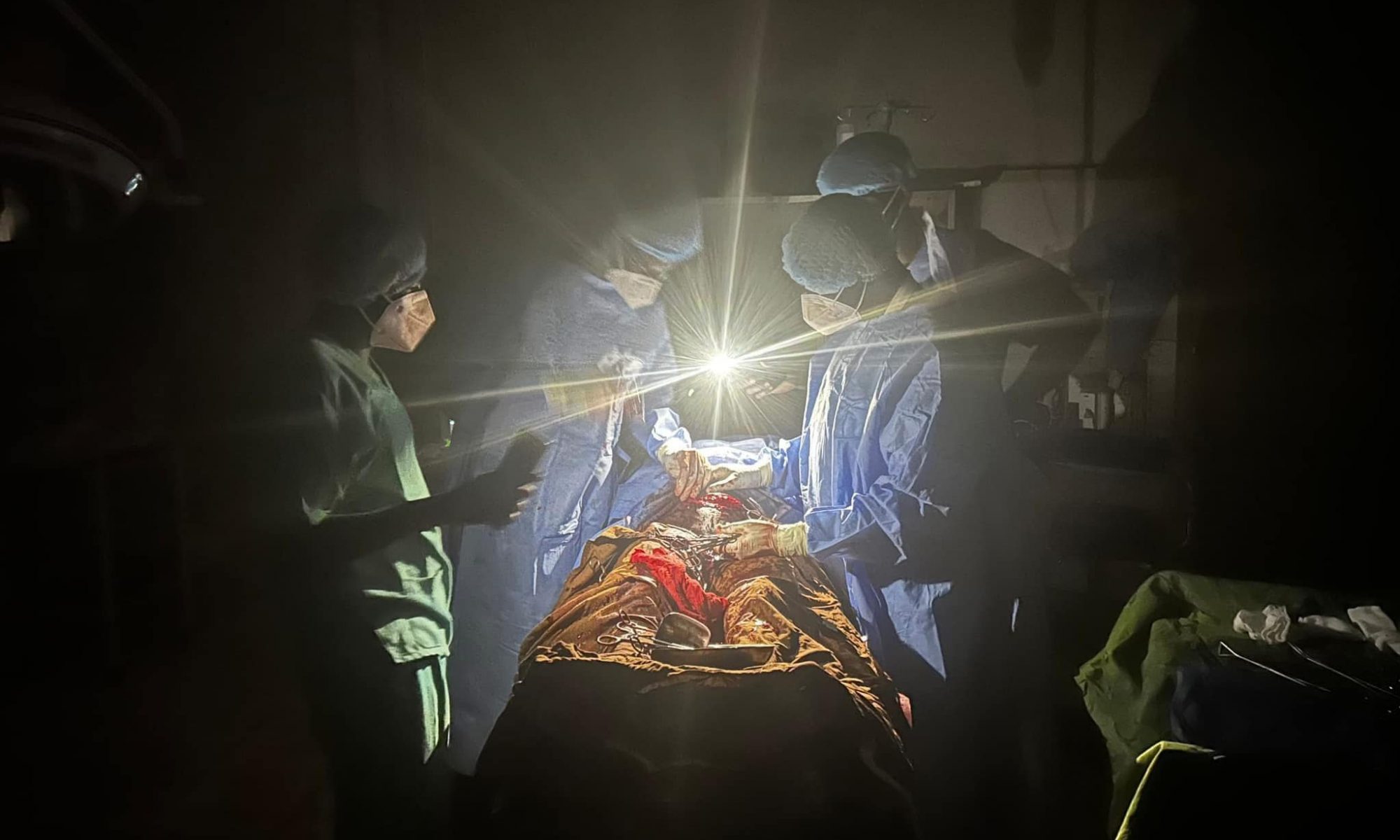

Alcohol consumption in Darfur, like in many parts of Sudan, is a complex issue intertwined with cultural, religious, and legal factors. Since 1983, Sudan has had strict laws prohibiting the manufacture, sale, and consumption of alcohol among its Muslim citizens. These laws reflect the country’s adherence to Islamic principles, which forbid the consumption of intoxicants.
In Darfur, a region with a diverse population that includes both Muslims and non-Muslims, the enforcement of these laws can vary. The region has been deeply affected by conflict, which has led to significant displacement and humanitarian crises. Amidst such turmoil, the availability and use of alcohol might not be a priority for law enforcement, and in some cases, it could be overlooked or managed informally within communities.
The Fur, one of the largest ethnic groups in Darfur, have a traditional drink called dukhn beer, made from millet. This beverage is part of their diet despite the Islamic prohibition of alcohol. It reflects the complexities of reconciling traditional practices with religious beliefs.
However, recent reports indicate that authorities in West Darfur have seized substantial quantities of imported and local liquor on the Sudanese-Chadian border, suggesting that there is some level of alcohol circulation in the region. This could be attributed to the porous borders and the challenges of governance in conflict-affected areas.
The consumption of alcohol in Darfur must be understood within the broader context of the region’s social fabric, the impact of ongoing conflict, and the intersection of local customs with national laws. While the official stance is clear, the realities on the ground may present a different picture, one that is shaped by the needs, traditions, and survival strategies of the people of Darfur.
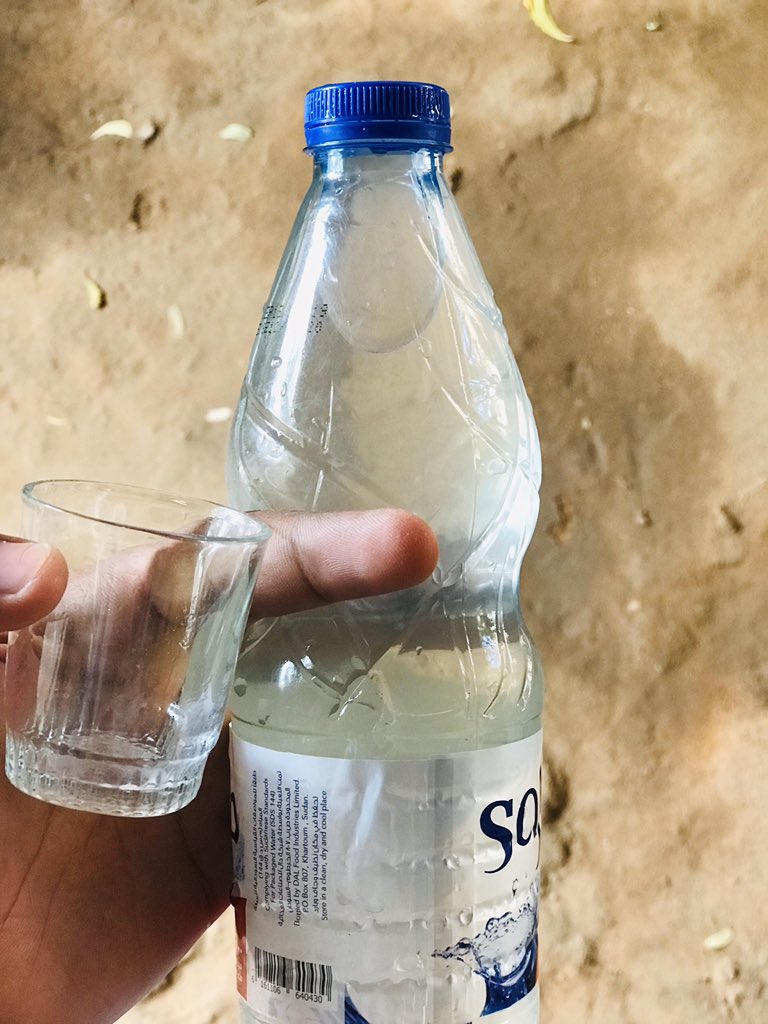
Historical and Socio-Political Context
Legacy of Conflict and Displacement
- Disruption of Social Structures: Years of conflict in Darfur have disrupted traditional governance and community structures. Displacement and the breakdown of formal systems often create an environment where unregulated activities—including the production and trade of alcohol—can take root. In times of protracted instability, some individuals may seek alcohol as a coping mechanism for stress, loss, and uncertainty.
- Illicit Economies: The collapse or fragmentation of state control has, in some cases, facilitated the emergence of illicit markets. Despite religious proscriptions, the informal economy may support small-scale production, smuggling, or home brewing, driven by both local demand and cross-border influences.
Cultural and Religious Influences
- Religious Norms: Sudan is predominantly Muslim, and Islamic law generally prohibits alcohol consumption. In Darfur, these norms hold considerable sway among many communities, leading to social stigmatization of alcohol use. However, in areas where traditional practices coexist with hardship and displacement, deviations from these norms can occur, often under the radar.
- Social Dynamics: Local cultures vary, and while public consumption is typically frowned upon, discreet use may persist. Some marginalized groups, including youth or individuals affected by conflict-related trauma, might view alcohol use as a form of escapism, even if it remains socially and legally restricted.
Patterns of Alcohol Production and Consumption
Production and Distribution Channels
- Illicit Production: In the absence of legal channels, alcohol in Darfur is commonly produced through informal means. Home brewing or small-scale distillation can occur in clandestine settings. This production is rarely standardized—quality control is minimal, and the risk of contamination or toxicity is high.
- Smuggling and Cross-Border Trade: Given Darfur’s proximity to regions with differing regulatory standards, alcohol may sometimes enter through informal cross-border trade. Smuggling networks can supply limited quantities of commercially produced alcohol, although this trade operates covertly due to legal and religious prohibitions.
Consumption Patterns
- Prevalence: Reliable data on alcohol consumption in Darfur are limited due to its illicit nature and cultural sensitivities. However, anecdotal evidence and studies from conflict settings indicate that consumption, while not widespread, tends to occur among specific subgroups—particularly among displaced populations, youth, and others facing socio-economic hardship.
- Modes of Use: Most consumption occurs away from public view. Alcohol may be consumed in private gatherings or within small social circles. The types of beverages typically vary from home-brewed spirits to smuggled commercial products, both of which carry heightened health risks because of uncertain purity and potential adulteration.
Socio-Economic and Cultural Influences
Economic Drivers and Impacts
- Livelihood Considerations: In an environment marked by economic hardship, any commodity that can generate income—even illicitly—can become attractive. For some vendors and entrepreneurs in fragmented economies, the clandestine sale of alcohol may represent an important, though risky, source of income.
- Financial Burden on Households: For consumers, spending on alcohol can divert scarce household resources away from essential needs. In marginalized communities, even low levels of expenditure on alcohol can contribute to economic strain, exacerbating poverty and limiting access to nutrition, education, and healthcare.
Cultural and Social Dynamics
- Coping Mechanism: In the context of ongoing conflict and displacement, alcohol may serve (albeit unofficially) as a coping mechanism for stress, trauma, and loss. This role may be particularly pronounced among youth or individuals facing chronic uncertainty.
- Stigmatization and Secrecy: Given the strong religious prohibitions, alcohol consumption in Darfur is often stigmatized. This leads users to conceal their activities, which in turn makes it challenging for public health initiatives to identify and support affected groups.
Consumption Patterns and Public Health Risks
Alcohol use in Darfur is minimal compared to global trends but carries unique risks:
- Gender Disparities: Male-dominated consumption aligns with broader Sudanese trends, where men account for 90% of alcohol users. Women face severe social stigma, limiting their participation.
- Health Impacts: Illicit brews often lack quality control, leading to contamination and poisoning. Combined with malnutrition and collapsed healthcare (70% of facilities non-functional), alcohol-related harm exacerbates existing public health crises.
- Mental Health: Prolonged conflict and displacement may drive alcohol use as a coping mechanism, though this remains understudied in Darfur’s context.
Health Impacts and Public Health Concerns
Direct Health Effects
- Acute Health Hazards: Consumption of illicitly produced or contaminated alcohol is associated with the risk of poisoning and acute intoxication. Inadequate quality control increases the likelihood of methanol contamination or other toxic adulterants, which can result in blindness, organ damage, or death.
- Chronic Health Conditions: Regular alcohol use is linked to long-term health issues, including liver diseases, cardiovascular problems, and neurological disorders. In an already strained health system, the rising incidence of alcohol-related morbidity puts an additional burden on limited medical resources.
Indirect Impacts on Society
- Mental Health: Alcohol misuse often compounds existing mental health issues. Among conflict-affected populations, the intersection of trauma and substance use disorders can lead to severe psychosocial problems, including depression and anxiety.
- Social and Behavioral Consequences: Alcohol consumption may contribute to increased domestic violence, accidents, and social disruption. With limited support structures in conflict zones, these outcomes undermine community resilience and impede recovery efforts.
Regulatory Environment and Challenges
Legal and Policy Framework
- Official Prohibition: National laws in Sudan generally prohibit alcohol, based on religious and cultural grounds. In Darfur, these rules are formally in place, although enforcement is inconsistent in regions marred by conflict.
- Challenges in Enforcement: Ongoing insecurity, the predominance of informal markets, and limited administrative capacity mean that regulations are difficult to implement. Law enforcement agencies often prioritize security issues related to broader conflict dynamics, leaving limited resources for controlling illicit alcohol activities.
Gaps and Opportunities for Intervention
- Data Limitations: The clandestine nature of alcohol production and consumption results in a paucity of reliable data. Without accurate surveillance, policymakers and public health officials face challenges when estimating prevalence or designing targeted interventions.
- Community Engagement Issues: Given the sensitive and stigmatized nature of alcohol use, communities may be reluctant to discuss these practices openly. This secrecy hampers efforts to develop informed, community-tailored approaches for harm reduction and health education.
Strategic Recommendations for Addressing Alcohol-Related Issues
Enhance Surveillance and Research
- Data Collection: Develop discreet and culturally sensitive mechanisms for gathering data on alcohol consumption patterns among vulnerable groups. Collaborating with local NGOs and academic institutions can help design surveys and qualitative studies that respect community confidentiality.
- Epidemiological Studies: Support research to quantify the health impacts of illicit alcohol use in Darfur. Such studies would inform policy and strengthen the case for targeted public health interventions.
Community-Based Outreach and Harm Reduction
- Health Education: Launch culturally adapted public health campaigns that inform communities about the dangers of consuming unregulated alcohol. Messaging should be designed to reduce stigma while promoting safer behaviors.
- Support Services: Implement community-led support groups and counseling services focused on addiction and mental health. Integrating these services with other humanitarian health initiatives may improve accessibility and acceptance.
Strengthen Regulatory and Enforcement Capacities
- Regional Coordination: Although formal regulation of alcohol may remain politically sensitive, enhancing regional cooperation among law enforcement, public health agencies, and community organizations can help disrupt illicit supply chains without targeting individuals unfairly.
- Alternative Livelihoods: Where local economies depend on the illicit trade of alcohol, development programs should offer alternative livelihood opportunities. Skills training, micro-financing, and agricultural support may help reduce economic dependency on the alcohol trade.
Integrate Alcohol Control with Broader Public Health Programs
- Holistic Approaches: Integrate alcohol-related interventions with broader mental health, substance abuse, and primary care services. By embedding these efforts in comprehensive community health strategies, stakeholders can address underlying causes and reduce overall health burdens.
- Engage Religious and Community Leaders: Involving respected local and religious figures in education and harm reduction programs can improve community dialogue around alcohol use while reinforcing culturally acceptable norms.
Alcohol in Darfur presents a multifaceted challenge that intertwines public health, socio-economic, cultural, and regulatory dimensions. While the overall prevalence may be lower compared to other regions due to strong religious prohibitions, illicit production and consumption patterns persist—often exacerbated by conflict, displacement, and economic hardship. The resulting health impacts, ranging from acute poisoning to chronic diseases and social disruption, compound the obstacles faced by an already fragile post-conflict environment. Addressing these issues requires a sensitive, multi-pronged approach that includes improved data collection, community-based harm reduction initiatives, targeted public health outreach, and alternative livelihood programs—all coordinated within the broader framework of Darfur’s development and stabilization efforts.