

Population health considers the health outcomes of a group of individuals—including the distribution of such outcomes within the group—and the various social, economic, environmental, and behavioral determinants that influence these outcomes. In Darfur, decades of conflict, displacement, and underinvestment in social services have created a challenging landscape for achieving healthy living at the population level. This report outlines the current state of population health in the region, highlights key contributing factors, and suggests strategic interventions to strengthen overall wellbeing.
Historical Context and the Impact of Conflict
Legacy of Protracted Conflict
- Infrastructure Destruction: Prolonged violence and political instability have led to the destruction of health facilities, disruption of educational services, and the collapse of local governance structures. These factors have long-lasting repercussions on public health.
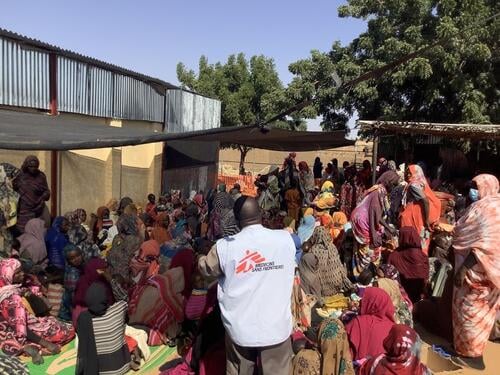
- Displacement and Social Disruption: Repeated waves of displacement have fractured communities and disrupted traditional support networks. Internally displaced persons (IDPs) often live in overcrowded camps, where exposure to communicable diseases, malnutrition, and poor sanitation further exacerbate health outcomes.
Humanitarian Responses and Their Gaps
- Emergency Interventions: In the wake of crises, humanitarian organizations have implemented emergency health and nutrition programs. However, these are typically short-term solutions that do not address long-term determinants of health.
- Fragmented Service Delivery: The absence of a stable government-led health system results in fragmented coverage, hindering the development of coordinated, sustainable population health strategies.
Demographics and Social Determinants of Health
Population Characteristics
- Diverse and Dynamic Populations: Darfur’s population comprises various ethnic groups with distinct cultural practices. Ongoing displacement has led to rapid demographic shifts that strain local resources.
- Vulnerable Groups: Women, children, the elderly, and individuals with disabilities are especially vulnerable due to limited access to health services, economic hardship, and the direct impacts of conflict.
Social Determinants
- Poverty and Economic Instability: Widespread poverty hampers access to nutrition, education, housing, and health services—critical determinants of long-term health outcomes.
- Water, Sanitation, and Hygiene (WASH): Inadequate access to clean water and proper sanitation facilities contributes to a higher incidence of waterborne diseases and malnutrition.
- Education and Health Literacy: Limited literacy and health education reduce community capacity to engage with modern health practices, impacting everything from immunization uptake to the management of chronic diseases.
- Environmental Stressors: Arid conditions, drought, and soil degradation further complicate nutritional status and food security—factors deeply intertwined with overall population health.
Epidemiological Profile
Communicable Diseases
- Infectious Epidemics: High rates of vaccine-preventable diseases (such as measles) and recurring outbreaks of waterborne infections (e.g., cholera, diarrhea) are common due to disrupted immunization and limited WASH infrastructure.
- Vector-Borne Diseases: Even in an arid environment, outbreaks of diseases such as malaria occur during seasonal rains, placing additional public health burdens on communities.
Noncommunicable Diseases and Mental Health
- Emerging Chronic Disease Burden: Although infectious diseases dominate, there is a growing prevalence of noncommunicable diseases (NCDs) such as diabetes and hypertension, partly driven by lifestyle changes and stress.
- Mental Health: The psychological toll of protracted conflict, displacement, and social disruption has contributed to widespread mental health issues. Community-based trauma and stress disorders remain underdiagnosed and undertreated.
Nutritional Challenges
- Under-Nutrition and Micronutrient Deficiencies: Food insecurity, compounded by environmental hardships and disrupted agricultural practices, leads to high rates of malnutrition, particularly among children and pregnant women.
- Overlapping Risks: Malnutrition not only contributes directly to morbidity and mortality but also exacerbates susceptibility to infectious diseases—creating a vicious cycle that undermines overall population health.
Structural and Policy Challenges
Fragmented Health Systems and Limited Capacity
- Decentralized and Underfunded Structures: Weak regulatory frameworks and limited government capacity result in a patchwork of services. Often, international agencies are the primary care providers, leading to uneven geographic and demographic coverage.
- Human Resource Shortages: Continual migration, professional burnout, and inadequate training programs have led to shortages of skilled health workers, compromising service quality.
Inadequate Data and Surveillance
- Limited Health Monitoring: The absence of robust public health surveillance systems hinders data-driven decision making. Accurate, timely data on disease incidence, nutritional deficits, and other health indicators are often scarce or fragmented.
- Barriers to Research: Conflict, insecurity, and lack of infrastructure contribute to a gap in recurring epidemiological assessments—impeding the capacity to measure progress or effectively intervene.
Current Initiatives and Collaborative Responses
Emergency and Crisis Interventions
- Humanitarian Aid: Numerous international organizations have implemented emergency health programs, focusing on vaccination campaigns, nutritional support, and disease outbreak control. These interventions have been instrumental in saving lives during acute crises.
- Integrated Approaches: Some initiatives have combined health interventions with improved WASH, food security, and education programs, aiming for a more holistic impact on community health.
Community-Based and Local Approaches
- Empowering Local Health Committees: In many areas, community-led health committees have been established to facilitate local engagement in health promotion, education, and service delivery.
- Outreach and Mobile Clinics: Mobile health units help reach remote and insecure areas, providing essential services while also gathering local health data.
Multi-Sectoral Collaborations
- Partnerships Between Governments, NGOs, and International Agencies: These collaborations help pool resources, share expertise, and develop synchronized strategies aimed at improving overall population health outcomes in Darfur.
Strategic Recommendations
Strengthen Health Infrastructure
- Rebuild and Modernize Facilities: Prioritize the rehabilitation of health centers and the establishment of essential community clinics with integrated services.
- Improve Supply Chains and Cold Chain Capabilities: Ensure consistent access to quality medicines and vaccines by investing in transportation and reliable storage solutions.
Enhance Human Resource Capacity
- Develop Training Programs: Invest in comprehensive education and capacity-building initiatives for local health professionals, community health workers, and support staff.
- Retention and Incentive Structures: Develop policies and incentives to retain skilled personnel in the region, ensuring continuity in healthcare service delivery.
Expand Data Collection and Surveillance Systems
- Implement Digital Reporting Tools: Leverage mobile technology and digital platforms to facilitate real-time reporting of health indicators, enabling faster and more informed public health responses.
- Collaborative Research Initiatives: Engage with academic and international partners to conduct regular epidemiological studies and build a reliable database on population health outcomes.
Strengthen Multisectoral Action
- Integrate Health with Socio-Economic Interventions: Recognize the interdependence of health, education, food security, and economic development by creating integrated programs that address these key determinants.
- Enhance Community Engagement: Empower local communities to actively participate in decision making, planning, and monitoring of health programs, ensuring that interventions are culturally relevant and sustainable.
Improving population health in Darfur is an enormous challenge, intertwined with conflict, massive displacements, poverty, and structural weaknesses. However, through coordinated efforts that rebuild health infrastructure, enhance human resource capacity, and implement robust data systems, it is possible to shift from a reliance on crisis interventions to a more sustainable public health model. By integrating health programs with broader socio-economic development and empowering communities to participate in their own wellbeing, Darfur can take significant strides toward improved health outcomes, stability, and long-term resilience.