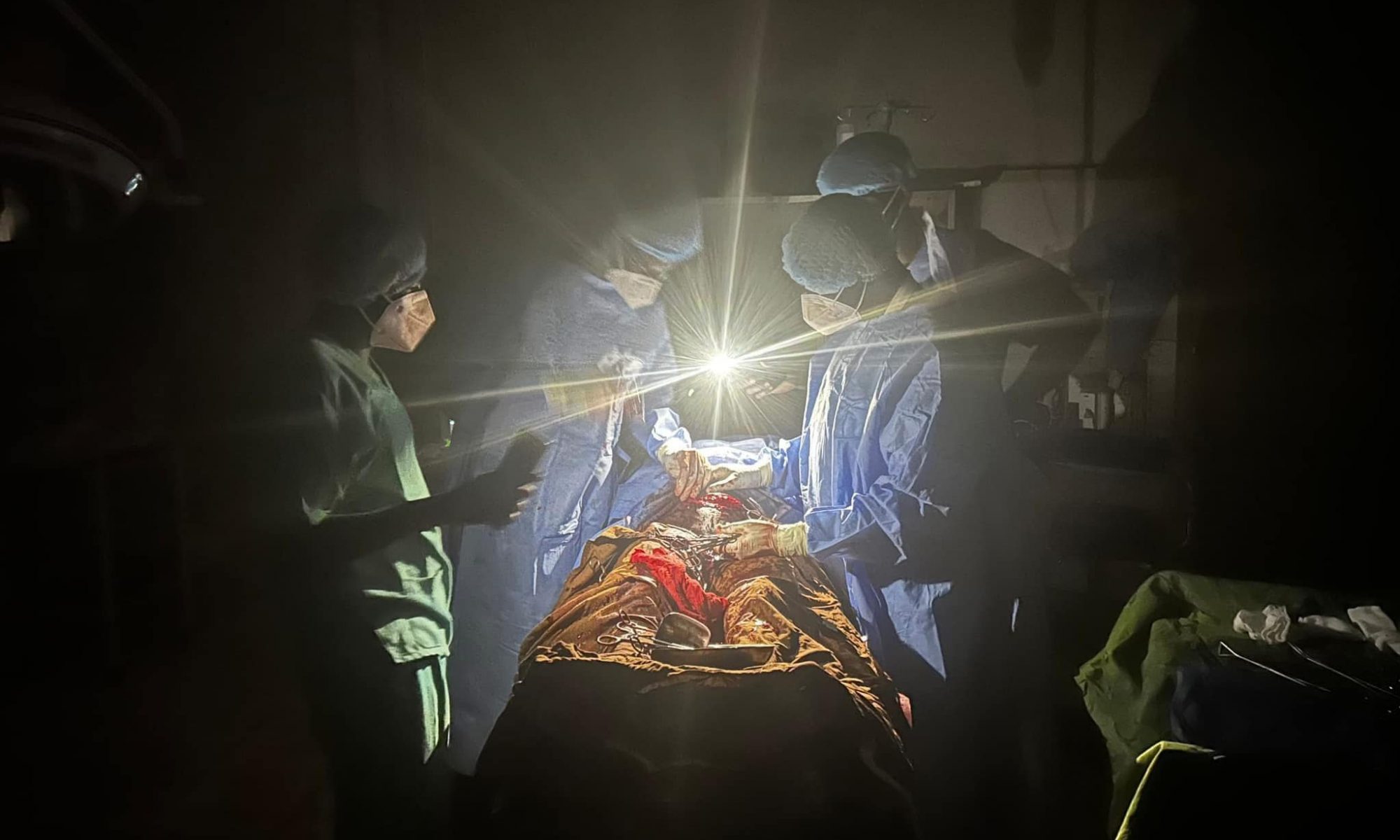

Veterinary services play a critical role in Darfur—not only in maintaining the health and productivity of livestock but also in preventing zoonotic diseases, which can have far-reaching public health implications. In a region where livestock are central to economic stability and community livelihoods, effective veterinary care is essential. This report provides an in-depth analysis of the present state of veterinary services in Darfur, the challenges they face, and recommendations for a more resilient, integrated, and sustainable system.
Background and Context
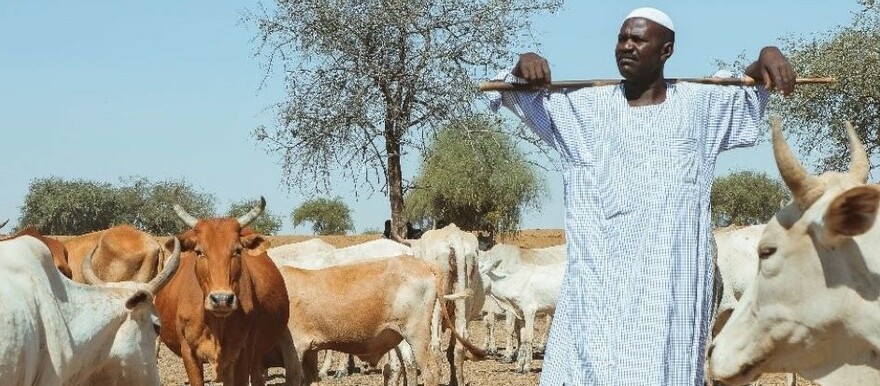
Darfur, located in western Sudan, is predominantly inhabited by communities that rely on pastoralism and agro-pastoral practices. For generations, livestock such as cattle, sheep, goats, and camels have sustained local economies, provided nutritional security, and represented cultural heritage. However, the longstanding conflict, displacement, and resource scarcity have severely constrained the infrastructure and human capacity needed to deliver high-quality veterinary care. In this challenging environment, veterinary services are not solely about animal treatment—they are a crucial node in the network of public health, linking animal wellness directly with human health outcomes.
Scope of Veterinary Services
Veterinary services in Darfur are designed to address both routine animal health needs and emergency disease outbreaks. The key aspects include:
- Preventive Health Care:
- Vaccination programs against diseases such as Rift Valley Fever, Foot and Mouth Disease, and Contagious Bovine Pleuropneumonia.
- Routine deworming and biosecurity measures to reduce the incidence of infections.
- Diagnostic and Treatment Services:
- Basic diagnostics utilizing clinical examinations where modern laboratory tests are scarce.
- Therapeutic treatments for common infections and injuries among livestock.
- Extension and Outreach Activities:
- Mobile veterinary clinics that travel to remote pastoral communities.
- Community education initiatives on animal husbandry, hygiene, and early disease recognition.
- Emergency Response and Disease Surveillance:
- Rapid response strategies during outbreaks, including coordinated efforts with local public health agencies.
- Establishment of rudimentary surveillance systems to track and manage zoonotic disease risks.
Current State of Veterinary Services in Darfur
In Darfur, the provision of veterinary services is hindered by several interrelated factors:
- Infrastructure Limitations: Many veterinary clinics operate with outdated equipment and basic facilities. Inadequate diagnostic tools and a dearth of reliable transportation further complicate service delivery, especially in remote and conflict-affected areas.
- Human Resource Constraints: The region suffers from a shortage of qualified veterinary professionals. Educational opportunities are limited, and many trained veterinarians migrate to more stable regions, leaving a significant gap in local capacity.
- Financial and Resource Shortfalls: Chronic underfunding means that veterinary services often depend on emergency donor funding and sporadic external support. This lack of sustainable financing undermines the effectiveness and continuity of services.
- Integration with Public Health: There is insufficient coordination between animal health services and human healthcare systems, which is critical for managing zoonotic diseases that pose significant public risks.
Challenges Facing Veterinary Services
Veterinary services in Darfur encounter several substantial challenges:
- Limited Infrastructure: Outdated facilities without modern diagnostic or treatment equipment impede effective animal care.
- Inadequate Workforce Development: The shortage of trained veterinary personnel—exacerbated by a lack of local education programs—puts immense pressure on the few available professionals.
- Funding and Sustainability Issues: Reliance on external donations and emergency interventions creates a cycle of short-term fixes rather than enduring solutions.
- Logistical and Geographic Barriers: Remoteness, poor road networks, and unstable security conditions restrict the regular movement of veterinary teams and timely delivery of supplies.
- Data and Surveillance Deficits: The absence of comprehensive disease surveillance and data collection limits the ability to predict, identify, and control outbreaks effectively.
Initiatives and Partnerships
Despite these challenges, several initiatives—often in collaboration with international organizations and non-governmental bodies—are working to bolster veterinary services in Darfur:
- Mobile Veterinary Clinics: These outreach units deliver essential services such as vaccinations, treatments, and educational sessions directly to remote and underserved pastoral communities.
- Training and Capacity Building: Workshops, training seminars, and exchange programs aimed at local veterinary practitioners are slowly enhancing the region’s human capacity. Efforts by international partners help disseminate modern practices and protocols adapted to local needs.
- Integrated One Health Approaches: Recognizing the intrinsic link between animal and human health, some programs are adopting One Health strategies that promote collaborative disease surveillance and joint emergency responses to zoonotic threats.
- Community Engagement Programs: Education initiatives focusing on improved livestock management, hygiene, and disease prevention are empowering local communities to participate actively in maintaining animal and public health.
A summary overview of key initiatives is provided in the table below:
| Initiative/Aspect | Description | Impact |
|---|---|---|
| Mobile Veterinary Clinics | Outreach services in remote areas delivering vaccinations and treatments | Improved access to essential veterinary care |
| Training & Capacity Building | Workshops and exchange programs to train local veterinary personnel | Enhanced local response and professional expertise |
| Disease Surveillance Networks | Integrated systems for monitoring zoonotic diseases | Faster outbreak detection and coordinated responses |
| Community Engagement Programs | Educational campaigns on best practices in animal husbandry | Reduced disease transmission and improved animal health |
Recommendations
To build a more effective and sustainable veterinary service network in Darfur, the following measures are recommended:
- Infrastructure Investment:
- Upgrade existing veterinary clinics with modern diagnostic and treatment equipment.
- Establish strategically located, purpose-built veterinary centers that serve high-need areas.
- Enhance Human Resources:
- Develop local veterinary education and training programs to build a robust pipeline of skilled professionals.
- Create incentives for trained personnel to remain in the region through competitive remuneration and career development initiatives.
- Strengthen Data and Surveillance Systems:
- Invest in establishing comprehensive disease surveillance networks that integrate with public health systems.
- Improve data collection and sharing mechanisms to facilitate evidence-based policy-making and rapid response during outbreaks.
- Foster Collaborative Partnerships:
- Increase public-private partnerships and international collaborations to secure sustainable funding and technical expertise.
- Promote integrated One Health initiatives that emphasize the interdependence of animal, human, and environmental health.
- Community Empowerment and Education:
- Scale up community-based programs that educate livestock keepers on disease prevention, biosecurity, and proper animal husbandry practices.
- Involve community leaders in designing and implementing veterinary interventions, thus ensuring cultural relevance and local ownership.
Veterinary services in Darfur are a vital component of the region’s broader efforts to safeguard public health and ensure food security. Although the sector faces significant challenges due to resource limitations, inadequate infrastructure, and workforce deficits, there are promising initiatives and collaborative approaches that offer a path forward. By investing in infrastructure, enhancing training and data systems, and fostering integrated One Health practices, Darfur can build a resilient veterinary service framework that not only protects animal health but also contributes to overall community well-being and stability.