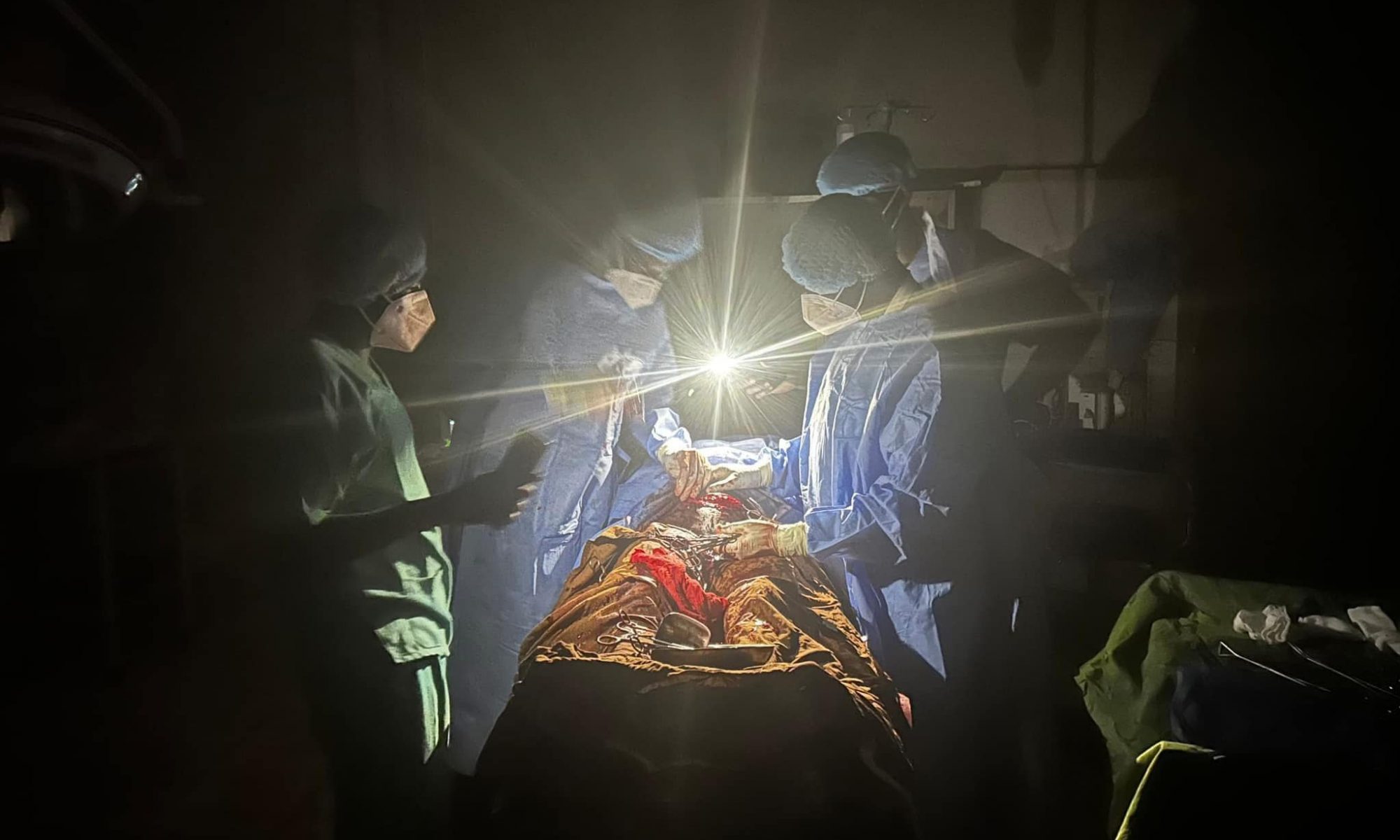

Rural health in Darfur is an intricate topic defined by decades of conflict, displacement, and chronic underinvestment. Rural communities in this vast region often face significant barriers to accessing quality healthcare due to weak infrastructure, economic hardship, and persistent insecurity. As such, strengthening rural health services is not only essential for improving immediate clinical outcomes but also for building resilient systems that can support long-term development and stability across the region.
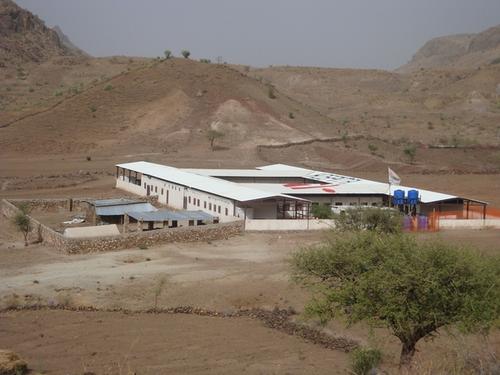
Historical Context and Socioeconomic Background
Historically, Darfur has been defined by its expansive rural terrain and sparse population clusters. For many years, limited government investment and sporadic external support meant that health services were largely provided through informal or community-based arrangements. However, the escalation of conflict in the early 2000s led to widespread displacement, the destruction of preexisting facilities, and a deepening of socioeconomic disparities within rural areas. These events disrupted traditional healthcare delivery and left many communities reliant on ad hoc health services, often administered by local volunteers or temporary humanitarian agencies.
Infrastructure and Accessibility
Geographic Challenges
- Remote Locations: Many rural settlements in Darfur are located far from urban centers, making physical access to health facilities difficult. Poor road networks and long distances compound the problem, so that even when a clinic exists, patients often face lengthy journeys under unsafe conditions.
- Disrupted Transportation: Ongoing security issues and damaged infrastructure further limit the availability of reliable transportation. This affects everything from the timely delivery of emergency care to the regular supply of medicines and consumables.
Facility Limitations
- Underdeveloped Clinics: Many rural healthcare facilities are basic primary care centers that struggle with inadequate buildings, unreliable power, and insufficient water or sanitation facilities. These shortcomings hinder the ability to deliver critical services such as maternal care, vaccination programs, and routine disease screening.
- Dependency on Mobile Outreach: In response, many organizations rely on mobile clinics to traverse the challenging terrain. While mobile units help extend reach, their intermittent presence often leaves gaps in consistent care provision.
Healthcare Delivery Systems in Rural Areas
Primary Health Centers and Community Clinics
- Local Service Providers: Primary health centers in rural Darfur are the first point of contact for many residents. These centers provide essential services—ranging from basic consultations and early disease detection to immunizations and preventive care.
- Community Health Workers: On the ground, community health workers (CHWs) play a vital role. They bridge service gaps by offering health education, conducting home visits, and serving as liaisons between rural communities and formal medical systems. Their local trust and cultural competence are invaluable in settings where formal services are sporadic.
Mobile Clinics and NGO Interventions
- Humanitarian Outreach: International and local NGOs have often stepped in with mobile clinics and targeted outreach projects. These interventions deliver emergency care during disease outbreaks or as part of disaster responses, but they are often limited in duration and coverage.
- Temporary Health Posts: In areas where permanent facilities are absent, temporary health posts offer episodic care. While these posts help meet immediate medical needs, they lack the continuity required for long-term health improvement.
Human Resources and Capacity Building
Workforce Shortages
- Limited Trained Personnel: Rural areas face a significant shortage of skilled healthcare professionals. The exodus of trained workers—due in part to security concerns and low remuneration—has left many rural facilities understaffed.
- Reliance on Volunteer Work: In many cases, a heavy reliance on community volunteers and minimally trained workers is common. Although these volunteers are dedicated, the lack of formal training and support can limit the quality and scope of care offered.
Training and Continuous Education
- Professional Development Gap: Opportunities for ongoing training and certification are sparse in rural settings, creating a persistent gap in up-to-date clinical skills and modern practices.
- Remote Learning Initiatives: Leveraging mobile technology and telemedicine for remote training could partly remedy these shortages, by linking rural health workers to urban centers and international expertise.
Health Outcomes and Disease Burdens
Maternal and Child Health
- High Vulnerability: Maternal and child health remains a critical challenge in rural Darfur. Limited access to skilled birth attendants, emergency obstetric care, and prenatal services contribute to high rates of maternal and infant mortality.
Infectious and Chronic Diseases
- Infectious Diseases: Outbreaks of malaria, cholera, and other communicable diseases are common, driven by factors such as poor sanitation, crowded living conditions in displacement camps, and inadequate vaccination coverage.
- Chronic Conditions: The rising burden of non-communicable diseases (NCDs) such as diabetes and hypertension also poses challenges, compounded by limited diagnostic capabilities at remote clinics.
Nutritional Challenges
- Food Insecurity and Malnutrition: Climate variability and economic instability have led to high levels of malnutrition, especially among children and pregnant women. This nutritional deficit further exacerbates vulnerability to disease and hampers overall community health.
Challenges and Limitations
Infrastructural Gaps
- Resource Scarcity: Chronic underinvestment in rural infrastructure hinders the development and maintenance of health facilities. The scarcity of essential medical equipment and reliable power supplies is a persistent issue.
Funding and Sustainability
- Dependence on Donor Support: While donor and NGO interventions have been crucial, they tend to be intermittent and externally driven. There is a pressing need for sustainable, locally managed funding models that focus on long-term health system strengthening.
- Economic Hardship: Widespread poverty in rural areas limits the ability of residents to afford even basic healthcare services, burdening the overall financing of rural health systems.
Security and Political Instability
- Ongoing Conflict: The regional insecurity, including intermittent clashes and political instability, directly affects health service delivery. Health facilities are often at risk, and both patients and providers face daily security challenges.
Policy Recommendations and Future Directions
Strengthening Infrastructure
- Investment in Rural Facilities: Allocate resources to upgrade existing clinics and establish resilient health posts that can withstand the twin pressures of conflict and environmental extremes.
- Improved Transportation Networks: Enhance rural road systems and establish reliable transportation for both patients and supply delivery. This could involve partnerships with local governments and international donors.
Human Resource Development
- Targeted Training Programs: Create training hubs that focus on rural health, emphasizing skills in emergency care, maternal health, and disease prevention. Leveraging telemedicine and e-learning platforms can help bridge the education gap.
- Retention Incentives: Introduce incentive programs (e.g., hazard pay, housing, career advancement) to retain health workers in rural areas.
Sustainable Financing Models
- Community-Based Health Initiatives: Develop microinsurance and community financing schemes that pool resources at the local level. This can reduce the burden of out-of-pocket payments and improve access to routine and emergency care.
- Public-Private Partnerships: Foster partnerships between government bodies, NGOs, and the private sector to share the burden of investment and ensure long-term sustainability.
Enhancing Service Delivery
- Mobile and Outreach Programs: Expand mobile health units to offer regular services in hard-to-reach areas. These programs should be integrated with permanent facilities to ensure continuity of care.
- Integrated Health Information Systems: Develop data collection and surveillance systems to monitor health trends, adapt strategies, and allocate resources more effectively across rural areas.
Rural health in Darfur presents a complex challenge shaped by prolonged conflict, economic hardship, and infrastructural deficits. Despite these significant hurdles, critical opportunities exist to enhance service delivery through infrastructure investment, human resource development, and innovative financing models. By reinforcing local capacity and forging partnerships among government, community, and international stakeholders, rural health systems can be rebuilt to foster improved health outcomes and long-term resilience.