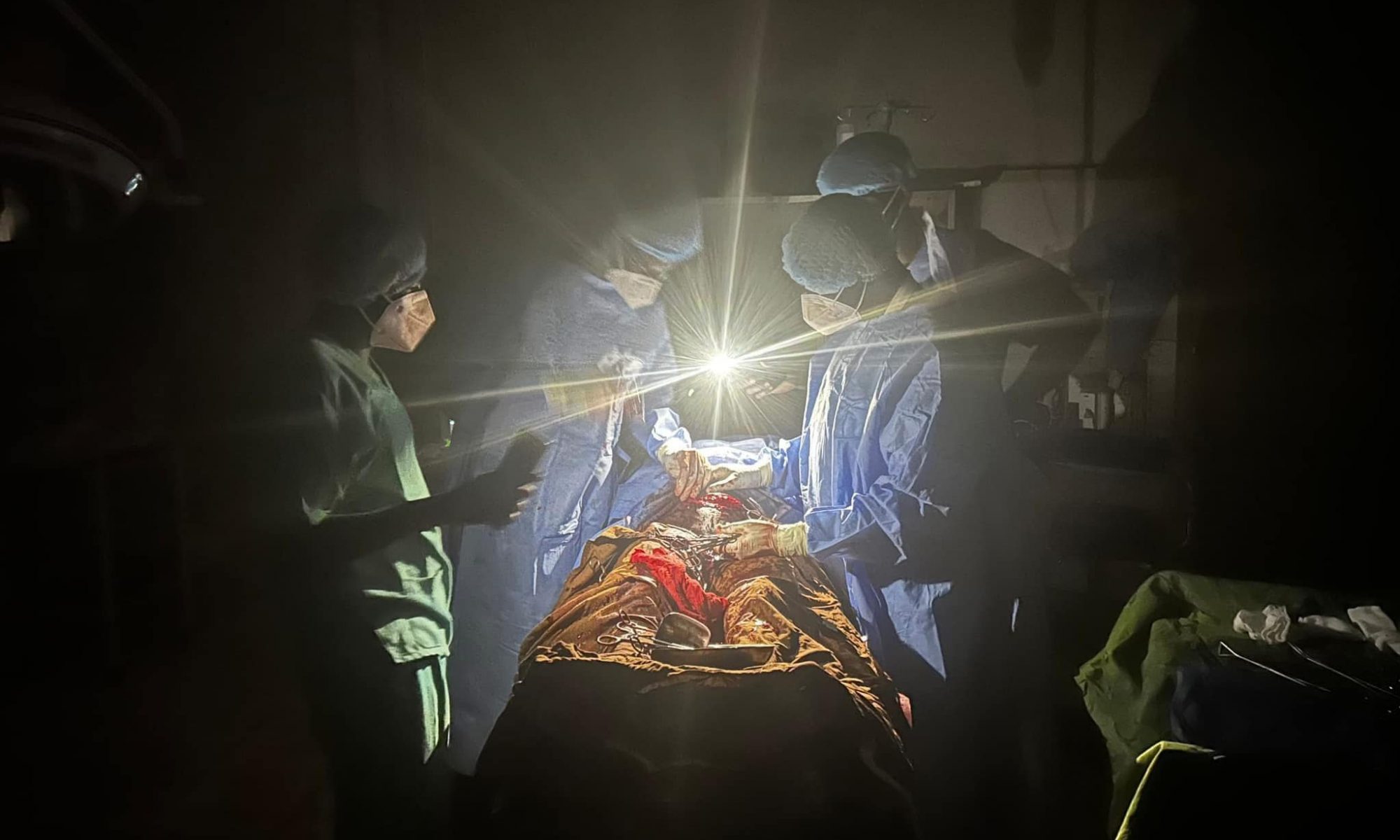

In Darfur, livestock represents much more than a source of income—it is central to culture, food security, and economic resilience. For pastoral and agro-pastoral communities, healthy animals are indispensable. However, decades of conflict, displacement, and weakened veterinary infrastructure have created an environment where animal diseases can spread unchecked. These diseases not only severely impact animal health but also threaten household livelihoods and the overall stability of rural economies.
Historical Context
Traditional Husbandry and Indigenous Knowledge
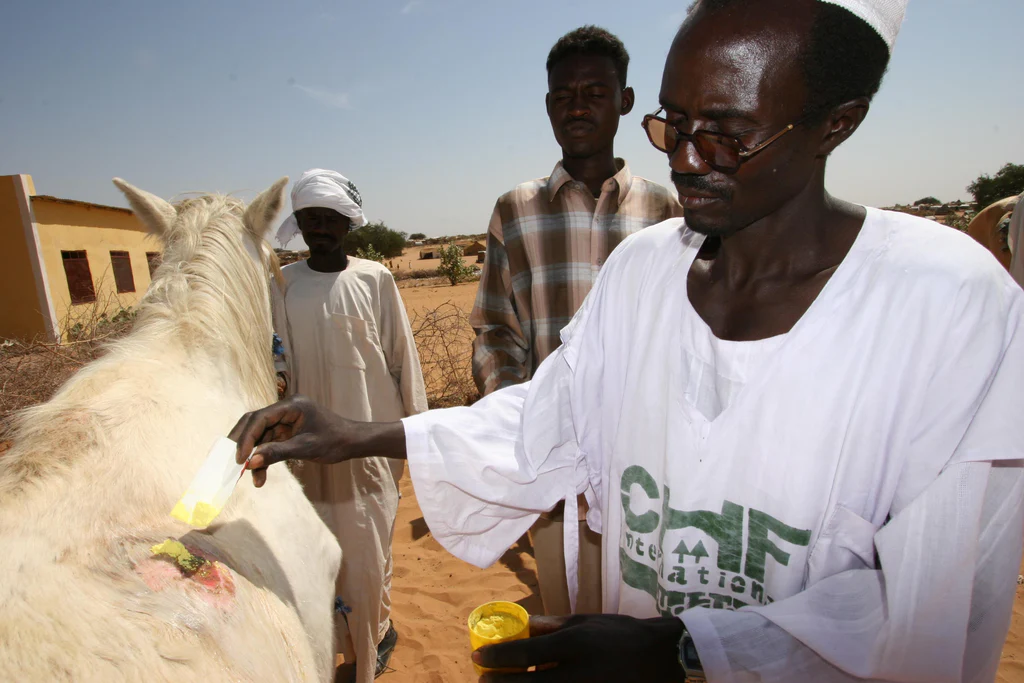
Before the escalation of conflict, much of Darfur’s livestock management relied on traditional husbandry techniques and indigenous knowledge. Pastoralists developed local remedies and husbandry practices passed down orally through generations. These practices were adaptive and based on a deep understanding of the local environment.
Impact of Conflict on Animal Health
Since the early 2000s, sustained conflict and mass displacement have significantly disrupted established veterinary and animal husbandry systems. The breakdown of governmental services, combined with the destruction of infrastructure, led to:
- A loss of veterinary oversight: Traditional systems of care and local expertise were undermined by constant instability.
- Increased migration of livestock: As herders moved with their animals to safer areas or across borders, uncontrolled animal movements facilitated the spread of diseases.
- Limited access to vaccinations and treatment: The interruption in regular veterinary services has left many animals vulnerable to outbreaks.
Overview of Major Animal Diseases
In Darfur, several infectious diseases continue to affect livestock populations. Some of the most significant include:
Foot and Mouth Disease (FMD)
- Overview: A highly contagious viral disease affecting cloven-hoofed animals such as cattle, sheep, and goats.
- Impact: FMD leads to significant productivity losses due to reduced milk yield, weight loss, and trade restrictions imposed during outbreaks.
Peste des Petits Ruminants (PPR)
- Overview: Also known as goat plague, PPR primarily affects sheep and goats. It is characterized by high fever, oral lesions, and severe respiratory distress.
- Impact: PPR can decimate flocks, severely affecting the economic stability of households dependent on small ruminants.
Contagious Bovine Pleuropneumonia (CBPP)
- Overview: A bacterial respiratory disease affecting cattle that causes severe pneumonia.
- Impact: CBPP leads to high mortality and chronic production losses, undermining the economic viability of cattle farming.
Trypanosomiasis (Nagana)
- Overview: Transmitted by tsetse flies, trypanosomiasis affects cattle and other livestock, causing chronic wasting, anemia, and often death.
- Impact: The disease reduces working capacity and productivity, further challenging the management of livestock resources.
Other Diseases
- Anthrax: Concerned primarily with sudden deaths in herbivores, anthrax remains a threat where animal vaccination and biosecurity measures are inadequate.
- Brucellosis: A bacterial infection that can lead to reproductive issues in livestock and poses zoonotic risks, interfering with both animal productivity and human health.
Factors Contributing to the Spread of Animal Diseases
Multiple factors have contributed to the high prevalence of animal diseases in Darfur:
Disrupted Veterinary Infrastructure
Years of chronic underinvestment and repeated disruption due to conflict have left veterinary clinics, laboratories, and supply chains in a fragile state. This has resulted in limited diagnostic capacity, poor disease surveillance, and insufficient vaccination coverage.
Uncontrolled Livestock Movement
Persistent insecurity forces herders to move their animals frequently. Such movements, often across borders or between different ecological zones, facilitate the transmission of contagious diseases across previously isolated populations.
Environmental and Climatic Factors
Darfur’s arid conditions, periodic droughts, and the resultant nutritional stress on animals can weaken immune responses, making livestock more susceptible to infections. Inadequate water resources also contribute to unsanitary living conditions for animals.
Lack of Biosecurity and Preventive Measures
Poor implementation of biosecurity protocols and the absence of organized vaccination campaigns mean that animals are often exposed to pathogens without the protective buffer that preventive medicine would provide.
Impacts on Livelihoods and Food Security
Animal diseases in Darfur have far-reaching consequences:
- Economic Losses: Livestock deaths and reduced productivity directly reduce income for pastoral households. Losses in animal trade further exacerbate economic challenges.
- Food Insecurity: Livestock contribute significantly to dietary protein intake (through milk, meat, and other animal products). Disease outbreaks lower the availability of these essential nutritional resources.
- Social and Cultural Impact: Livestock are deeply embedded in cultural traditions and social status. The loss of animals can undermine social cohesion and exacerbate tension in vulnerable communities.
Current Veterinary Interventions and Challenges
Government and NGO Efforts
- Emergency Vaccination Campaigns: Interventions by NGOs have led to periodic vaccination drives against diseases like FMD and PPR, though their reach remains limited.
- Mobile Veterinary Units: Some international agencies deploy mobile teams to offer emergency diagnostics and treatment in remote areas. These efforts help mitigate outbreaks but are often sporadic and unsustainable in the long term.
Operational Challenges
- Logistical Barriers: Inadequate transportation infrastructure and cold chain deficiencies (critical for vaccine storage) undermine the effectiveness of vaccination campaigns.
- Shortage of Trained Personnel: The scarcity of qualified veterinarians and animal health workers hampers surveillance, timely diagnosis, and effective treatment.
- Resource Constraints: Limited financial resources and inconsistent donor funding make robust, long-term veterinary health programs difficult to sustain.
Policy Recommendations and Strategic Directions
Strengthen Veterinary Infrastructure
- Invest in Rural Clinics: Allocate funds to establish resilient veterinary facilities with proper storage, diagnostic capabilities, and reliable power sources.
- Enhance Cold Chain Management: Develop regional storage hubs and secure reliable transportation networks to ensure that vaccines and medicines reach remote areas effectively.
Build Human Resource Capacity
- Training and Capacity Building: Implement targeted training programs for community animal health workers and veterinarians. Partnerships with universities and international agencies can foster the development of standardized curricula and continuous education.
- Retention and Incentives: Introduce incentive schemes, such as competitive salaries and safe working environments, to retain veterinary professionals in the region.
Improve Disease Surveillance and Rapid Response
- Develop Early Warning Systems: Use mobile technology and community-based monitoring to detect disease outbreaks early. Real-time reporting and data sharing can facilitate prompt intervention.
- Integrate a One Health Approach: Foster coordination between veterinary, human health, and environmental sectors to address zoonotic risks and implement comprehensive disease control strategies.
Enhance Community Engagement and Awareness
- Education Programs: Launch community awareness campaigns to educate herders on disease prevention, biosecurity practices, and the importance of vaccination.
- Participatory Monitoring: Involve local communities in the planning and execution of veterinary health programs to ensure cultural appropriateness and long-term buy-in.
Animal diseases in Darfur continue to impose severe economic, nutritional, and social challenges on communities that depend heavily on livestock. The compounded effects of conflict, environmental stress, and underdeveloped veterinary infrastructure have created a precarious situation for animal health. Reinforcing veterinary services through targeted infrastructure investments, enhanced human resource development, robust surveillance systems, and community engagement is critical. By taking a coordinated and sustainable approach, stakeholders can reduce disease burdens, safeguard livelihoods, and contribute to the broader resilience of Darfur’s rural communities.