

Private health services in Darfur serve as a critical complement to public and humanitarian health initiatives. In a context marked by prolonged conflict, displacement, and fragile public infrastructure, private health providers—including clinics, diagnostic centers, and specialized practices—often cater to populations that are able or willing to pay for services. Their role extends from offering routine consultations and chronic disease management to providing urgent care and diagnostic services. This report outlines the evolution of private health services in Darfur, assesses present-day operational realities, and suggests pathways to enhance their contribution to overall healthcare outcomes.
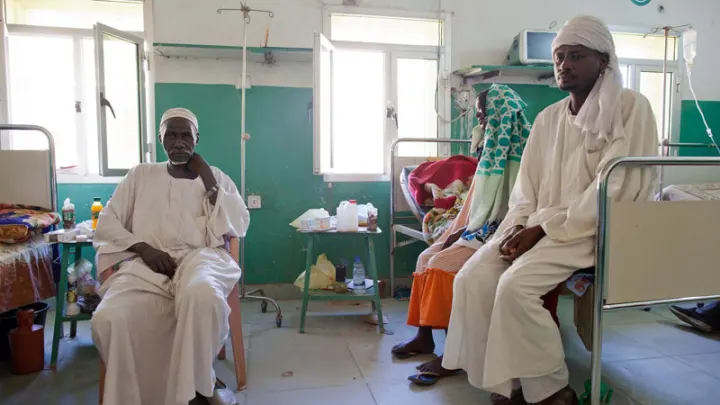
Historical and Socioeconomic Context
Pre-Conflict and Early Development
In earlier, more stable periods, private health services in Darfur were modest and mostly limited to small urban centers. Even then, a combination of limited government funding and decentralized administration encouraged entrepreneurial initiatives—often driven by experienced practitioners—to open private clinics. However, these efforts were made within a context of limited regulatory oversight and constrained financing.
Impact of Conflict and Displacement
The conflict that escalated in the early 2000s significantly disrupted all forms of health service delivery. Many public facilities were damaged or taken over by humanitarian agencies, creating a gap that private providers attempted to fill, especially in urban areas such as Nyala and El Fasher. However, the ongoing instability and economic strain increased the cost of operations and limited patient access. As a result, private health services in Darfur have evolved into a dual-edged sword: they offer higher-quality and sometimes faster care for those who can afford it, but their reach remains limited among the most vulnerable.
Structure and Types of Private Health Services
Private Clinics and Hospitals
- Urban-Based Clinics: In cities like Nyala, El Fasher, and other regional hubs, private clinics offer outpatient care, general medicine, and preventive services. Some clinics have extended their portfolios to include specialist consultations in areas such as gynecology, pediatrics, and internal medicine.
- Private Hospitals: A small number of private hospitals operate in Darfur, often concentrating on emergency services, surgery, and inpatient care. These facilities are generally better equipped than many public hospitals, though they require significant capital investment and ongoing maintenance—a challenge in an unstable economic environment.
Diagnostic and Ancillary Services
- Medical Laboratories and Imaging Centers: Private diagnostic centers in urban areas provide essential services such as laboratory testing, X-rays, and ultrasound imaging. These centers serve patients referred from both private clinics and public hospitals, offering faster turnaround times in some cases.
- Pharmacies: While many community pharmacies are technically part of the private sector, their role in supplying medications complements clinical care. Some operate as standalone entities, and others are integrated with clinics to ensure continuity of care.
Specialized and Niche Services
- Dental and Vision Clinics: Specialty providers have emerged to address unmet needs in dentistry and ophthalmology. Despite a limited consumer base, these niche practices are often staffed by practitioners with training abroad or from urban centers.
- Mental Health and Rehabilitation: In response to the psychological toll of prolonged conflict, a handful of private practitioners and small centers provide mental health counseling and rehabilitation services. Although these services are limited in scope, they represent a growing recognition of the importance of comprehensive care.
Service Delivery and Quality
Quality of Services
Private health facilities in Darfur often tout higher standards of clinical care, better equipment, and more favorable patient-to-staff ratios. These providers frequently invest in quality assurance measures and continuous professional development in order to build trust among patients who can select their care options. Yet, the advantages of private health services are not uniform:
- Modern Practices: Some clinics utilize modern diagnostic tools and maintain cleaner environments than many under-funded public facilities.
- Variability in Quality: Due to limited regulatory enforcement, however, there is significant variation in the quality of private services. Some providers maintain excellent standards, while others operate under suboptimal conditions.
Financial Aspects and Access
- Cost Barriers: Private health services tend to be more expensive due to higher operational costs, scarce local resources, and the need to ensure profitability in an uncertain economic environment. As a result, only a segment of the population—mostly those in urban areas and with some disposable income—can consistently access these services.
- Insurance and Out-of-Pocket Payments: The absence of a robust health insurance system in Darfur means that private services are primarily funded by direct, out-of-pocket payments. This limits access for low-income individuals and highlights the need for innovative financing models that could incorporate microinsurance or community-based risk pooling.
Challenges Facing the Private Health Sector
Economic and Infrastructural Constraints
- Capital and Investment: Operating high-quality private health facilities requires sustained capital investment for equipment, facility maintenance, and staff training. In Darfur, economic instability and scarce financial resources restrict the expansion of private services.
- Supply Chain Disruptions: Similar to other sectors in the region, private health providers confront significant challenges with supply chains. The irregular availability of medications, equipment parts, and other consumables can disrupt service delivery and erode patient confidence.
Regulatory and Governance Issues
- Fragmented Oversight: The regulatory framework for private health services in Darfur is often weak or inconsistently enforced. This gap can lead to quality disparities and limits the capacity to standardize practices across the sector.
- Lack of Accreditation: Without a clear and enforced accreditation system, it is difficult for patients and even providers to ascertain which facilities meet internationally recognized standards of care.
Staffing and Capacity Building
- Human Resources Challenges: Skilled healthcare professionals in the private sector are in short supply. Many practitioners migrate to areas with better opportunities, resulting in a talent drain that affects service quality.
- Limited Continuing Education: Ongoing professional training and capacity-building programs are minimal, which hampers the ability of private facilities to adopt new technologies and evidence-based practices.
Policy Recommendations and Strategic Directions
Enhancing Regulatory Frameworks
- Strengthen Accreditation and Licensing: Establishing a clear accreditation system for private health facilities will help standardize care, boost patient confidence, and foster a competitive environment that rewards quality.
- Improved Oversight: Government and local authorities should work with international partners to enhance the regulatory oversight of private providers. Periodic audits, quality checks, and transparent reporting mechanisms can help ensure that private services adhere to minimum standards.
Financial and Economic Support
- Facilitate Access to Capital: Innovative financing mechanisms, including low-interest loans, public-private partnerships, and donor-supported ventures, can assist private providers in modernizing facilities and expanding services.
- Promote Health Insurance Initiatives: Encouraging the development of affordable health insurance or microinsurance schemes will help spread the financial risk and make private health services more accessible to a broader segment of the population.
Investing in Human Resources
- Capacity Building Programs: Investment in training, continuing education, and international exchange programs is essential for ensuring that private health providers remain current with global standards. Partnerships with international health organizations and academic institutions can help bridge the educational gap.
- Retention Strategies: Incentives such as competitive compensation, safe working conditions, and career growth opportunities are necessary to retain trained professionals in the region’s private sector.
Infrastructure and Supply Chain Improvements
- Strengthen the Supply Chain: Collaborative efforts with international donors and local logistics firms can enhance the reliability of medical supply chains, ensuring that private providers have access to essential medications and equipment.
- Invest in Modern Infrastructure: Upgrading clinic facilities, investing in reliable power sources (such as solar energy), and building resilient transportation networks will help private health services operate more consistently even amid external disruptions.
Private health services in Darfur occupy a complex yet vital niche within the region’s healthcare ecosystem. While they offer higher quality and sometimes more responsive care for patients who can afford them, these services remain hampered by economic constraints, infrastructural challenges, regulatory voids, and a scarcity of trained personnel. Strengthening the regulatory framework, improving access to capital, encouraging innovative financing models, and investing in human resources and infrastructure are all essential for nurturing a robust private health sector. Enhanced private health services not only improve clinical outcomes for those they serve but also contribute to the overall resilience of the healthcare system in Darfur.