

Sudan’s health policy plays a central role in shaping the well-being of its 45+ million citizens. As a country that has experienced periods of rapid transition—from colonial rule to independent statehood, through prolonged conflicts, economic downturns, and recent political changes—Sudan’s health system is both complex and evolving. Effective health policy is critical not only for addressing immediate healthcare needs but also for promoting sustainable development, reducing inequities, and ensuring that health services reach both urban and rural populations. This report explores the historical context, current strategic frameworks, and key challenges within Sudan’s health policy landscape and outlines strategic recommendations for future improvements.
In Darfur—a region marked by protracted conflict, humanitarian crises, and infrastructural challenges—the development and implementation of coherent health policies is critical. Such policies not only determine the capacity to address immediate health needs but also influence long-term recovery and stability. This report explores how health policies in Darfur have evolved, identifies the factors shaping them today, and offers policy recommendations to build a more integrated and sustainable health system.
Historical Context
Colonial Legacy and Post-Independence Developments
- Colonial Foundations: Under Anglo-Egyptian rule, early health initiatives were primarily focused on controlling epidemic diseases, establishing rudimentary health infrastructures, and training local health workers. However, these systems were unevenly developed and heavily concentrated in urban centers.
- Post-Independence Evolution: Since gaining independence in 1956, Sudan has worked to build a national health system. Initial policies emphasized expanding basic health services and reducing the burden of infectious diseases. Yet, subsequent political instability and conflicts—especially those affecting regions like Darfur and South Sudan—have hindered consistent policy implementation and equitable resource distribution.
Pre-Conflict Policy Environment
Historically, Darfur’s healthcare system was characterized by:
- Limited Government Involvement: Before widespread conflict, health services in Darfur were generally under-resourced with minimal centralized planning. Traditional community practices and informal networks provided basic care, while formal public health policies were largely reserved for urban centers.
- Reliance on Traditional Medicine: Health policy, in its nascent form, incorporated indigenous healing methods alongside rudimentary sanitation and nutrition programs. These early approaches acknowledged the importance of preventive care even if they lacked formal structure.
Impact of Conflict on Health Governance
Since the early 2000s, conflicts have severely undermined the development of robust health policies in Darfur:
- Institutional Disruption: Ongoing violence and mass displacement disrupted existing health frameworks. Health facilities were damaged or destroyed, and governance structures were weakened.
- Fragmented Interventions: The absence of a stable central authority led to ad hoc policies implemented by humanitarian organizations, external donors, and local community groups. These interventions, while critical in emergencies, have also contributed to a fragmented policy environment with patchy coverage and temporary measures.
Current Health Policy Landscape
National Health Policy Objectives
The contemporary health policy in Sudan is guided by several core objectives:
- Universal Health Coverage (UHC): Working toward ensuring that all citizens have access to essential health services without financial hardship.
- Strengthening Primary Health Care (PHC): Emphasizing community-based services to improve preventive care, maternal and child health, and early disease detection.
- Disease Prevention and Control: Prioritizing responses to both communicable diseases (e.g., malaria, tuberculosis, HIV/AIDS) and non-communicable diseases (e.g., diabetes, cardiovascular diseases).
- Health System Resilience: Building strong infrastructures, enhancing workforce capacity, and integrating health information systems to create a responsive and sustainable health system.
- Equity and Access: Reducing disparities between urban and rural areas and addressing the healthcare needs of marginalized populations.
Institutional Framework and Governance
- Ministry of Health (MoH): The MoH is the primary governmental body responsible for the development and implementation of health policies. It coordinates with regional health authorities to adapt national strategies to local contexts.
- Regional and Local Health Authorities: These bodies implement national guidelines while also addressing region-specific challenges. Their effectiveness, however, varies considerably due to political, economic, and logistical factors.
- Partnerships: Sudan’s health policies are also influenced by international organizations (e.g., World Health Organization, UNICEF), donor agencies, and NGOs that provide technical and financial support, especially where governmental capacity is limited.
Government Initiatives and Policy Frameworks in Darfur
- National Health Policies: As part of Sudan, Darfur is nominally included within national health policies. However, implementation in Darfur often lags due to regional instability, limited infrastructure, and security concerns. Funding and resource allocation are frequently skewed toward more stable urban areas.
- Decentralized Health Strategies: In response to the region’s unique challenges, there have been attempts to develop decentralized approaches that empower local authorities and community-based organizations. These policies aim to improve responsiveness and tailor services to local needs.
Role of International and Humanitarian Actors
- NGO and Donor-Driven Policies: With governmental capacity constrained, international agencies and humanitarian organizations have played pivotal roles in shaping health policies in Darfur. These entities often introduce temporary programs focusing on emergency care, vaccination campaigns, fertility and maternal health, and disease surveillance.
- Integrated Emergency and Post-Conflict Policies: A number of donor-supported initiatives have aimed to integrate immediate emergency responses with long-term capacity building. Such frameworks have sought to bridge the gap between urgent relief and sustainable development, although continuity remains a challenge.
Community-Based Approaches
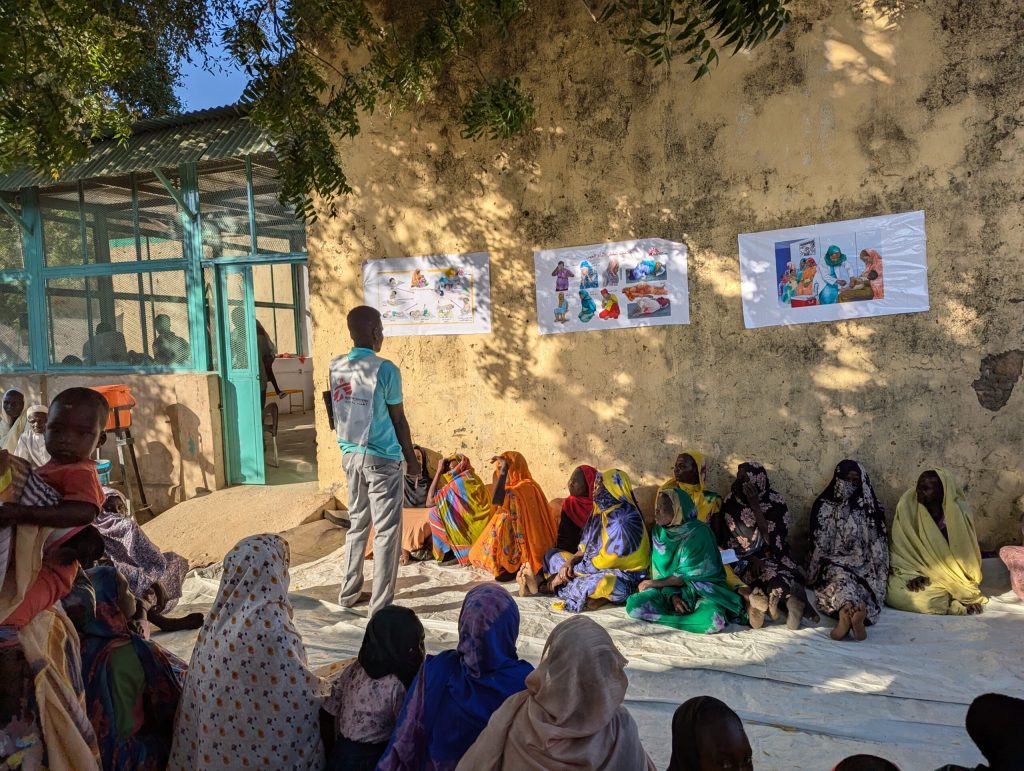
- Local Engagement and Traditional Leadership: Recognizing cultural and geographic nuances, some policies emphasize community participation. Health promoters, local committees, and traditional leaders are engaged in designing and implementing education campaigns, sanitation initiatives, and basic health services.
- Innovative Outreach Models: Mobile clinics, telemedicine projects, and community health worker programs have been piloted as components of localized health policies, aiming to overcome barriers of distance and insecurity.
Strategic National Priorities and Policy Initiatives
Expanding Access to Primary Care
- Infrastructure Development: Investment is being made in building and rehabilitating clinics, hospitals, and mobile health units to enhance rural outreach.
- Community Health Programs: Training community health workers (CHWs) and integrating traditional medicine with formal health services to address cultural expectations and improve preventive care.
Improving Maternal and Child Health
- Maternal Health Services: Efforts focus on increasing access to skilled birth attendance, emergency obstetric care, and postnatal follow-up, which are critical in reducing high maternal and infant mortality rates.
- Child Nutrition and Immunization: National strategies target malnutrition and vaccine-preventable diseases by strengthening the supply chain of essential medicines and launching community awareness programs.
Combating Infectious Diseases
- Disease Surveillance and Response: Enhancing surveillance systems for early detection of outbreaks of malaria, tuberculosis, HIV/AIDS, and cholera.
- Public Health Campaigns: Promoting vaccination, sanitation, and health education initiatives to reduce the burden of communicable diseases.
Addressing Non-Communicable Diseases (NCDs)
- Prevention and Management: Developing guidelines for screening and management, promoting lifestyle modifications, and expanding treatment services to manage the rising tide of NCDs.
Leveraging Health Information Technology
- Digital Health Initiatives: Implementing health information systems for data collection, monitoring, and strategic decision-making is a priority. Telemedicine and e-health platforms are being piloted to improve access in remote areas.
Core Components of Health Policies in Darfur
Effective health policies in the region should encompass several key domains:
- Access to Healthcare: Policies must address geographical disparities by enhancing infrastructure (roads, clinics, mobile units) and ensuring that vulnerable populations in remote areas are reached.
- Financing and Resource Allocation: With widespread poverty and economic instability, innovative financing—such as community-based health insurance schemes, donor partnerships, and targeted subsidies—can reduce out-of-pocket expenses and improve the affordability of care.
- Preventive Measures and Public Health: Emphasis on vaccination, disease surveillance, sanitation, and health education is critical. Preventive policies can help minimize the spread of infectious diseases and lay the groundwork for long-term health improvements.
- Human Resource Development: Strengthening training and retention of healthcare professionals, including medical, nursing, and community health workers, is fundamental. Policy frameworks should include incentives, continuous education programs, and capacity building initiatives.
- Governance and Coordination: Integrated governance models that promote coordination among government bodies, NGOs, and local communities are essential. Transparent data collection, policy monitoring, and accountability mechanisms can enhance policy effectiveness.
- Emergency Preparedness and Resilience: Given Darfur’s history of instability, policies need to incorporate robust emergency response strategies that provide both immediate care during crises and long-term resilience through infrastructure investment and strong supply chains.
Challenges to Health Policy Implementation
Insecurity and Political Instability
- Volatile Security Environment: Frequent conflicts and unpredictable security threats hinder the establishment and consistent enforcement of health policies.
- Fragmented Authority: The lack of a stable and centralized governance structure results in overlapping responsibilities and inconsistent policy application.
Resource Limitations
- Funding Scarcity: Chronic underinvestment and competing demands for scarce resources mean that even well-designed policies may falter during implementation.
- Infrastructure Deficits: Weak infrastructure—such as inadequate health facilities, limited power supply, and poor transportation networks—undermines the operationalization of policy aims.
Human Capital Constraints
- Shortage of Skilled Personnel: Brain drain and limited educational opportunities compound the challenges of developing a robust health workforce capable of executing policy directives.
- Limited Training and Incentives: Without ongoing professional development and competitive incentives, retaining healthcare professionals in Darfur remains a critical obstacle.
Coordination and Communication Gaps
- Fragmented Interventions: Disjointed efforts among various actors—government agencies, international donors, and non-governmental organizations—often lead to duplication of efforts and inefficiencies.
- Data and Monitoring Issues: Inadequate systems for data collection and policy monitoring hinder evidence-based decision-making, making it difficult to assess impact and adjust strategies in a timely manner.
Policy Recommendations and Strategic Directions
Enhance Governance and Coordination
- Establish Centralized Health Coordination Bodies: Create regional health councils that include representatives from government, NGOs, traditional leaders, and community health workers. These bodies can facilitate data sharing, standardize policies, and prioritize resource allocation.
- Implement Transparent Monitoring Mechanisms: Develop robust systems for tracking performance indicators, regular audits, and community feedback to ensure accountability and continuous improvement.
Improve Resource Mobilization and Allocation
- Innovate Financing Models: Explore public–private partnerships, community-based insurance schemes, and donor-funded initiatives. Ensuring a stable financing model will improve the sustainability of health programs.
- Invest in Infrastructure: Prioritize the construction and rehabilitation of health facilities and the development of reliable transportation and power networks. Such investments are critical to both day-to-day operations and emergency responses.
Strengthen Human Resource Capacity
- Expand Training and Incentives: Launch continuous professional development programs for health workers. Offer competitive salaries, benefits, and career advancement opportunities to reduce brain drain.
- Leverage Digital Tools: Integrate e-learning and telemedicine solutions to enhance training and facilitate remote mentoring, especially in hard-to-reach areas.
Bolster Preventive and Emergency Care
- Prioritize Preventive Health Campaigns: Scale up vaccination drives, sanitation projects, and health education campaigns through community outreach and mass media.
- Develop Integrated Emergency Response Plans: Strengthen the coordination between emergency services and routine health care systems. Create contingency plans that include early warning systems, mobile clinics, and crisis management protocols.
Foster Community Engagement
- Empower Local Leaders: Involve traditional and community leaders in the design and implementation of health policies to ensure cultural sensitivity and greater acceptance.
- Support Grassroots Initiatives: Encourage and fund community health projects that address local needs, enhancing the overall resilience of the population.
Health policies in Darfur have been shaped by a complex interplay of historical neglect, ongoing conflict, and external humanitarian influences. While the region faces formidable challenges—ranging from insecurity and resource scarcities to human capital deficits—there are also substantial opportunities for positive change. By adopting a coordinated, community-based approach that integrates preventive care, infrastructure investment, and human resource development, stakeholders can work toward building a more resilient and equitable health system. Robust policy frameworks, enhanced by transparent governance and innovative financing, are essential to transforming the health landscape in Darfur and paving the way for long-term stability and recovery.