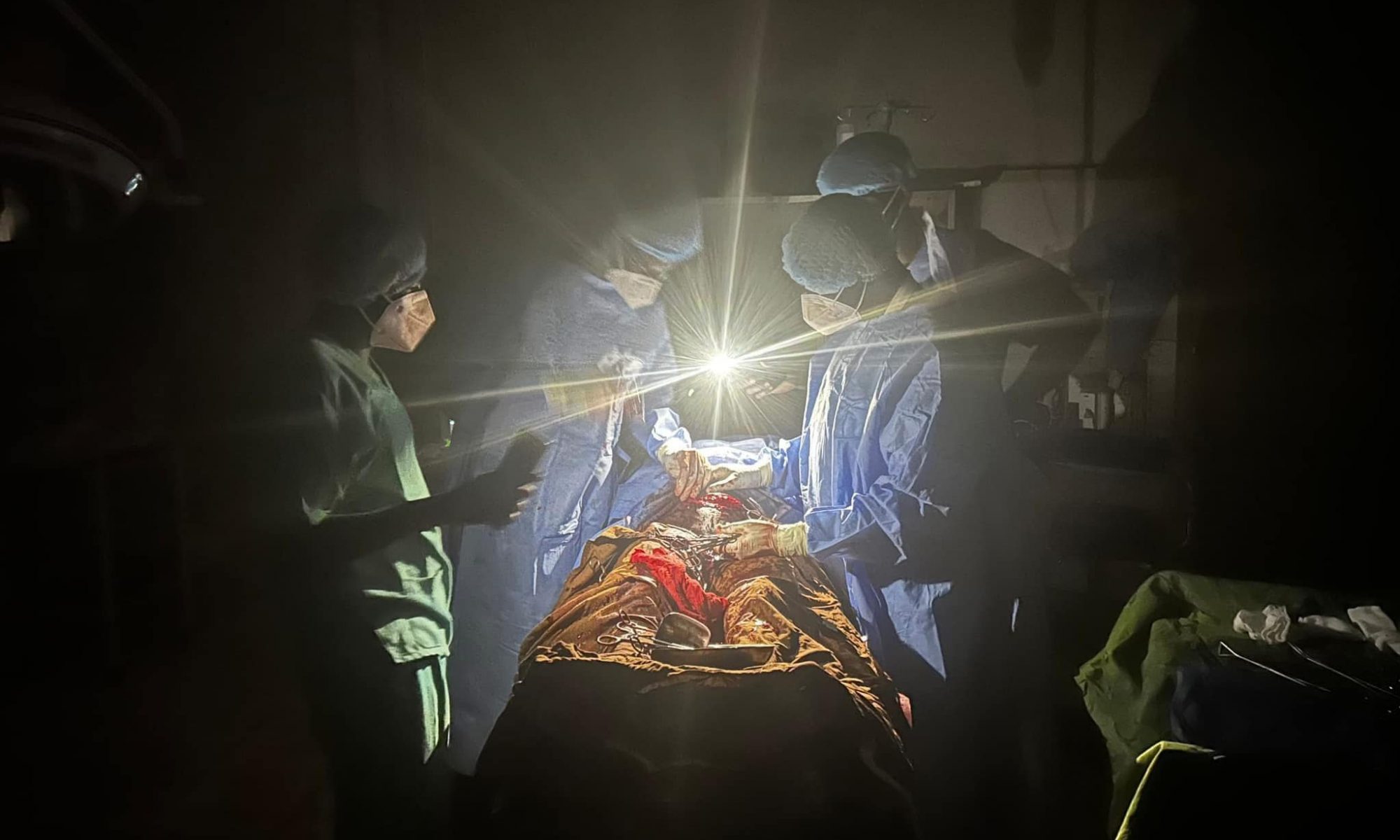

Drugs—both illicit and, in some cases, potentially medicinal—present complex challenges and opportunities in Darfur. In a region scarred by decades of conflict, mass displacement, and economic hardship, the production and trade of drugs have evolved in informal, often unregulated ways. While many local communities face social and health hardships that sometimes drive consumption, the illicit drug trade also plays a role in financing conflict and undermining public governance. This report examines key elements such as drug production (including local “Bango” cultivation), consumption patterns, major narcotics in circulation, trade networks, humanitarian and conflict implications, challenges and opportunities (notably regarding medicinal marijuana), and finally, recommendations for mitigation.
Historical Context and Overview
Legacy of Conflict and Informal Economies
- Disruption and Insecurity: Prolonged conflict in Darfur has dismantled formal economic structures and weakened state institutions. With disrupted health services and limited livelihood opportunities, informal markets have flourished—including those for drugs.
- Adaptation and Survival: In this unstable environment, local communities and armed groups have sometimes tapped into the drug trade as a source of revenue and coping mechanism. The illicit drug economy has emerged as one facet of survival, even as it exacerbates social and health challenges.
Evolving Market Dynamics
- Informal Trade and Weak Regulation: With limited governmental oversight and pervasive insecurity, illicit drug production and trade occur in clandestine networks. This lack of regulation gives rise to variable product quality and widespread smuggling, complicating any public health or law enforcement efforts.
List of Key Narcotics in Darfur
The following narcotics have been reported as prevalent in Darfur, based on available data from humanitarian reports and local accounts. These substances are linked to rising health risks and social instability, particularly among displaced youth and conflict-affected communities
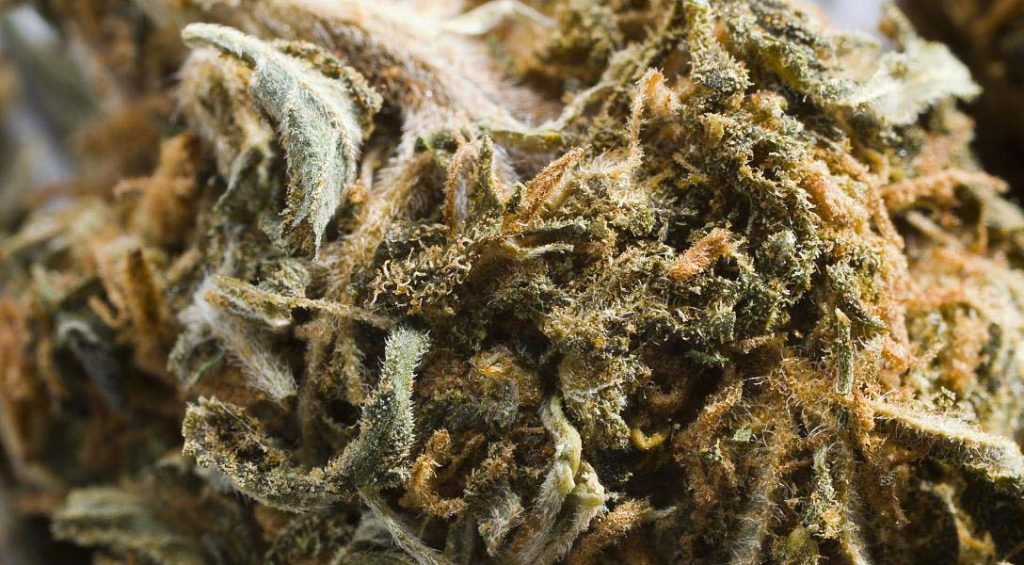
Cannabis (Bango)
- Description: A plant-derived narcotic, commonly used in its dried form.
- Usage: Smoked or consumed in edibles.
- Health Risks: Long-term use correlates with mental health disorders, respiratory issues, and impaired cognitive function.
- Distribution: Widespread among militia groups and regular forces.

Pharmaceutical Misuse
- Description: Prescription drugs, including sedatives and painkillers, diverted for illicit use.
- Examples: Benzodiazepines (e.g., Valium) and opioids.
- Health Risks: Overdose, addiction, and withdrawal symptoms.
- Distribution: Leaked through pharmacies and informal markets, often facilitated by corrupt networks
Drug Production in Darfur: Bango Cultivation
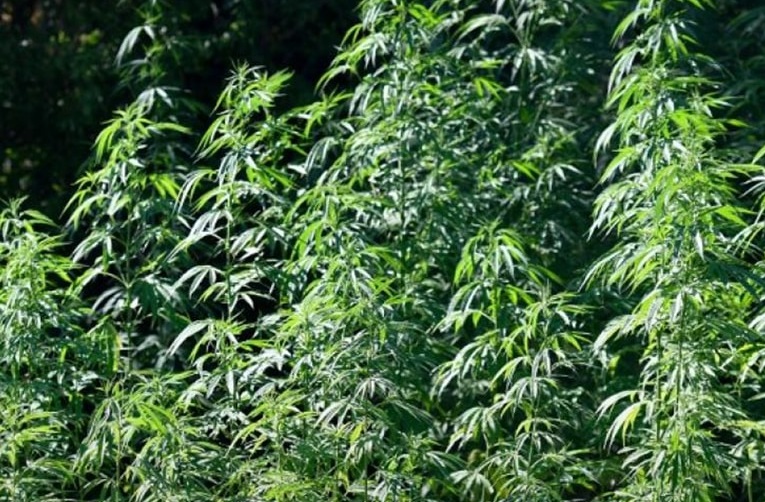
Cannabis (Cannabis sativa), locally known as Bango or Hashish, is deeply entrenched in Darfur’s socioeconomic and political landscape. As Sudan’s largest cannabis-producing region, Darfur has become a hub for illicit cultivation and trafficking, fueling both local economies and regional instability. This report synthesizes historical context, production dynamics, health impacts, and governance challenges tied to cannabis in Darfur.
Historical Context
- Precolonial Roots: Cannabis arrived in eastern Africa over 1,000 years ago from South Asia but smoking it—a practice invented in Africa—became widespread in sub-Saharan regions. Darfur’s cannabis use historically aligned with labor practices, such as stimulating porters and laborers.
- Colonial Prohibition: Sudan banned cannabis in 1924 under Anglo-Egyptian rule, criminalizing a crop that had long been part of local livelihoods
Current Production and Economic Significance
- Darfur, particularly El Radoom locality in South Darfur, is the epicenter of cannabis farming in Africa. In 2015, Sudan’s cannabis trade exceeded $7 billion, with Darfur contributing the bulk of production.
- A 2016 security campaign in El Radoom destroyed 6,500 acres of cannabis farms and seized 50 tons of drugs, underscoring the crop’s prevalence.
Cash Crop Dynamics:
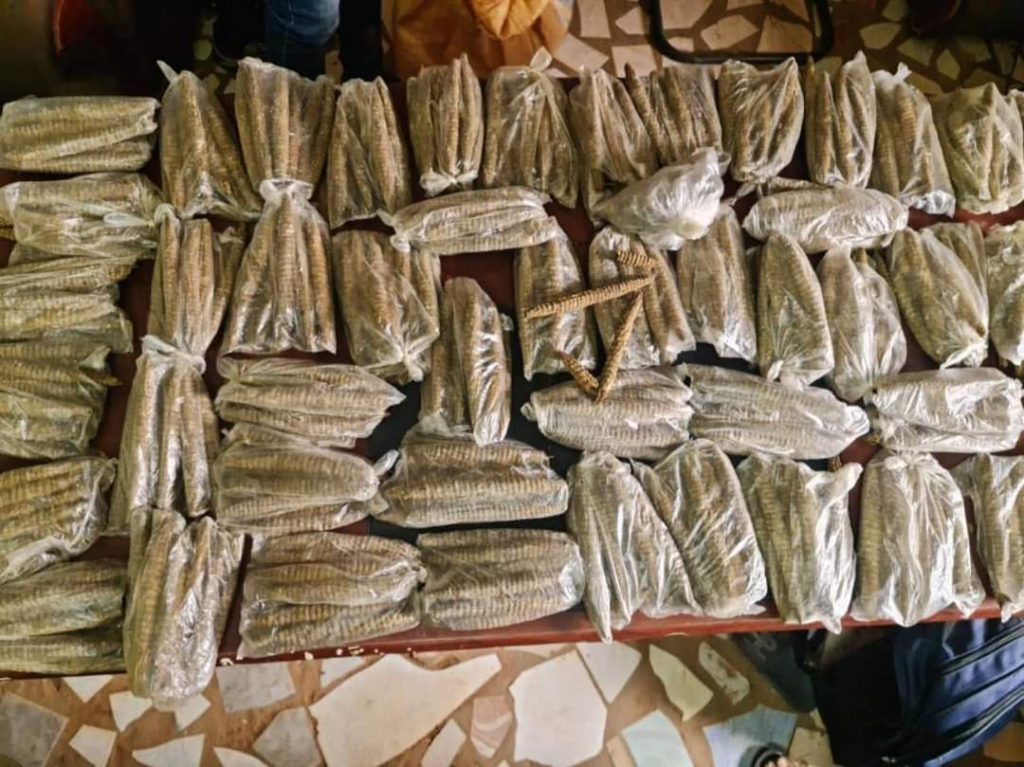
- Farmers prioritize cannabis due to its profitability compared to traditional crops like sorghum or rice. A single acre yields up to 7,000 cobs (ready-to-sell units), creating a lucrative informal economy.
- Despite government appeals to switch to rice cultivation, cannabis remains dominant due to weak enforcement and economic desperation.
Consumption Patterns
- Stress and Coping Mechanisms: In the context of ongoing conflict, displacement, and economic instability, some segments of the population—often including youth and marginalized groups—may turn to drugs as a means of coping with stress and trauma.
- Secrecy and Stigma: Given cultural and religious norms in the region (with the majority of the population adhering to Muslim practices which generally forbid intoxicants), drug use is often clandestine. This secrecy complicates surveillance and intervention efforts.
Health and Social Impacts
- Youth Consumption:
- Cannabis use surged by 34% among Sudanese youth (18–22 years) between 2015–2025, with Darfur’s displaced populations and university students heavily affected.
- Long-term health risks include respiratory issues, mental health disorders, and cognitive impairment, exacerbated by limited healthcare infrastructure in conflict zones.
- Prescription Drug Synergy: Cannabis often coexists with misuse of pharmaceuticals (e.g., tramadol, benzodiazepines), creating compounded addiction risks
Trade Networks and Distribution
Informal and Clandestine Channels
- Regional Smuggling: Darfur’s porous borders have facilitated the flow of drugs from neighboring regions where cultivation or production may be more established. Smugglers and criminal networks exploit local insecurity to move products discreetly.
- Local Distribution Networks: Within communities, drugs are often sold through small-scale vendors, hidden markets, or even via personal networks. This decentralized distribution makes regulation difficult.
Role of Armed Groups and Illicit Economies
- Financing Conflict: Evidence from various conflict regions indicates that some armed groups may tax or directly participate in the drug trade to finance their operations. Although concrete data specific to Darfur are scarce, the possibility of such networks using drug revenues to fuel ongoing instability cannot be discounted.
Humanitarian and Conflict Implications
Social and Public Health Effects
- Health Burden: The consumption of unregulated and potentially adulterated drugs poses significant health risks, including addiction, acute poisoning, and long-term chronic illnesses (such as respiratory or cardiovascular conditions related to smoking “Bango”). For already vulnerable populations, such health risks add further strain to a fragile system.
- Social Disruption: Drug use can exacerbate social issues such as family breakdown, loss of productivity, and increased incidences of violence or domestic abuse—further undermining community resilience.
Conflict Financing and Instability
- Funding Insurgency: If illicit drug trade revenues are diverted to support armed groups, this creates a vicious cycle where the drug economy not only undermines public health but also directly fuels ongoing conflict.
- Humanitarian Access: Areas with active drug trafficking may become harder for humanitarian organizations to access. In addition, the presence of drugs can worsen the challenges of delivering essential services in already insecure regions.
Challenges and Opportunities: Focus on Medicinal Marijuana
Challenges
- Regulatory Vacuum: In a context marked by ongoing conflict and weak governance, establishing a regulatory framework for any controlled substance—including medicinal marijuana—is extremely challenging.
- Quality Control and Infrastructure: Ensuring that any licensed production meets health and safety standards requires significant investment in infrastructure, technology, and skilled personnel—resources that are scarce in Darfur.
- Social and Cultural Barriers: In a predominantly Muslim society where alcohol and other intoxicants are prohibited, introducing medicinal marijuana could face strong cultural and religious resistance.
Opportunities
- Medical and Therapeutic Potential: There is growing international evidence supporting the medicinal uses of cannabis for pain management, epilepsy, and other conditions. Under strict regulation, controlled cultivation could offer therapeutic benefits for patients.
- Economic Diversification: Legal, regulated cultivation of medicinal marijuana—if ethically and culturally acceptable—might provide an alternative livelihood opportunity. This could help redirect local production away from purely illicit trades and inject some legitimate revenue into the local economy.
- Pilot Programs and Research: Carefully designed pilot programs, in collaboration with international partners and academic institutions, could explore the feasibility and impact of medicinal marijuana cultivation and use in controlled environments.
Recommendations for Mitigation
Strengthen Regulatory Frameworks and Enforcement
- Develop Regional Policies: Work with national authorities and international agencies to craft policies specific to drug control in conflict-affected areas like Darfur. These policies should focus on curbing illicit production and trade through better surveillance and regulation.
- Enhance Law Enforcement Capacities: Build capacity among local law enforcement to target drug trafficking networks without further marginalizing vulnerable communities.
Community-Based Intervention and Public Health Measures
- Health Education and Awareness: Launch culturally sensitive campaigns to educate communities about the health risks of illicit drug consumption and the benefits of seeking treatment for addiction.
- Substance Abuse Treatment Programs: Establish or expand local substance abuse and mental health services, including harm reduction programs, to address existing drug dependency issues.
Economic and Livelihood Diversification
- Alternative Livelihood Initiatives: Implement projects that provide alternative income sources for communities involved in illegal drug cultivation. Microfinance, vocational training, and support for sustainable agriculture can reduce dependence on illicit crops.
- Explore Regulated Medicinal Marijuana: Consider pilot projects under strict control to examine the potential of medicinal marijuana for therapeutic use. Such initiatives should include rigorous quality controls, clinical oversight, and community engagement to ensure they are culturally and socially acceptable.
Enhance Regional and International Collaboration
- Share Best Practices: Collaborate with regional governments, international organizations, and academic institutions to share data, research findings, and best practices related to both drug control and the potential benefits of medicinal marijuana.
- Improve Cross-Border Surveillance: Strengthen cross-border cooperation to monitor and disrupt illicit drug trade networks, ensuring that revenues do not inadvertently fund armed groups or fuel further conflict.
Drugs in Darfur represent a multifaceted challenge that intersects with public health, conflict dynamics, socio-economic instability, and governance weaknesses. While illicit production—exemplified by local “Bango” cultivation—and unregulated consumption exacerbate health and social problems, the broader drug trade also plays a role in financing conflict and undermining state authority. At the same time, emerging discussions around regulated medicinal marijuana offer a glimpse of potential economic diversification and public health benefits, albeit within a framework that must surmount significant regulatory, cultural, and infrastructural hurdles.
A comprehensive strategy to mitigate drug-related harms in Darfur requires strengthening regulatory frameworks, enhancing law enforcement and public health services, diversifying local economies, and fostering regional cooperation. By integrating these measures into broader peace-building and development strategies, stakeholders can work toward reducing the negative impacts of illicit drugs while exploring innovative approaches for legitimate, health-oriented opportunities.