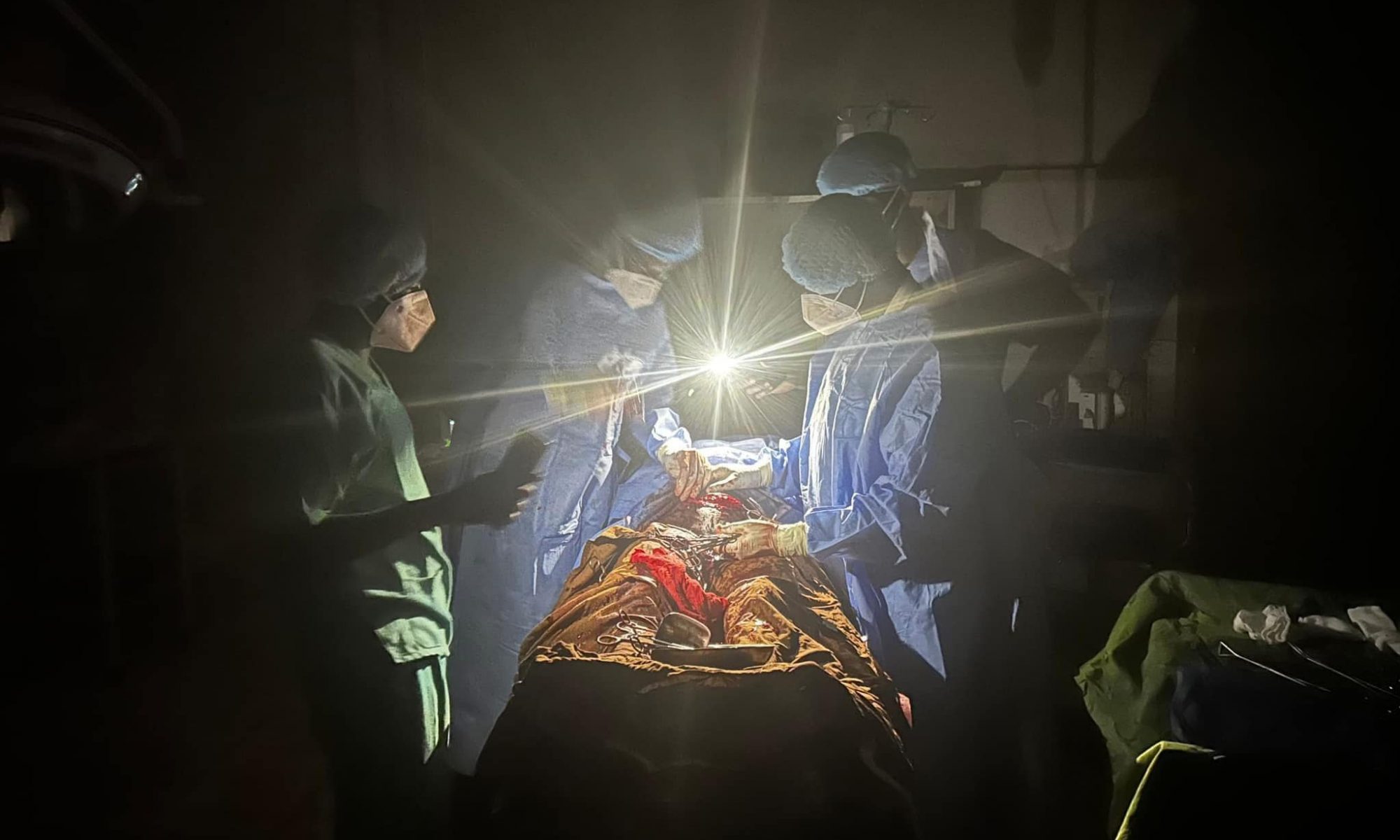

Veterinary health care is a critical component of the overall health ecosystem in Darfur. For many rural communities in the region, livestock not only represents a major source of income but also a cultural and social asset. Moreover, healthy animals contribute directly to food security and economic stability. In conflict-affected areas like Darfur, veterinary services are particularly vulnerable; yet, they remain essential for preventing the spread of animal diseases, ensuring food safety, and maintaining the livelihoods of rural populations.
Historical and Socioeconomic Context
Traditional Practices and Pre-Conflict Veterinary Care
- Traditional Knowledge and Indigenous Techniques: Historically, pastoral communities in Darfur have relied on indigenous knowledge and traditional remedies to care for their animals. Local healers and experienced herders passed down practical techniques for managing common ailments and for routine animal husbandry.
- Limited Formal Services: Before the escalation of conflict, formal veterinary services were sporadic. Rural outreach was minimal, and any available care was provided through a mix of local government initiatives and flexible, small-scale private practices. Regulatory oversight and standardization were limited, reflecting infrequent access to modern veterinary medicine.
Impact of Conflict and Displacement
- Service Disruption: The onset of conflict in the early 2000s disrupted traditional veterinary practices and damaged any nascent formal services. Displacement of pastoralists, destruction of infrastructure, and chronic instability curtailed access to veterinary care and support for livestock.
- Economic Consequences: Livestock is central to the economy in Darfur, and the decline in veterinary services has had a cascading effect on food security and household income. Losses due to preventable animal diseases further compromise the resilience of communities already struggling with the fallout of violence and displacement.
Current State of Veterinary Health Care
Service Providers and Outreach
- Government Facilities and Programs: Formal veterinary care is very limited in Darfur. Government-run veterinary centers exist predominantly in urban hubs, but their presence and reach in rural areas are minimal. Often, these facilities lack modern equipment, adequate staffing, and reliable supply chains for vaccines and medications.
- NGO and International Agency Interventions: Several humanitarian organizations and international agencies have stepped in to provide emergency and routine veterinary services. Mobile teams, vaccination campaigns, and training programs for local animal health workers have been implemented to mitigate the lack of consistent government support.
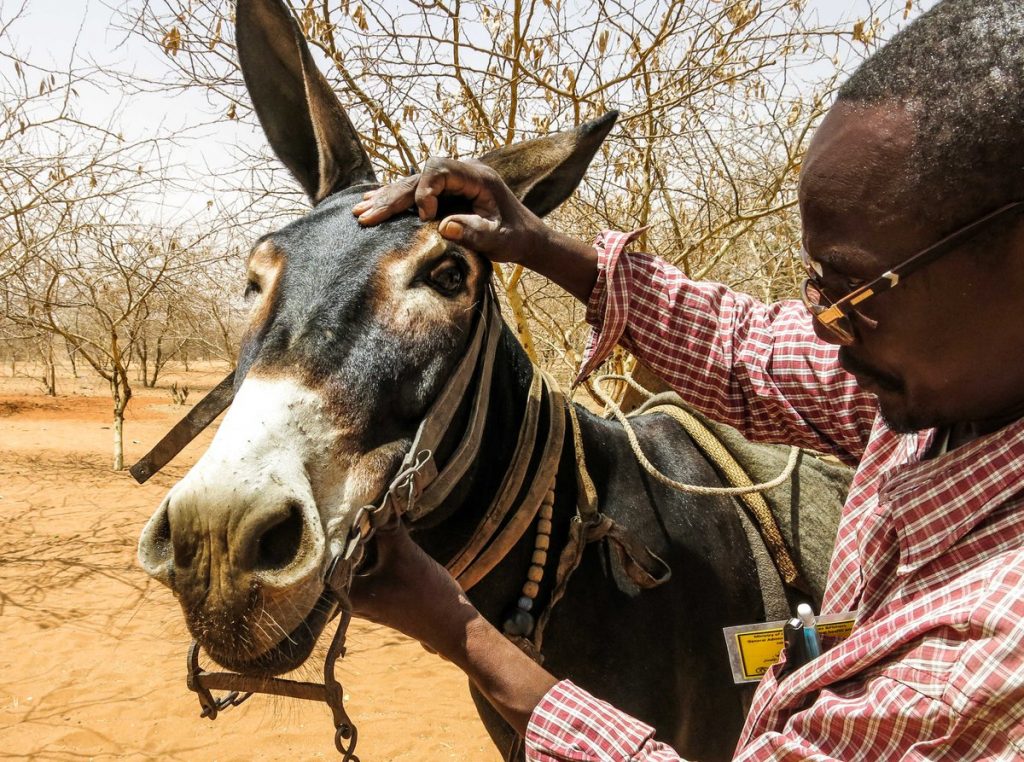
- Community-Based Initiatives: Local initiatives have emerged in the form of informal networks. Community animal health workers, often trained through NGO-assisted programs, offer basic services such as animal vaccinations, treatments for common infections, and advice on proper husbandry practices. These grassroots efforts are vital to reaching remote pastoral communities.
Disease Prevention and Control
- Animal Disease Outbreaks: Outbreaks of diseases such as contagious bovine pleuropneumonia, foot-and-mouth disease, and parasitic infections are common challenges, exacerbated by malnutrition, stress, and poor living conditions for animals. Inadequate surveillance and limited access to modern diagnostic facilities hinder timely responses.
- Vaccination and Biosecurity Measures: Intermittent vaccination drives by NGOs help prevent epidemics, but irregular outreach means coverage is insufficient. The absence of effective biosecurity measures increases the risk of disease spread among animal populations across wide pastoral areas.
Infrastructure and Human Resource Challenges
Infrastructural Limitations
- Facility and Equipment Constraints: Many veterinary facilities are in a state of disrepair or are non-existent in rural regions. Scarcity of refrigeration (which is essential for vaccine storage), intermittent electricity, and poor transportation infrastructure complicate the maintenance of a proper cold chain and timely service delivery.
- Supply Chain Disruptions: Insecurity, damaged roads, and lack of reliable logistics create frequent supply shortages of essential medicines, vaccines, and equipment. This undermines the effectiveness of disease prevention campaigns and emergency interventions.
Workforce Shortages and Capacity Gaps
- Shortage of Qualified Veterinarians: The exodus of skilled professionals due to insecurity and economic instability has left the region with too few trained veterinarians. As a result, many pastoral communities rely on community animal health workers who, while dedicated, have limited formal training.
- Training and Continuous Education: Ongoing professional development is rare. Limited training opportunities reduce the ability of local practitioners to adopt modern diagnostic methods, implement efficient treatment protocols, and manage emerging health threats.
Implications for Livelihoods and Food Security
- Economic Impact: Livestock losses due to untreated diseases have a direct economic impact on families, reducing income and food security. This, in turn, can lead to further impoverishment and contribute to rural instability.
- Nutritional Impact: Healthy animals are a key source of nutrition for rural populations. Compromised veterinary services lead to decreased production of dairy products, meat, and other animal-derived foods, negatively impacting nutritional outcomes in vulnerable communities.
Policy Recommendations and Future Directions
Strengthen Infrastructure and Supply Chains
- Invest in Rural Veterinary Facilities: Governments and international donors should prioritize investment in resilient veterinary clinics tailored for rural service delivery. Upgrading facilities with reliable refrigeration, backup power solutions, and improved logistics can ensure a consistent cold chain for vaccines and medications.
- Enhance Supply Chain Resilience: Developing regional storage hubs and forging partnerships with local logistics providers can safeguard against supply chain disruptions. Strengthening border and transportation infrastructure will also facilitate consistent access to essential veterinary supplies.
Build Human Resource Capacity
- Expand Training Programs: Establish targeted training initiatives for community animal health workers that emphasize modern veterinary practices and disease surveillance. Partnerships with universities and international organizations can help develop standardized curricula and certification programs.
- Improve Retention Strategies: Incentive structures for retaining veterinary professionals—such as competitive salaries, safe working environments, and career advancement opportunities—are essential to mitigating the brain drain and ensuring consistent service delivery.
Foster Multi-Stakeholder Partnerships
- Public-Private Collaborations: Encouraging partnerships between government agencies, NGOs, and private sector actors can enhance resource mobilization and innovation in veterinary services. Such collaborations may include joint vaccination campaigns, shared logistical frameworks, and coordinated emergency responses.
- Community Engagement: Empowering local communities through participatory monitoring and involving them in planning and executing veterinary initiatives can ensure that solutions are culturally appropriate and effectively address local needs.
Enhance Disease Surveillance and Response
- Implement Early Warning Systems: Develop decentralized disease monitoring systems using mobile technology to track outbreaks and disseminate early warning alerts. Data-driven surveillance will facilitate timely intervention and control.
- Integrate Veterinary and Public Health Systems: Recognize the interconnection between animal and human health, especially in regions where zoonotic diseases are a risk. A One Health approach—integrating human, animal, and environmental health strategies—can improve the coordination of response efforts.
Veterinary health care in Darfur is a critical yet under-addressed component of the region’s overall health infrastructure. In a context where livestock is integral to livelihoods, food security, and economic stability, addressing the challenges of veterinary service delivery is paramount. Strengthening infrastructure, building human capacity, and establishing resilient supply chains—as well as fostering multi-stakeholder partnerships—will not only reduce animal disease burdens but also contribute to the broader economic and social stability of Darfur’s rural communities.