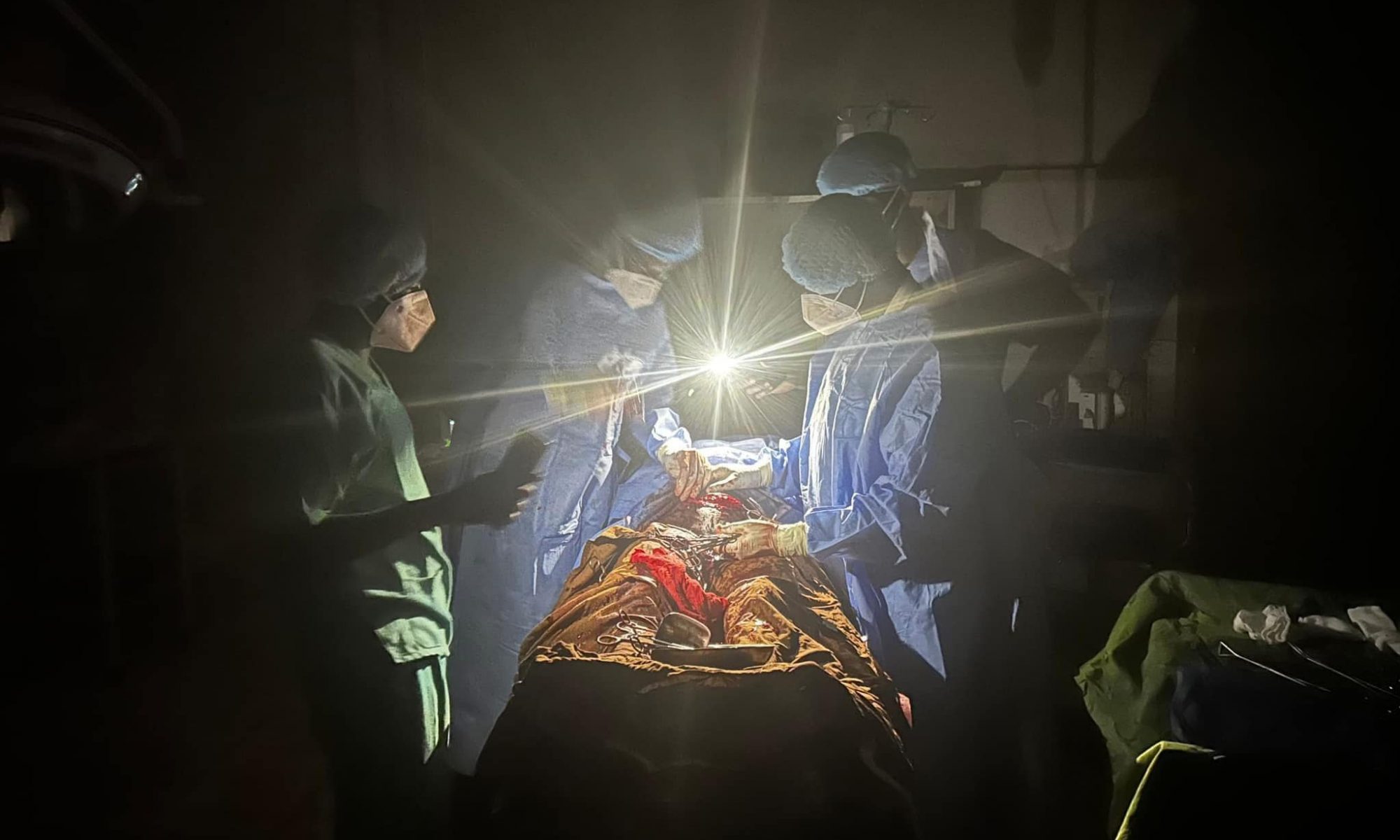

Darfur—a region marked by longstanding conflict and instability—is facing one of the most severe humanitarian crises of our time. For children, the combined effects of warfare, displacement, and systemic neglect have created dire conditions that imperil their physical and mental well‐being. Conflict, coupled with deteriorating infrastructure and limited access to essential services, has left these young lives vulnerable to malnutrition, preventable diseases, and exposure to violence. In addition, widespread food insecurity and the collapse of formal education systems further compound these challenges, setting the stage for an intergenerational public health emergency.
Health System Disruption and Access to Essential Services
Over the past several years, conflict in Darfur has precipitated a near-total collapse of healthcare infrastructure. Facilities that once provided critical maternal, newborn, and pediatric services have become inaccessible or have ceased operations entirely. Health workers, including nurses, doctors, and community health advocates, now face severe shortages of essential supplies and medicines. In South Darfur—where humanitarian assessments have been most detailed—reports note a dramatic rise in both maternal and child deaths from conditions that would typically be treatable with basic interventions 3. The breakdown in healthcare service delivery is not only leaving children unprotected against common diseases (such as diarrheal illnesses and respiratory infections) but also compromising the ability to implement preventive measures like immunization campaigns. When critical services are disrupted, children face preventable threats and injuries at unprecedented scales.
Nutritional Challenges and Malnutrition
Child malnutrition in Darfur has reached alarming levels. According to recent reports, nearly 1.2 million children under the age of five are suffering from acute malnutrition, with around 218,000 of these cases classified as severe acute malnutrition—the most dangerous form that quickly becomes life-threatening absent timely intervention . This nutritional crisis is driven by multiple factors: conflict-induced displacement, loss of livelihoods, and disruptions in food supplies all contribute to insufficient nutritional intake. In camps and informal settlements, where families are forced to live in overcrowded and under-resourced conditions, children are particularly vulnerable. The cascading impact of malnutrition exacerbates other health issues, weakens immune responses, and increases the risk of morbidity and mortality.
Exposure to Violence and Child Rights Violations
Beyond the physical toll of hunger and disease, children in Darfur are also enduring a heavy burden of abuse and violence. UNICEF reports indicate that over the past seven months, allegations of severe child rights violations in Darfur have surged dramatically—a spike of 450% compared to previous years—with evidence suggesting that more than half of the country’s documented violent incidents now involve children . These violations range from physical injuries sustained in the crossfire to traumatic experiences related to sexual violence, forced recruitment, and exploitation. Such exposures not only lead to immediate injuries and health issues but also insidiously inflict long-term psychological trauma, undermining children’s mental health and their prospects for a stable future.
Displacement, Education, and Broader Social Impact
The ongoing conflict has displaced millions, with internally displaced persons (IDPs) numbering over 1.7 million in Darfur—approximately 40% of whom are children. Displacement disrupts every aspect of a child’s life. Overcrowded and under-resourced camps struggle to offer even the most basic health or educational services, leaving children without a safe environment or even the fundamental right to learn. Nearly all of the region’s formal schools have shuttered or become nonviable, compounding the risks of long-term developmental delays and social isolation for young learners. Without the stabilizing effects of education and community support, these children are left even more exposed to exploitation and the cycle of poverty
Urgent Recommendations for Addressing Child Health in Darfur
Given this dire situation, immediate and coordinated humanitarian interventions are critical. Recommendations include:
- Re-establishing Health Infrastructure: Rapid restoration of healthcare facilities equipped for pediatric, neonatal, and emergency care is essential. International organizations, in partnership with local governments, should prioritize the delivery of life-saving equipment and essential medications.
- Strengthening Nutritional Support: Scaling up food distribution programs and establishing targeted nutrition interventions can address high rates of malnutrition. Implementing community-based management of acute malnutrition (CMAM) programs would enable early detection and treatment.
- Expanding Protective Services: Immediate actions to safeguard children from violence—including enhanced monitoring of child rights violations—must be taken. Investments in psychosocial support services are crucial to help trauma-affected children recover.
- Facilitating Access to Education: Restoring and adapting educational services, whether through temporary learning centers or alternative schooling mechanisms, can help provide structure and hope for displaced children.
- International Coordination: A coordinated global response—leveraging political influence, robust funding, and international humanitarian organizations—is required to ensure aid reaches those most in need despite the myriad access challenges posed by conflict
Child health in Darfur is in a state of acute crisis—marked by a convergence of conflict-induced healthcare breakdown, widespread malnutrition, and rampant rights violations. The crisis, which affects millions of children, is not only a humanitarian tragedy on its own but also portends long-term repercussions for the region’s socio-economic stability and future development. It is imperative for the international community to act decisively, ensuring that emergency interventions, protective services, and sustainable recovery measures are implemented immediately. Only through a committed, multi-faceted response can the cycle of neglect and violence be broken, giving Darfur’s children a chance at a healthier, more secure future.