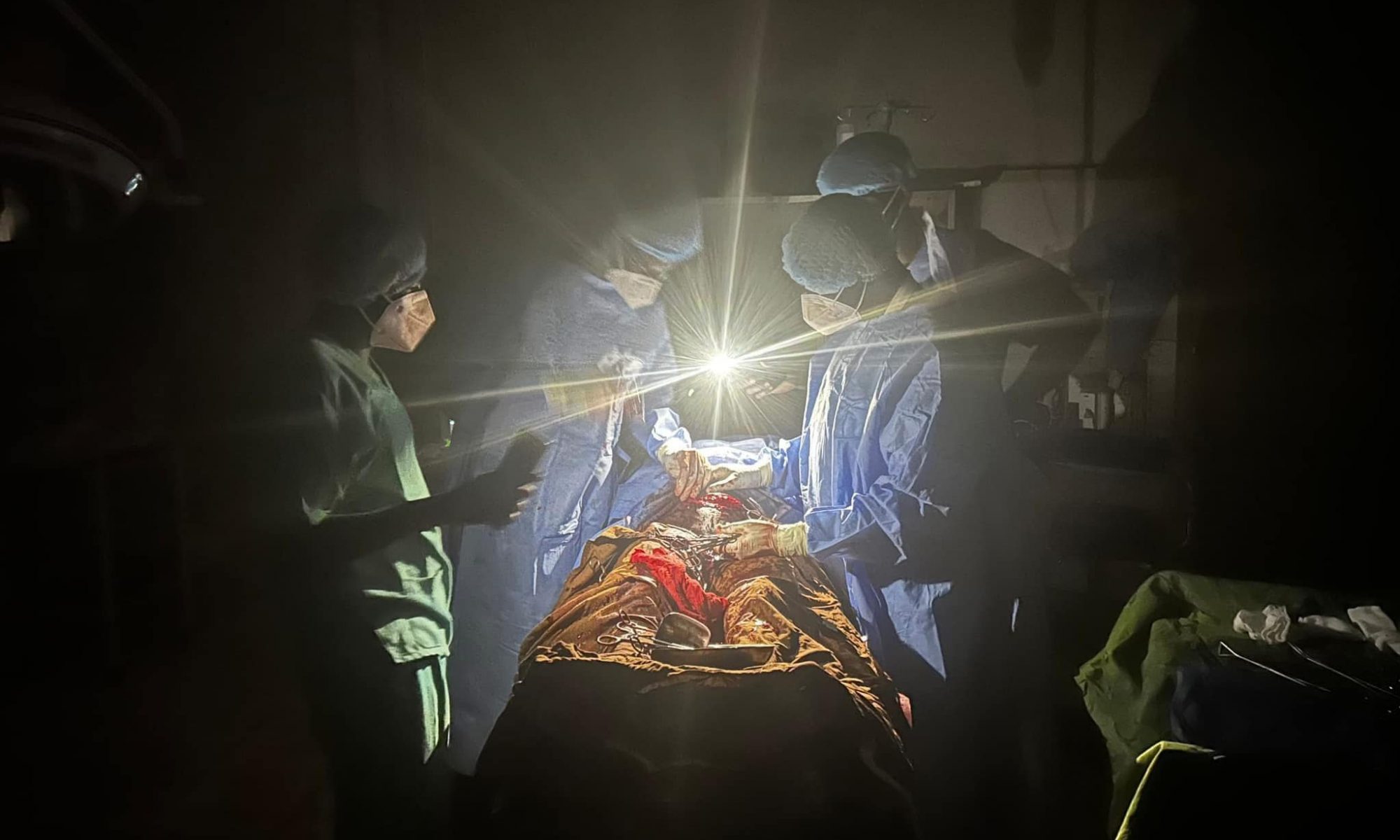

Darfur is a region that has endured decades of conflict, displacement, and humanitarian challenges, which have significantly impacted its healthcare infrastructure. In this context, both hospitals and medical centers play crucial roles. Hospitals typically provide emergency and specialized care, while medical centers—often serving as primary healthcare outlets—offer routine check-ups, preventive services, and community-based programs. Understanding the dynamics of these institutions is key to addressing the overall health challenges in the region.
Historical and Geopolitical Context
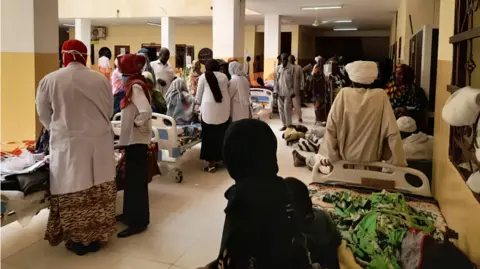
Prior to the conflict that escalated in the early 2000s, Darfur already faced chronic underinvestment in health services. The ensuing violence led to widespread destruction, displacement, and the deterioration of existing healthcare facilities. Both hospitals and medical centers were deeply affected, resulting in a healthcare system struggling to meet the urgent needs of a fractured population. The legacy of instability has left a network of facilities that are often improvised, overwhelmed, or reliant on intermittent external support.
Infrastructure Overview
Hospitals
- Public and Government Hospitals: The public hospital network in Darfur primarily exists in urban centers like Nyala and El Fasher. These institutions are designed to handle emergencies, surgical interventions, and a range of specialized care services. However, hospitals in the region frequently confront:
- Structural Deterioration: Many hospital buildings have sustained physical damage during conflict, and regular maintenance is hampered by limited budgets and disrupted supply chains.
- Resource Limitations: Equipment, safe operating theaters, and modern diagnostic tools are in short supply. In many cases, hospitals operate with outdated infrastructure designed for more stable times.
- Accessibility Challenges: Poor transport networks and security concerns significantly limit the ability of patients to reach these hospitals in critical situations.
- NGO-Associated and Field Hospitals: International organizations and humanitarian agencies operate field hospitals or temporarily renovated units. These facilities are often rapidly deployed to meet urgent needs during flare-ups of violence or disease outbreaks. Their flexible nature provides an essential stopgap measure in regions where permanent hospitals may be nonfunctional or too remote.
Medical Centers
- Primary Healthcare Facilities: Medical centers in Darfur are generally the community’s first point of contact for healthcare. They offer service areas that include:
- Routine and Preventive Care: Basic health services such as immunizations, maternity care, and treatment for common illnesses are frequently offered at these centers.
- Community Health Programs: Medical centers often serve as hubs for health education and preventive campaigns, aiming to curb outbreaks of infectious diseases and promote healthier lifestyles.
- Mobile Clinics and Outreach Units: Given the geographic spread and insecurity in many parts of Darfur, mobile medical units are essential. These units extend the reach of healthcare services into remote and underserved communities, complementing the fixed-site medical centers. By combining regular visits and on-demand response capabilities, these mobile clinics help mitigate the impact of disrupted infrastructure.
Key Challenges
Infrastructure and Maintenance
Both hospitals and medical centers face chronic challenges related to physical infrastructure:
- Damage and Deterioration: Conflict has compromised many buildings, and the harsh regional climate further accelerates deterioration. Inadequate or inconsistent funding for repairs means that many facilities remain in a state of disrepair, impacting service delivery.
- Supply Chain and Utilities: Interruption in the supply of even basic medical supplies, clean water, and electricity is a recurring issue. Hospitals require a more sophisticated supply chain due to their dependence on advanced equipment, whereas medical centers are also vulnerable to disruptions that affect routine care.
Human Resources
- Staffing Shortages: A significant number of qualified healthcare professionals have either fled the region or are unwilling to work in areas marked by instability. This results in grave staffing shortages in both hospitals and medical centers.
- Training and Capacity Building: Opportunities for ongoing professional training are limited, which hampers the ability of local staff to manage complex cases or emergency situations effectively. For medical centers, this issue is compounded by the need to quickly train community health workers with minimal resources.
- Burnout and Security Risks: The stressful and often dangerous working conditions contribute to high levels of burnout among healthcare workers. This affects the ability to maintain high standards of care over prolonged periods of crisis.
Security and Accessibility
- Operational Risks: The persistent threat of renewed conflict creates an unstable environment for the operation of both hospitals and medical centers. Facilities can become targets during flare-ups, and the safety of both patients and staff remains a constant concern.
- Patient Journey: Insecurity combined with poor transportation networks means that reaching the nearest facility—even if it is merely a medical center—can be a daunting task. This delay often exacerbates medical conditions that would be treatable under better circumstances.
Humanitarian Interventions and International Support
Role of NGOs and International Agencies
Aid organizations such as Médecins Sans Frontières (MSF), the International Committee of the Red Cross (ICRC), and UNICEF have been pivotal in supplementing the region’s healthcare. Their interventions include:
- Provision of Emergency Medical Facilities: Establishing field hospitals and renovating damaged hospitals to restore critical care capabilities.
- Mobile Health Clinics and Community Outreach: Deploying mobile clinics to deliver services in remote areas, effectively linking fragmented health networks.
- Training and Capacity Building: Running workshops and remote training programs to boost local medical expertise and resilience.
Collaborative Reconstruction Efforts
International donors and local government authorities have begun to work together on projects designed to invest in long-term health infrastructure. These include:
- Rehabilitating Existing Facilities: Efforts to rebuild damaged hospitals and upgrade medical centers to meet modern standards.
- Implementing Telemedicine: Given the physical barriers to accessing experts, telemedicine has emerged as a promising tool, connecting local providers with international specialists for both diagnostic support and ongoing training.
Policy Analysis and Future Directions
Sustainable Infrastructure Investment
- Integrated Health Networks: Developing a coordinated system that strategically links hospitals, and medical centers can create efficiencies in resource sharing and improve patient referrals. Emphasizing the integration of services ensures that critical emergency care from hospitals complements routine services provided by medical centers.
- Modernization Projects: Investing in resilient infrastructure—such as renewable energy sources for electricity and sustainable water purification systems—can make facilities less vulnerable to disruptions.
Human Resource Development
- Capacity Building Initiatives: Establishing training centers and partnerships with international institutions can foster a skilled local workforce. Incentive structures and improved working conditions are necessary to retain healthcare personnel.
- Community Health Worker Programs: Strengthening these programs within medical centers can lead to better early detection of health issues and a more effective dissemination of health education within communities.
Enhancing Security and Emergency Preparedness
- Crisis Management Planning: Hospitals and medical centers must develop robust emergency response protocols. This includes ensuring staff know how to conduct secure evacuations, manage medical crises, and maintain communication during conflict escalations.
- Policy Coordination: Integrating efforts between local authorities, international NGOs, and community leaders is essential for creating a resilient health system that can better withstand both routine challenges and sudden emergencies.
Hospitals and medical centers in Darfur represent the dual facets of a healthcare system strained by conflict yet driven by the resilience and resourcefulness of its people. While hospitals provide critical emergency and specialized care, medical centers deliver indispensable primary services and community outreach. Addressing the challenges—from infrastructural decay and staffing shortages to supply chain issues and ongoing security concerns—requires coordinated domestic strategies and international support. Sustainable investment in infrastructure, human capacity building, and integrated health networks will be essential to fortifying these facilities against future crises.