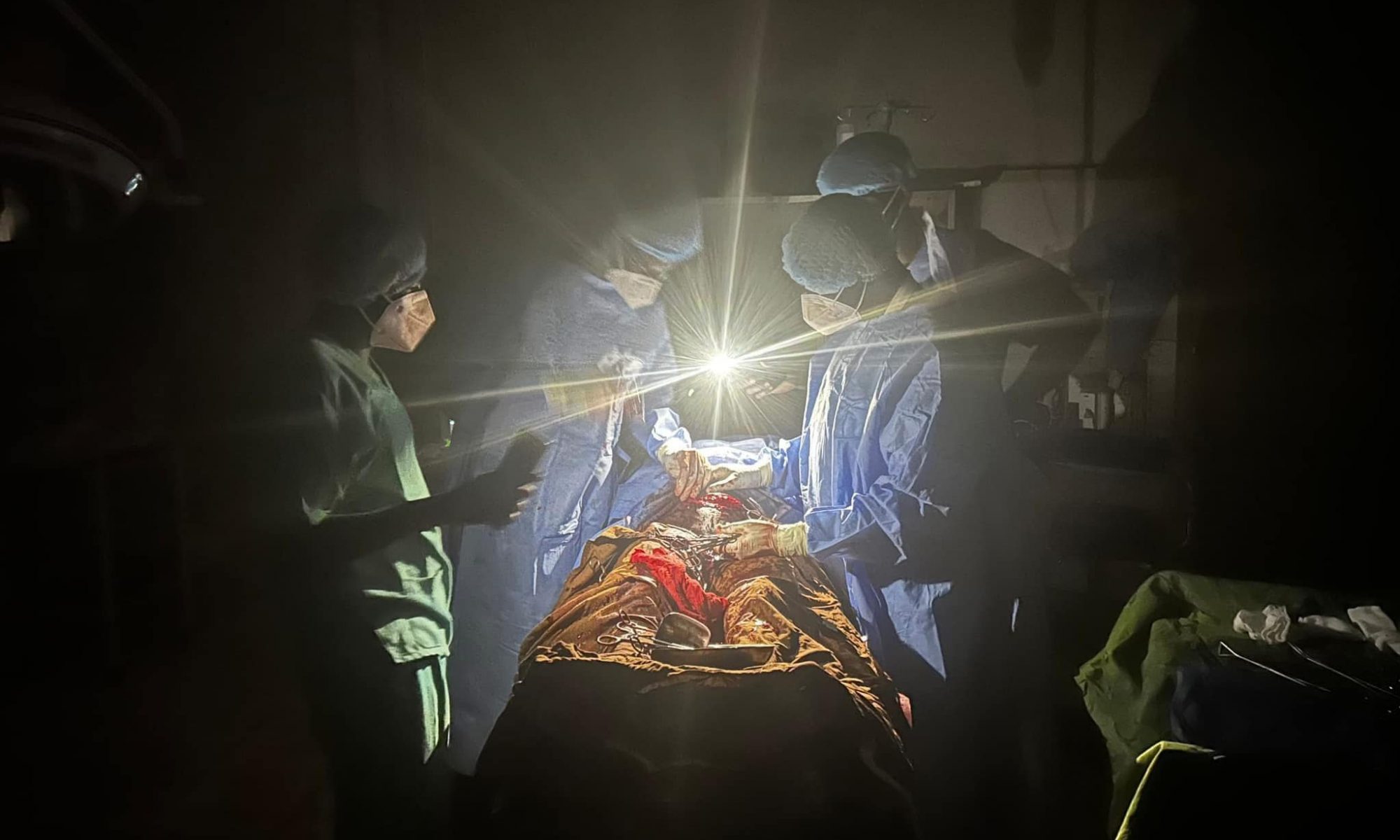

Water, Sanitation, and Hygiene (WASH) are fundamental components of public health, acting as the frontline defense against waterborne diseases and malnutrition. In Darfur—a region that has experienced decades of conflict, recurrent displacement, and environmental challenges—WASH services are not only critical for daily survival but also play a pivotal role in stabilizing communities, reducing disease burdens, and fostering long-term development. This report explores the evolution of WASH interventions in Darfur, assesses current service delivery, identifies primary challenges, and recommends strategic pathways to build more resilient and sustainable systems.
Historical Context
Historically, Darfur’s WASH infrastructure has been constrained by chronic underinvestment and exacerbated by conflict-driven destruction. Prior to the outbreak of large-scale hostilities in the early 2000s, rural communities already faced intermittent access to clean water and proper sanitation facilities. With escalating violence and mass displacement, existing water points, latrines, and hygiene facilities were damaged or rendered inaccessible. In response, international humanitarian agencies rapidly deployed emergency WASH interventions—establishing water points, emergency latrines, and hygiene education campaigns—to address immediate needs. However, the reactive nature of these interventions has left a legacy of fragmented services, highlighting the need for systemic, long-term planning alongside emergency measures.
WASH Infrastructure and Service Delivery
Access to Safe Water
- Water Sources and Quality: In Darfur, communities rely predominantly on surface water, hand-dug wells, and, in some cases, boreholes. The quality of water is frequently compromised by natural contaminants and human-induced pollution. Seasonal fluctuations and prolonged droughts further intensify water scarcity, affecting both urban settlements and remote rural areas.
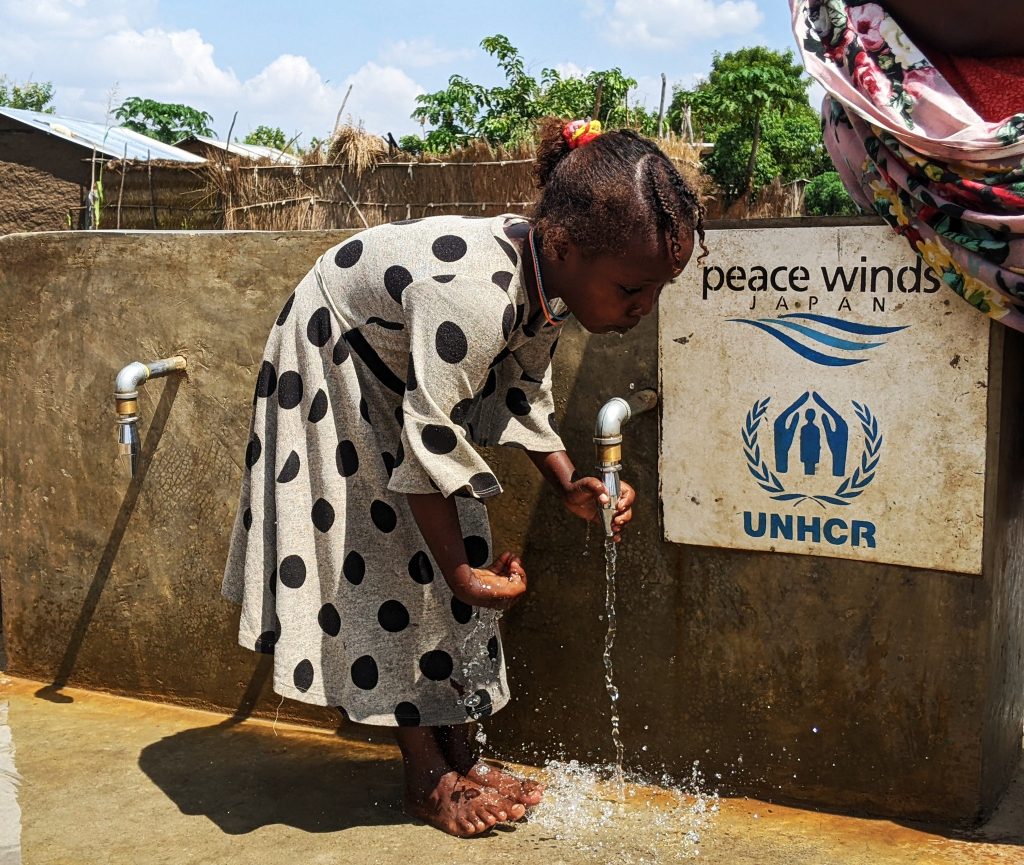
- Emergency Water Points: Humanitarian agencies have installed numerous temporary water points in displacement camps and vulnerable communities. These interventions have provided critical, albeit short-term, access to water but often struggle with maintenance and sustainability once emergency funding wanes.
Sanitation Facilities
- Sanitation Infrastructure: Sanitation in many parts of Darfur remains rudimentary. In both urban centers and camps, the number of functional latrines is insufficient to meet population needs. Overcrowding, especially in displacement settings, leads to shared facilities that are rapidly overwhelmed, resulting in poor hygiene conditions and increased risk for diseases such as cholera and dysentery.
- Waste Management Practices: Due to limited municipal services and disrupted governance, waste management systems are often non-existent. Communities resort to open defecation or informal disposal methods, creating localized environmental hazards that contribute to disease transmission.
Hygiene Promotion
- Behavior Change Campaigns: Effective hygiene practices—including handwashing with soap, safe water storage, and household cleanliness—are central to preventing disease outbreaks. Numerous awareness campaigns have been conducted by non-governmental organizations (NGOs) and local groups. However, success is mixed due to cultural barriers, limited resources, and the transient nature of camp settlements.
- Distribution of Hygiene Kits: In response to periodic epidemics, hygiene kits (often containing soap, water purification tablets, and instructional materials) are distributed through coordinated efforts. While these kits provide temporary relief, their impact is limited if the associated water and sanitation infrastructure does not concurrently improve.
Key Challenges in the Darfur Context
Impact of Prolonged Conflict
- Infrastructure Destruction: Years of conflict have led to the systematic destruction of previously established water and sanitation infrastructure. Rebuilding such systems is made more complex by ongoing insecurity and interrupted development projects.
- Displacement and Urban Overcrowding: The influx of internally displaced persons (IDPs) into urban centers and camps places enormous pressure on local resources. Overcrowding aggravates sanitation challenges and heightens the spread of communicable diseases.
Environmental and Climatic Constraints
- Arid Climate and Drought: Darfur’s arid environment and periodic drought conditions severely limit the availability of renewable water sources. Long dry spells reduce water quantities and increase reliance on unimproved or contaminated sources.
- Soil and Water Contamination: Natural factors, combined with inadequate waste disposal practices, contribute to water contamination. This results in the periodic outbreak of waterborne diseases, further stressing the public health system.
Funding and Operational Barriers
- Reliance on External Aid: Much of the WASH work is funded and executed by international agencies and donors. This reliance on external support often results in a focus on emergency response rather than long-term infrastructure development and local capacity building.
- Logistical and Security Issues: Poor transportation networks and ongoing security risks impede the regular maintenance of WASH facilities. Remote communities, particularly those in conflict-prone areas, frequently experience delays in receiving essential materials and technical support.
Initiatives and Collaborative Responses
International and NGO Interventions
- Emergency and Transitional Programs: International organizations such as UNICEF, the World Health Organization (WHO), and various NGOs have been at the forefront of WASH interventions. They have deployed water trucking, constructed temporary latrines, and provided hygiene education materials to mitigate immediate risks.
- Long-Term Development Projects: Efforts are underway to transition from short-term emergency responses to long-lasting infrastructure projects. Some initiatives focus on rehabilitating damaged water systems, drilling sustainable boreholes, and constructing resilient sanitation facilities that are designed to withstand the region’s challenging conditions.
Local and Community-Led Approaches
- Community Participation: Empowering local communities through participatory planning has shown promise. Community health committees often manage local water points, maintain cleaning schedules for latrines, and lead hygiene promotion activities tailored to local cultural contexts.
- Capacity Building and Training: Training local technicians and health promoters to manage and repair WASH facilities not only creates jobs but also ensures that gains are sustained beyond the period of international intervention.
Strategic Recommendations
Infrastructure Investments
- Rehabilitation and Resilience: Prioritize investment in the reconstruction and rehabilitation of water supply and sanitation systems, with a focus on sustainable technologies such as solar-powered water pumps and climate-resilient latrine designs.
- Decentralized Maintenance Systems: Establish local maintenance teams and train community members to manage daily operations and emergency repairs, ensuring continuity even when external actors withdraw.
Integrated Planning and Partnerships
- Holistic WASH Strategies: Integrate WASH planning with broader public health, education, and economic development projects. Multisectoral collaboration can lead to shared funding opportunities and more holistic community development.
- Strengthening Coordination: Develop robust coordination mechanisms between governmental agencies, NGOs, and local communities. A unified platform for WASH-related data collection, resource allocation, and emergency response planning would enhance overall system efficiency.
Enhancing Community Engagement and Behavior Change
- Tailored Hygiene Promotion: Implement culturally sensitive behavior change campaigns that address local practices and beliefs. Active community involvement in designing these programs increases acceptance and long-term impact.
- Monitoring and Evaluation: Use data-driven approaches to track progress, identify gaps, and adjust strategies. Improved surveillance and feedback loops at the community level can help fine-tune interventions and ensure that they meet evolving needs.
Leveraging Technology
- Digital Reporting Systems: Adopt mobile-based monitoring tools to track the functionality of water points, sanitation facility utilization, and hygiene practices. Digital dashboards can facilitate rapid response when issues are detected.
- Remote Training and Support: Utilize telecommunication platforms to provide remote training for local technicians and health promoters, ensuring continuity of capacity building even in insecure or hard-to-reach areas.
WASH services in Darfur are a cornerstone for public health and community resilience. Although decades of conflict and harsh environmental conditions have posed formidable obstacles, concerted efforts from international donors, local authorities, and community organizations have established a vital foundation. Transitioning from emergency-based interventions to sustainable, locally managed WASH solutions is crucial for long-term stability and development. By investing in resilient infrastructure, fostering coordinated multisectoral approaches, and leveraging modern technology, Darfur can build a robust WASH system that safeguards health and promotes social and economic recovery.