

Environmental health refers to factors in one’s surroundings that can have a direct impact on individual and community well-being. In Darfur, environmental health issues are intricately linked to the region’s harsh natural conditions, prolonged conflict, and mass displacement. These challenges influence everything from water and air quality to waste management and land degradation. A robust environmental health framework is essential for reducing disease burdens, improving food security, and fostering long-term community resilience.
Historical Context and Environmental Degradation
Impact of Conflict on the Environment
- Destruction of Infrastructure: Years of conflict have not only disrupted the health care system but also damaged vital infrastructure such as water supply networks and sanitation facilities. The destruction and subsequent neglect have led to the deterioration of environments once managed by local authorities.
- Displacement and Resource Strain: Massive population movements due to insecurity have forced survivors into overcrowded camps or into marginal lands. This displacement places unsustainable pressure on natural resources, accelerating environmental degradation and impeding traditional land-use practices.
Pre-Existing Environmental Stressors
- Arid Climate and Desertification: Darfur’s naturally arid conditions contribute to chronic water scarcity and soil erosion. Over the years, drought and desertification have worsened, reducing arable land and undermining local agricultural practices.
- Unsustainable Practices: Even before the escalation of conflict, limited access to modern technology and resource management meant that communities relied on traditional methods of farming and water use, which, under current stress, struggle to meet the needs of a growing and displaced population.
Key Environmental Health Hazards
Water Quality and Scarcity
- Contaminated Water Sources: Due to damaged infrastructure and overuse, natural water sources—including wells, boreholes, and surface waters—are often contaminated with biological and chemical hazards. This puts residents at increased risk of waterborne diseases such as cholera and dysentery.
- Limited Access: Water scarcity remains acute in Darfur. Seasonal droughts and an unreliable supply chain compound the risk, forcing communities to depend on unimproved sources, which further exacerbate public health challenges.
Air Quality
- Dust and Particulate Matter: Frequent dust storms and extensive soil erosion in Darfur contribute to poor air quality. High levels of airborne particulate matter can trigger respiratory issues such as asthma and bronchitis, especially in children and the elderly.
- Biomass Burning: In many communities, the use of biomass fuels (wood, charcoal) for cooking in poorly ventilated areas leads to indoor air pollution, further contributing to respiratory illnesses.
Soil and Land Degradation
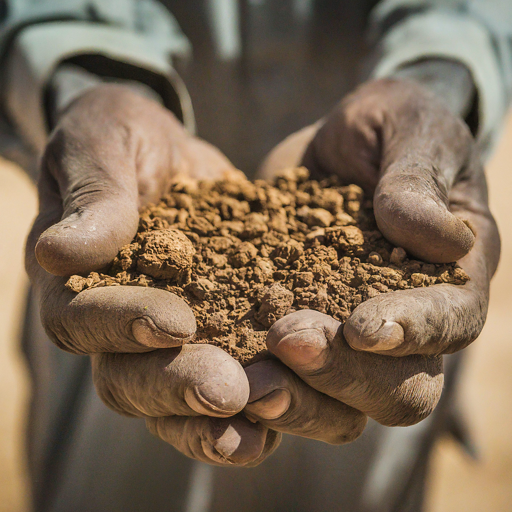
- Desertification and Loss of Arable Land: Chronic droughts, deforestation, and unsustainable agricultural practices have accelerated land degradation and desertification. The loss of productive land not only undermines food security but also increases dust and particulate matter in the environment.
- Chemical Residues: The use of pesticides and fertilizers—often applied without proper guidance or regulation—may lead to chemical residues in the soil. These contaminants can damage ecosystems and enter the human food chain.
Waste Management and Chemical Hazards
- Inadequate Waste Disposal: Conflict and displacement have disrupted formal waste management systems. Open dumping, burning of waste, and improper disposal practices contribute to environmental contamination and vector proliferation.
- Exposure to Hazardous Substances: In the absence of regulated storage and disposal facilities, hazardous chemicals—from agricultural pesticides to industrial byproducts—are often mishandled. Accidental exposures can lead to acute poisoning and long-term health effects.
Climate Change Impacts
- Increased Variability: Climate change is expected to increase the frequency and severity of extreme weather events in Darfur, including droughts and dust storms. These changes further strain water resources and agricultural productivity.
- Long-Term Ecosystem Disruption: Shifts in climate patterns threaten local ecosystems, potentially altering disease vectors and affecting local biodiversity, which in turn influences human health indirectly.
Socio-Economic and Cultural Influences on Environmental Health
Poverty and Vulnerability
- Resource Constraints: Widespread poverty limits the ability of communities to invest in sustainable environmental management practices, purchase cleaner fuels, or secure safer water.
- Health Inequities: Vulnerable populations—such as children, pregnant women, and the elderly—bear a disproportionate impact from environmental hazards due to their limited access to mitigating resources.
Traditional Practices and Community Resilience
- Local Knowledge: Many communities in Darfur have long relied on traditional environmental management techniques. Though not always aligned with modern best practices, these approaches can offer valuable insights when combined with contemporary technology.
- Cultural Beliefs: Traditional perceptions of nature and resource use may influence community responses to environmental interventions. Engaging local leaders is crucial for creating culturally attuned solutions.
Impact on Population Health
- Infectious Diseases: Contaminated water and poor sanitation directly contribute to outbreaks of diarrheal diseases and other waterborne infections.
- Respiratory Illnesses: Prolonged exposure to dust, smoke, and particulate matter increases the prevalence of respiratory conditions among the population.
- Nutritional Deficits and Food Insecurity: Land degradation reduces agricultural productivity, exacerbating malnutrition and food insecurity. This situation further weakens the overall resilience of the community.
- Mental Health: The stress of living in a degraded, unpredictable environment—compounded by the challenges of conflict and economic instability—can have significant psychological and social impacts.
Current Interventions and Policy Responses
Water and Sanitation Programs
- Emergency WASH Initiatives: Numerous international and local humanitarian agencies have implemented water and sanitation projects aimed at providing safe, clean water, renovating latrine facilities, and promoting hygiene education in camps and vulnerable communities.
- Long-Term Infrastructure Development: Some development projects focus on rehabilitating boreholes, installing solar-powered water pumps, and constructing sustainable, community-managed sanitation systems.
Environmental Protection and Rehabilitation
- Reforestation and Land Restoration: Limited reforestation and land rehabilitation projects have been introduced to combat desertification and soil erosion. These efforts also help stabilize the local climate and reduce air-borne dust.
- Waste Management Systems: Pilot programs focused on improving waste collection, recycling, and establishing controlled disposal sites are emerging, but require further scale and sustainability.
Policy and Regulatory Initiatives
- Strengthening Environmental Regulations: Local governments, with support from international agencies, are working to reinforce environmental regulations. However, ongoing conflict and underfunding limit consistent enforcement.
- Data Collection and Monitoring: Initiatives to implement environmental monitoring systems, through mobile data collection and community reporting, are in early stages. Establishing reliable data is critical for targeted public health interventions.
Strategic Recommendations
Infrastructure Investment and Capacity Building
- Enhance Water and Sanitation Facilities: Expand and modernize water supply systems and sanitation infrastructure using resilient, sustainable technologies (e.g., solar-powered solutions).
- Upgrade Waste Management Systems: Invest in community-based waste management facilities and train local personnel on best practices for waste disposal and recycling.
Environmental Monitoring and Regulatory Strengthening
- Develop Robust Monitoring Systems: Utilize digital platforms to track air and water quality, soil conditions, and waste management practices. This data should inform both policy and immediate public health responses.
- Expand Regulatory Oversight: Strengthen collaboration between government agencies, NGOs, and international partners to build and enforce environmental standards. Capacity building for local regulators is essential.
Community Engagement and Education
- Promote Local Leadership: Engage community leaders and traditional knowledge holders in developing culturally relevant environmental management practices.
- Educational Campaigns: Implement community education programs that raise awareness about the health impacts of poor environmental conditions, proper waste management, and sustainable agricultural practices.
Multi-Sectoral Integration
- Integrate Environmental Health with Broader Development: Link environmental initiatives with food security, economic development, and public health programs. Integrated projects can yield synergistic benefits and foster community resilience.
- Foster Regional Collaboration: Collaborate with neighboring regions and international partners to share best practices, resources, and technologies aimed at mitigating environmental degradation.
Environmental health in Darfur is a critical yet complex challenge shaped by decades of conflict, resource scarcity, and enduring natural stressors. The deterioration of water quality, rampant air and soil pollution, ineffective waste management, and the pressures of climate change pose serious risks to the health and well-being of the population. Yet, through strategic investments, capacity building, robust monitoring, and community-driven initiatives, it is possible to forge a path toward a more resilient environment. Improved environmental conditions would not only reduce the incidence of disease but also contribute to food security, economic development, and overall quality of life in Darfur.