

Food safety is a critical aspect of public health, nutrition, and economic stability. In Darfur—a region long affected by conflict, population displacement, and environmental challenges—the safety of the food supply is under constant pressure. Ensuring that food is free from biological, chemical, and physical hazards is vital not only for preventing illness and malnutrition but also for building resilient communities. This report provides an in-depth analysis of the food safety landscape in Darfur, identifies core obstacles, and outlines actionable strategies aimed at mitigating risks and enhancing the overall safety of the regional food supply chain.
Historical and Socio-Political Context
Impact of Conflict and Displacement
- Disrupted Food Systems: The decades-long conflict in Darfur has disrupted conventional food production and distribution mechanisms. Agricultural activities that once supported rural communities were halted or diminished due to insecurity, displacement, and damaged infrastructure. The breakdown of market systems and transportation networks has had a direct impact on the availability and quality of food.
- Humanitarian Crises: Widespread displacement into internally displaced person (IDP) camps has created new challenges. Camps often lack regulated food storage, proper cooking facilities, and accessible markets—conditions that facilitate the risk of contamination and foodborne illnesses.
Economic and Infrastructure Challenges
- Limited Investment: Chronic underinvestment in rural development and food safety infrastructure has left the region with insufficient storage facilities, inadequate transportation networks, and minimal quality control in food processing. This underinvestment exacerbates the challenges posed by environmental stressors like drought, which affect both food abundance and quality.
- Regulatory Gaps: Weak institutional frameworks and limited regulatory oversight, aggravated by ongoing insecurity, have hindered the enforcement of food safety standards. In many communities, traditional practices and informal markets – while crucial for economic survival – often operate without systematic quality assurance measures.
Current Food Safety Environment
Production and Post-Harvest Handling
- Agricultural Practices: In rural areas, subsistence farming remains prevalent. Many farmers utilize traditional methods for cultivation and harvest without access to modern inputs or guidance on safe pesticide use. Limited awareness about best practices for preventing contamination during crop production—such as proper irrigation with clean water—can contribute to unsafe produce.
- Storage and Processing: Lack of adequate storage facilities has led to increased reliance on open-air markets and temporary storage solutions. Poor storage conditions elevate the risk of spoilage, fungal contamination (such as aflatoxin-producing molds), and infestation by pests. The absence of temperature-controlled storage further undermines the integrity of perishable products like dairy, meat, and fresh produce.
Distribution and Market Conditions
- Informal Markets: A large portion of food is traded in informal markets. While these markets are essential for local commerce, they frequently lack oversight and standardized hygiene protocols. Food vendors, often operating from rudimentary stalls, may not have access to safe water for cleaning produce or handwashing, thereby increasing contamination risks.
- Transportation Challenges: Poor road infrastructure and prolonged travel times from production zones to markets amplify risks associated with spoilage and contamination. Inconsistent cold chain management—for food items requiring refrigeration—leads to diminished quality and safety by the time products reach consumers.
Food Preparation and Consumption
- Household Practices: In many households across Darfur, food preparation occurs in environments where access to clean water and sanitation is limited. Traditional cooking methods, while culturally important, may not incorporate recommended food safety practices such as thorough cooking and cross-contamination avoidance.
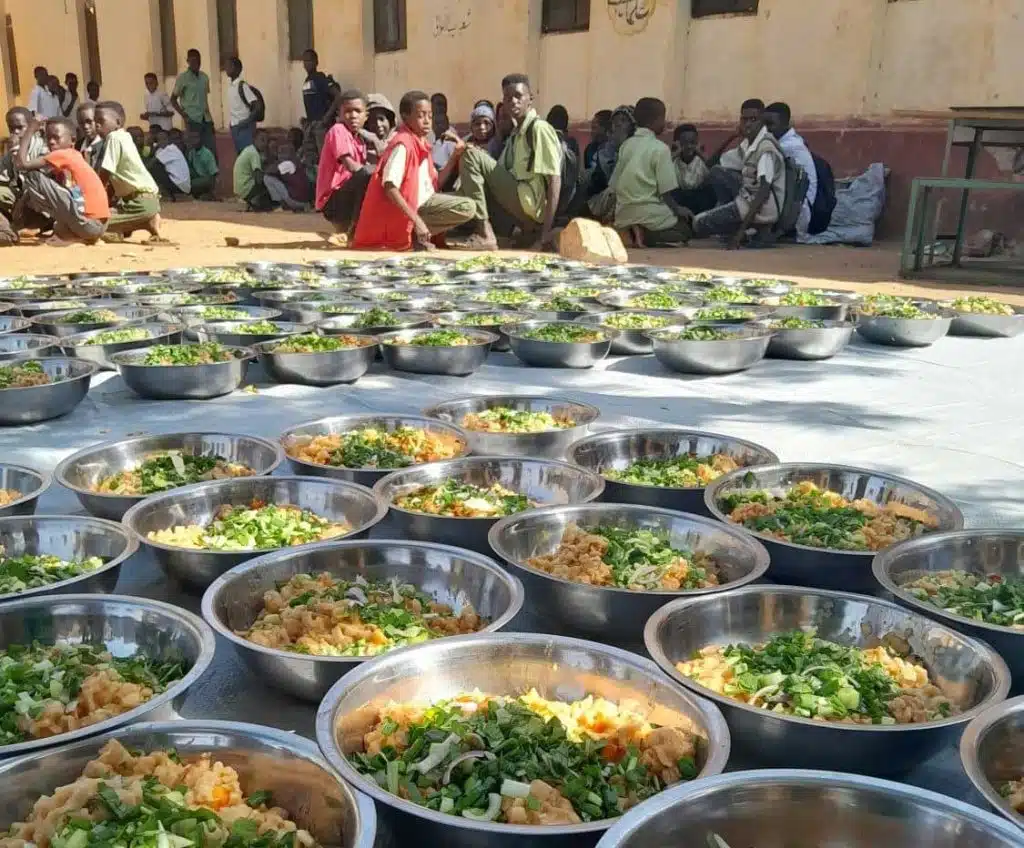
- Institutional Food Provision: Schools, health clinics, and community centers that provide meals often struggle with similar issues. Inadequate facilities and limited training contribute to risks, despite the critical need to protect vulnerable populations like children and pregnant women.
Challenges in Ensuring Food Safety
Environmental Factors
- Arid Climate and Drought: Darfur’s climate places stress on local agriculture. Water scarcity, often exacerbated by drought, forces communities to use marginal water sources that may be contaminated. This increases the risk of chemical and biological hazards in both irrigation and food processing.
- Natural Contaminants: Dust and soil erosion in arid regions can introduce physical contaminants into harvested crops. Additionally, the use of untreated wastewater for irrigation—common in water-stressed environments—can lead to higher levels of microbial contamination.
Infrastructural and Institutional Weaknesses
- Limited Public Health Oversight: With constrained government capacity and limited resources due to protracted conflict, systematic food safety monitoring is challenging. Enforcement of standards, regular inspections, and public training programs are sporadic, affecting the safety of food across the supply chain.
- Fragmented Supply Chains: The disruption in trade and distribution channels creates fragmented supply chains that are difficult to regulate. This fragmentation results in gaps where unsafe practices can flourish without timely intervention.
Socio-Cultural Practices and Economic Constraints
- Traditional Practices: While traditional food preparation methods have sustained communities for generations, they may not always align with modern food safety principles. Changing long-standing practices requires culturally sensitive outreach and education efforts.
- Poverty and Resource Scarcity: Economic hardships force many to prioritize immediate food access over safety considerations. In extreme poverty, investments in safe storage, quality inputs, or proper cooking equipment are often unaffordable, further risking food contamination.
Interventions and Collaborative Responses
International and Non-Governmental Organizations
- Emergency Assistance and Capacity Building: A number of international agencies have stepped in to provide emergency food aid, often coupled with training programs in safe food handling practices. These programs work to introduce better storage techniques, promote safer irrigation methods, and train local traders on hygiene standards.
- Technical Support for Infrastructure Development: Some projects focus on building community-level storage facilities that incorporate basic elements of temperature and humidity control. Sustainable water projects, such as the construction of boreholes and protected wells, have also indirectly supported food safety by improving the quality of water available for agriculture and food preparation.
Local Initiatives
- Community Education Programs: Grassroots organizations and local health committees have initiated educational campaigns that focus on food hygiene, safe agricultural practices, and proper household food storage. These programs are often tailored to local cultural contexts, ensuring that messages resonate with community practices.
- Partnerships with Traditional Leaders: Engaging community leaders and respected figures has proven effective in disseminating food safety messages. By integrating traditional knowledge with modern safety protocols, these partnerships foster greater community buy-in and sustainable change.
Strategic Recommendations
Infrastructure Investment
- Modern Storage Facilities: Investment in community-level storage that uses low-cost but effective technologies—such as solar-powered cooling units—can help preserve food quality and reduce contamination risks.
- Improved Transportation and Cold Chains: Upgrading road networks and establishing reliable cold chain systems will help maintain the quality of perishable items from farm to market.
Institutional Strengthening
- Enhance Regulatory Frameworks: Strengthening governmental capacity to enforce food safety standards is critical. This includes training local inspectors, establishing regular inspection routines, and creating a centralized data system for tracking food safety incidents.
- Promote Public-Private Partnerships: Collaborations between government, local businesses, and international donors can foster investments in infrastructure and technology that benefit the entire supply chain, from production to retail.
Community Engagement and Education
- Tailored Training Programs: Design culturally appropriate training modules for farmers, food vendors, and household cooks that emphasize practical, low-cost improvements in food safety practices.
- Behavior Change Communication: Utilize local media channels, community theater, and peer-to-peer learning networks to build trust and convey the importance of safe food handling practices.
Sustainability Through Innovation
- Adoption of Low-Cost Technologies: Introduce affordable water treatment and storage solutions that can be maintained by local communities. These could include simple filtration systems, solar-powered sanitation facilities, and mobile apps for monitoring food storage conditions.
- Data-Driven Decision Making: Establish a digital platform for reporting food safety incidents and monitoring supply chain disruptions. This data can inform targeted interventions and resource allocation, ensuring that the most vulnerable populations receive necessary support.
Food safety in Darfur is an essential component of broader public health, economic stability, and social resilience. The region’s ongoing challenges—from disrupted food systems due to conflict to environmental constraints and infrastructural deficits—require a coordinated strategy. By investing in robust infrastructure, strengthening institutional oversight, and engaging communities through culturally informed education, it is possible to build a resilient food safety framework.
Such a framework will not only mitigate the risks associated with foodborne illnesses but also contribute to overall food security, ensuring that communities can thrive even in challenging circumstances. Sustainable improvements in food safety should be pursued alongside other development initiatives to foster a healthy, empowered, and resilient Darfur.