
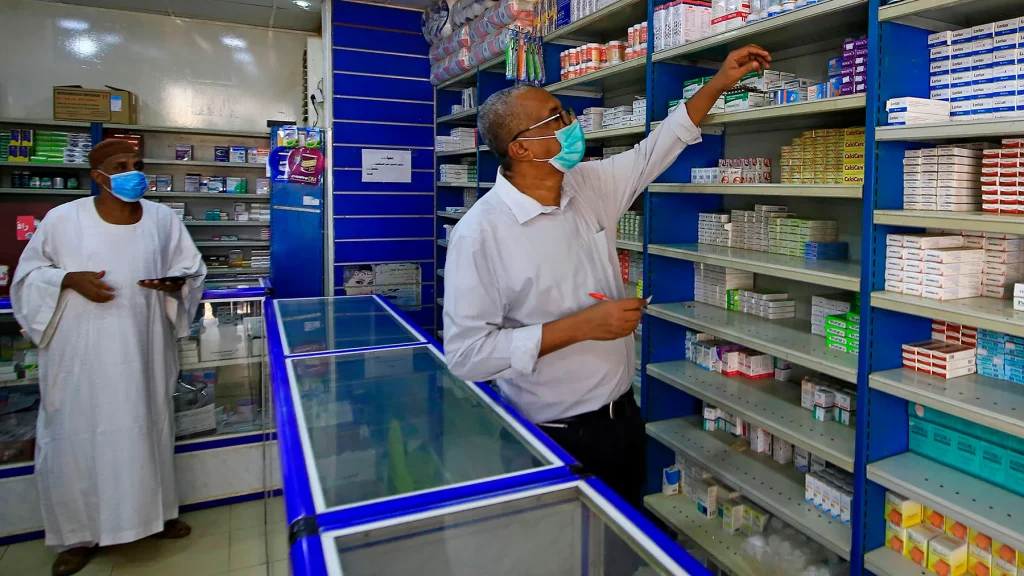
Pharmacies in Darfur serve as critical access points for medications, health advice, and in some cases, basic clinical services. In a region marred by decades of conflict and instability, these outlets not only provide essential drugs but also support community health by bridging gaps created by weakened hospital infrastructures. Their dual role—as health service providers and trusted local resources—makes an in-depth look at the pharmaceutical sector vital for understanding and addressing broader healthcare challenges in Darfur.
Historical and Socioeconomic Context
Pre-Conflict Operations
- Traditional Role: Before the intensification of conflict in the early 2000s, pharmacies in Darfur operated as small, community-based outlets. Located primarily in urban centers such as Nyala and El Fasher, these pharmacies dispensed medications and provided advice in an environment already challenged by limited resources and rural dispersion.
- Limited Regulatory Oversight: Even in more stable times, the regulatory framework for pharmacies and drug quality assurance was underdeveloped. This preexisting vulnerability meant that when the crisis hit, many pharmacies lacked the means to ensure a consistent supply of quality medicines.
Impact of Conflict and Instability
- Displacement and Infrastructure Damage: Decades of armed conflict and displacement have disrupted supply chains and damaged healthcare infrastructures, forcing pharmacies to adapt quickly to changing conditions. Many facilities continue to operate in makeshift conditions or within damaged buildings.
- Economic Constraints: Chronic poverty and economic instability have affected both the purchasing power of the local population and the operational viability of pharmacies, leading to reduced stock and, at times, reliance on informal supply channels.
The Current State of Pharmacies in Darfur
Types of Pharmacies
- Formal, Registered Pharmacies: Predominantly found in urban centers, these pharmacies are typically established under government regulations, even if oversight is sporadic. They offer a mix of prescription and over-the-counter medications, often acting as the first point of contact for patients.
- Informal Outlets: In rural and conflict-affected areas, informal or unlicensed pharmacies are common. These outlets may operate without proper regulatory oversight, which can increase the risk of counterfeit or substandard drugs entering the market.
- NGO-Affiliated Pharmacies: Humanitarian organizations occasionally set up temporary or mobile pharmacy units to provide emergency medication supplies during crises or disease outbreaks. These units play a key role when established supply networks are disrupted.
Services Offered
- Dispensing Medications: Pharmacies primarily function as dispensaries for both chronic and acute medical conditions, supplying antibiotics, pain relievers, and medications for chronic diseases exacerbated by conflict stress.
- Health Information and Advice: Due to limited access to hospitals or trained healthcare professionals, pharmacists often serve as informal primary health advisors, offering guidance on dosage, potential side effects, and basic home care practices.
- Basic Diagnostic Support: Some pharmacies, especially those associated with NGOs, have implemented rudimentary diagnostic services, including blood pressure monitoring and malaria testing, to supplement their medication supply function.
Key Challenges Faced by Pharmacies
Supply Chain Disruptions
- Inconsistent Sources: Pharmacies in Darfur rely heavily on imported medications and aid donations, which are vulnerable to disruptions owing to insecurity, border closures, and damaged transport infrastructure.
- Risk of Counterfeit Drugs: The lack of robust regulatory frameworks and consistent supply chains increases the risk of counterfeit or expired medications reaching patients, compromising treatment outcomes.
Regulatory and Quality Control Issues
- Weak Oversight: Due to ongoing political instability, government oversight of the pharmaceutical sector is often limited. This results in challenges maintaining standardized pharmaceutical practices and quality control.
- Training Gaps: A shortage of formally trained pharmacists means that many pharmacies are run by individuals with limited professional training. Sporadic capacity-building initiatives by NGOs offer some relief, but sustainability remains a concern.
Economic and Operational Constraints
- Affordability: Economic hardship in Darfur limits the purchasing power of communities. Pharmacies, in turn, must balance stocking high-quality medications and pricing them affordably.
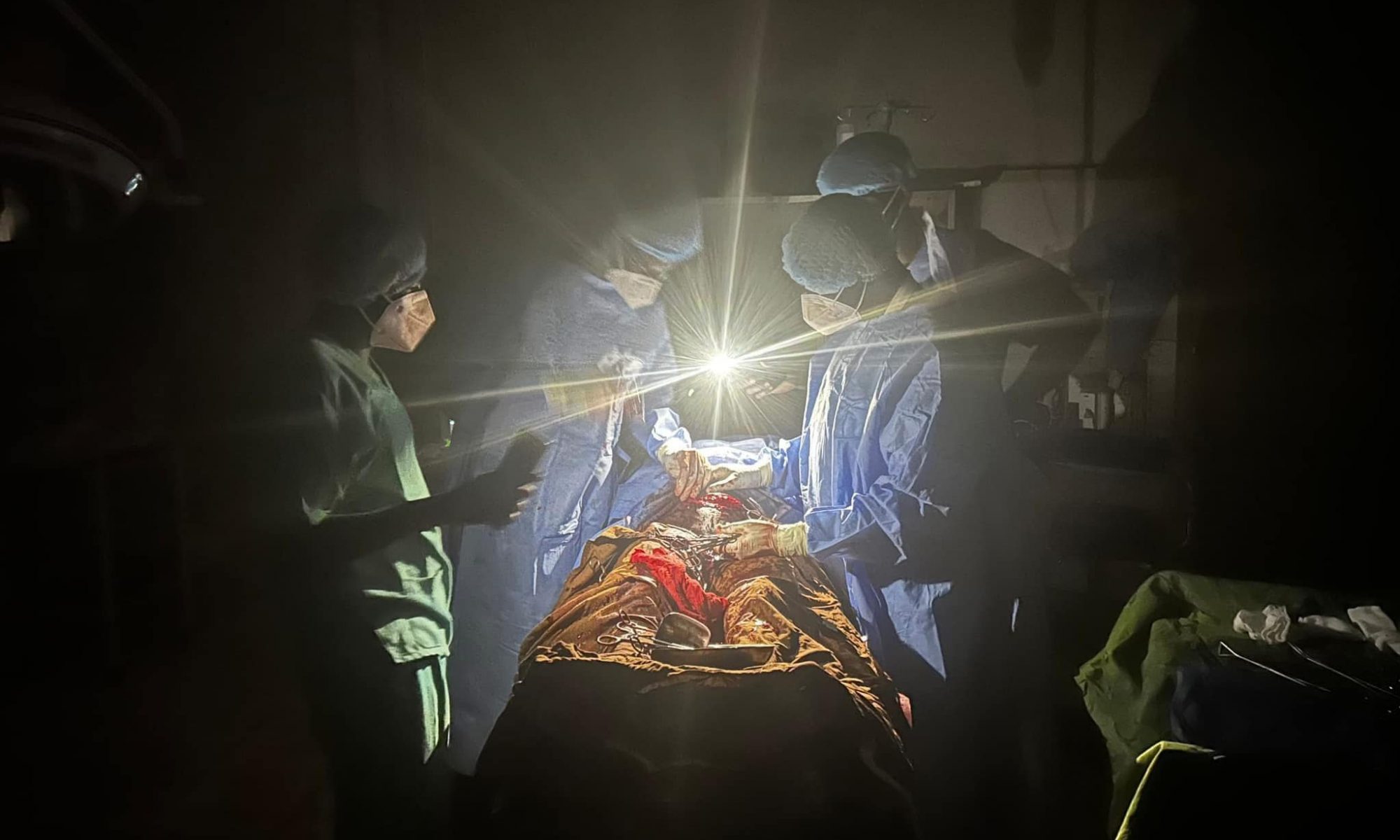
- Infrastructure Limitations: Many pharmacies operate in substandard facilities without reliable electricity or climate control, which is critical for the proper storage of sensitive medications.
Humanitarian Initiatives and Collaborative Responses
NGO and International Support
- Emergency Interventions: Organizations such as Médecins Sans Frontières (MSF) and the International Committee of the Red Cross (ICRC) have periodically established mobile pharmacy units to distribute essential medications during medical emergencies and epidemic outbreaks.
- Capacity Building: International donors and humanitarian organizations have initiated training programs aimed at improving the professional standards among local pharmacy operators, which helps mitigate risks associated with misdispensing or substandard drug use.
Local and Government Actions
- Regulatory Reforms: Efforts to strengthen drug regulation, although challenged by ongoing conflict, have seen some local government mobilizations aimed at establishing better quality control mechanisms and licensing procedures.
- Public-Private Partnerships: Collaborations between the government, NGOs, and private stakeholders hold promise for stabilizing supply chains and establishing networks that enhance the reliability of drug supplies across the region.
Future Directions and Recommendations
Enhancing Supply Chain Resilience
- Diversify Supply Routes: Establishing multiple, reliable supply channels can reduce the risk of disruption. Collaborations with international agencies to create regional storage hubs may help mitigate delays and shortages.
- Implementing Quality Assurance Protocols: The introduction of standardized testing and certification processes for medications can help safeguard against counterfeit drugs, building greater trust in local pharmacy services.
Leveraging Technological Solutions
- Telepharmacy and Digital Tools: Mobile technology could be used to manage inventory, provide remote training, and offer patient consultation services via telepharmacy. These solutions can bridge the gap between urban expertise and rural service delivery.
- Digital Tracking Systems: Implementing technology-driven tracking systems could enhance monitoring of drug quality and supply chain integrity, ensuring that pharmacies maintain higher standards despite local infrastructural challenges.
Capacity Building and Regulatory Reforms
- Training and Certification: Strengthening partnerships with academic institutions and international bodies to offer certification programs for pharmacists is crucial. Ongoing education can raise the standard of care and improve operational outcomes.
- Strengthening Regulatory Frameworks: Local governments need to focus on building robust regulatory systems to monitor pharmacy operations and enforce compliance. This includes better coordination between different levels of authority and the support of international experts.
Pharmacies in Darfur are indispensable to the region’s healthcare system, serving as both medication dispensaries and community health resources in a context where conventional health infrastructure is compromised. Despite significant challenges—ranging from disrupted supply chains and regulatory weaknesses to economic pressures and infrastructural limitations—the resilience and adaptability of pharmacy services offer hope. With targeted interventions, enhanced regulatory oversight, and innovative technological solutions, these critical nodes can be transformed into more reliable and effective components of Darfur’s broader healthcare framework.