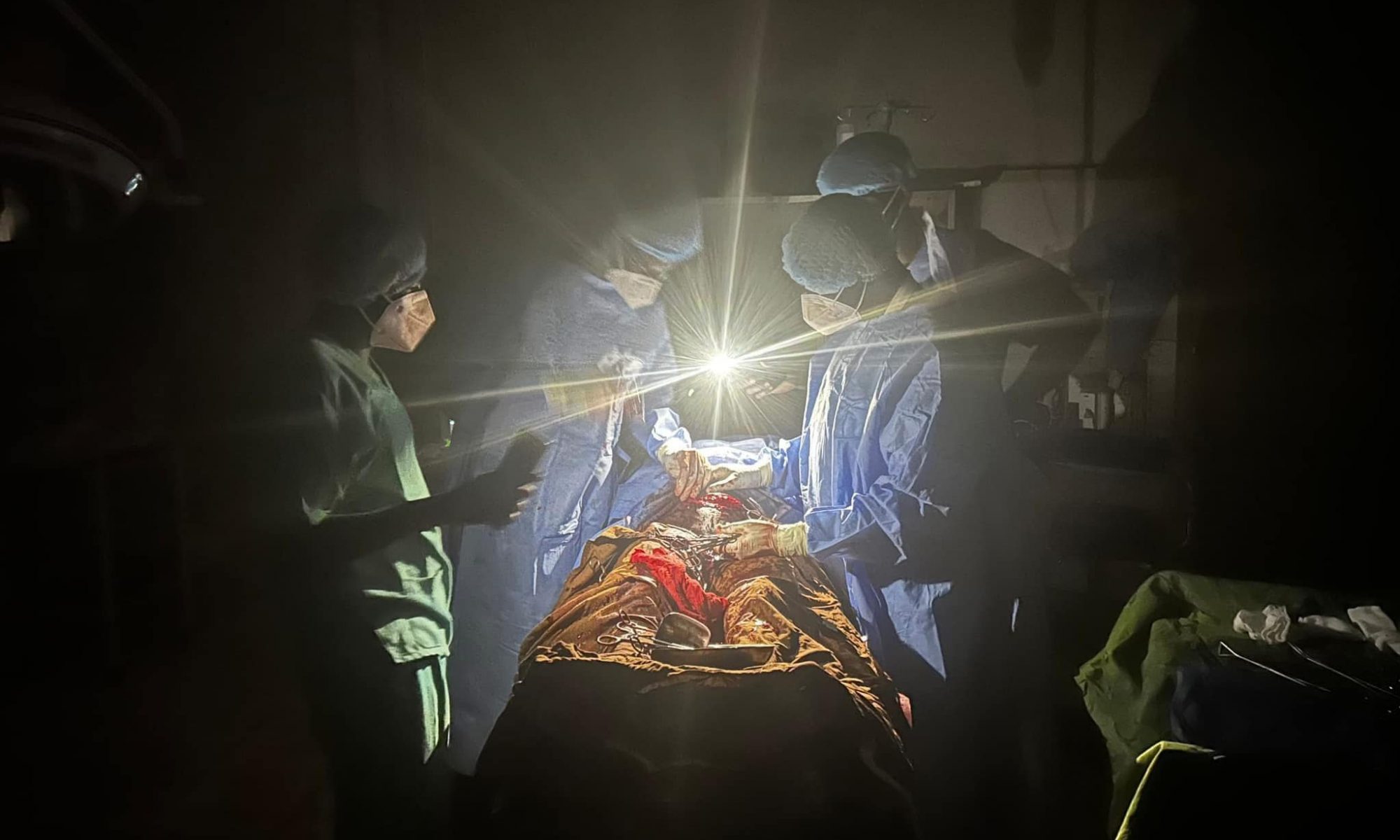

Secondary health care refers to specialized medical services typically provided by hospitals and facilities that offer more complex, diagnostic, and treatment options beyond basic primary care. In Darfur—a region long marred by conflict and humanitarian crises—secondary health care plays a pivotal role in managing complications, surgical emergencies, and conditions that require specialist intervention. This report provides an in-depth analysis of the delivery of secondary health care in Darfur, exploring its historical development, current infrastructure, and potential future directions.
Historical and Socio-Political Context
Darfur’s secondary health care system has evolved against a backdrop of prolonged conflict, displacement, and underinvestment. Before the escalation of hostilities in the early 2000s, health care resources were already limited. The disruption wrought by conflict led to the destruction and neglect of what few secondary-level facilities existed. Humanitarian agencies initially set up a patchwork of temporary secondary care units within larger cities and strategic towns to address urgent needs such as trauma care, complex infections, and emergency obstetrics. Over time, these interventions created a stopgap system where specialized care was available to only a fraction of the population, highlighting persistent imbalances in health service delivery.
Structure of Secondary Health Care
Facilities and Infrastructure
Secondary health care in Darfur is primarily centered around district and referral hospitals—most of which are located in urban centers or areas perceived to be relatively safer. These facilities are designed to offer:
- Emergency and Trauma Services: Responding to injuries from conflict-related violence as well as road accidents and other emergencies.
- Surgical Care: Including general surgery, obstetric emergencies (such as cesarean sections), and trauma surgery.
- Diagnostic Services: Laboratories, radiology units, and specialized imaging capabilities, albeit often limited by equipment shortages.
- Specialized Consultations: Departments for internal medicine, pediatrics, obstetrics and gynecology, and infectious disease management are critical for handling non-communicable diseases and complications arising from chronic infections.
Referral Systems and Integration
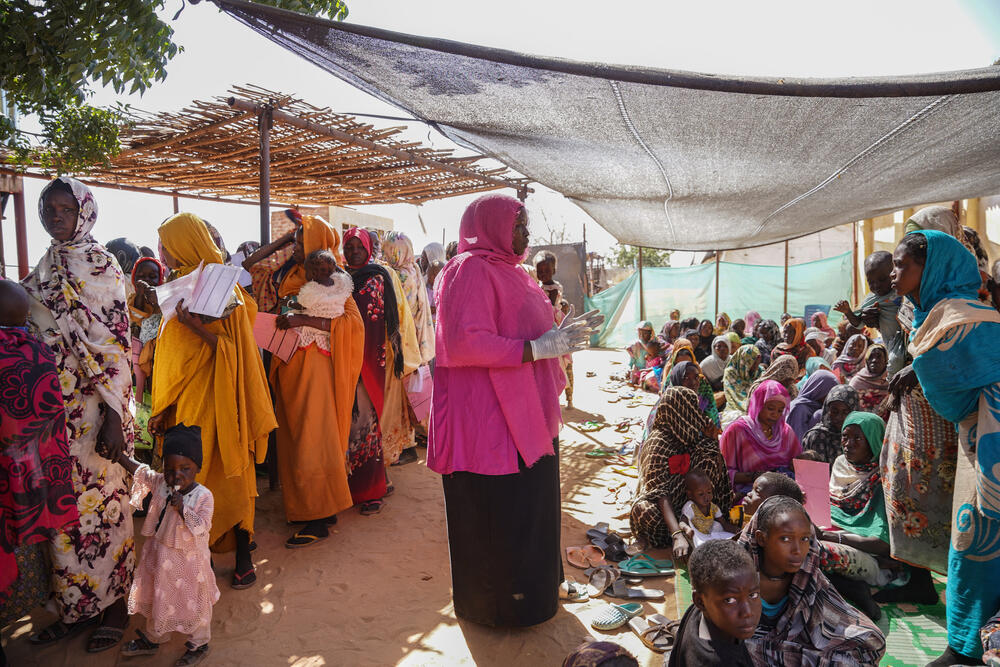
Given the limited number of secondary care facilities, referral systems are crucial. Primary health care centers serve as the first point of contact, where cases that exceed their capacity are referred to secondary facilities. However, weak communication channels and transportation challenges often lead to delays in care. Efforts to establish clearer referral protocols and better linkages between primary and secondary levels are ongoing in some parts of Darfur, though progress is uneven.
Human Resources and Equipment
Secondary care heavily depends on the availability of trained specialists—such as surgeons, anesthesiologists, obstetricians, radiologists, and dedicated nursing staff. Unfortunately, the persistent conflict has led to a considerable exodus of skilled personnel, leaving many facilities chronically understaffed. Additionally, aging infrastructure, intermittent power supplies, and shortages of modern diagnostic and surgical equipment further hinder the quality of care.
Current State of Secondary Health Care
Geographical Distribution and Accessibility
In Darfur, secondary care facilities are unevenly distributed. Major towns like El Fasher and Nyala often house the region’s better-equipped hospitals. However, many communities remain isolated from these centers due to long distances, poor road networks, and ongoing security risks. Consequently, patients in remote areas frequently experience delays in receiving specialized care, exacerbating health outcomes.
Service Provision and Patient Care
Where secondary services are available, they provide critical interventions:
- Emergency Response: Rapid treatment for trauma and emergencies, which is especially significant in conflict zones.
- Maternal and Child Health Services: Addressing complications that cannot be managed at the primary care level, such as hemorrhage control and complex deliveries.
- Chronic Disease Management: Though not as developed as in more stable regions, secondary facilities are tasked with monitoring conditions like tuberculosis, HIV, and other infectious diseases that require specialized management.
Despite these services, secondary facilities frequently struggle with limitations in diagnostic accuracy, inter-departmental coordination, and the availability of advanced medications and surgical supplies.
Challenges in Secondary Health Care
Several systemic challenges impede the effectiveness of secondary health care in Darfur:
- Infrastructural Damage and Underinvestment: Decades of conflict have left many hospital buildings in disrepair, with an acute need for reconstruction and modernization.
- Human Resource Shortages: The scarcity of specialized health professionals undermines service quality. Training programs and the retention of skilled personnel remain inadequate given ongoing security concerns.
- Supply Chain Disruptions: Frequent interruptions in the delivery of medications, surgical instruments, and diagnostic equipment limit the ability of secondary facilities to function continuously.
- Security and Mobility Issues: Escalating security challenges deter both patients and health workers from traveling to and from health facilities, which directly impacts timely access to care.
- Dependence on External Support: Secondary health care in Darfur is heavily reliant on international humanitarian and development assistance. Funding volatility and shifting donor priorities make long-term planning problematic.
International and Local Initiatives
Humanitarian and International Efforts
Several international organizations have stepped in to bolster secondary health services in Darfur. Entities like the World Health Organization (WHO), Médecins Sans Frontières (MSF), and UNICEF have provided:
- Emergency Surgical Units: Setting up temporary operating theaters and trauma care centers to address immediate needs.
- Capacity-Building Programs: Training local health workers and specialists to improve service quality and sustainability.
- Equipment Supplies: Donating critical diagnostic machines and surgical instruments, albeit on an intermittent basis.
These efforts have helped stabilize certain facilities, yet they often serve as short-term solutions rather than components of a coherent, long-term framework.
Local Government and Community-Based Responses
Local health authorities, despite resource constraints, are working to re-establish and expand services. Initiatives include:
- Integrated Referral Systems: Efforts to better coordinate care between primary and secondary levels.
- Reconstruction Projects: Government-authorized projects aimed at refurbishing hospital facilities, though progress is slow due to funding and security issues.
- Local Partnerships: Collaborations with community organizations to enhance outreach and follow-up care, which are essential for building trust and ensuring continuity in treatment.
Opportunities and Recommendations
Strengthening Infrastructure
A key avenue for improvement lies in reinvesting in and modernizing hospital infrastructure. This includes:
- Reconstruction and Upgrading: Prioritizing the rehabilitation of existing secondary facilities and constructing new centers where feasible.
- Reliable Utilities: Investing in sustainable power, water, and sanitation solutions to minimize service interruptions.
Human Resource Development
Addressing workforce challenges involves:
- Focused Training Programs: Establishing partnerships with national medical schools and international institutions to develop training modules tailored to secondary care needs in conflict settings.
- Retention Incentives: Creating incentives for health professionals to remain in or return to conflict-affected areas through financial rewards, professional development opportunities, and improved working conditions.
Strengthening Supply Chains and Partnerships
Ensuring a steady flow of essential supplies can be achieved by:
- Improving Logistical Networks: Enhancing transportation and storage systems to secure consistent delivery of medications and equipment.
- Strategic Partnerships: Expanding collaborative frameworks between government bodies, NGOs, and international donors to create more predictable and coordinated funding streams.
Embracing Technological Innovations
The integration of digital health tools can mitigate many logistical challenges:
- Telemedicine Platforms: Connecting secondary care providers with remote specialists can expand reach and improve diagnostic accuracy.
- Data Management Systems: Implementing robust electronic health records and supply chain monitoring systems enhances tracking and resource allocation.
Future Outlook and Conclusion
The future of secondary health care in Darfur hinges on the ability to transition from fragmented emergency responses to a sustainable, resilient system. While continual challenges—ranging from infrastructural deficits and human resources shortages to security concerns—complicate matters, the potential for recovery exists. With coordinated efforts between local governments, international agencies, and community organizations, secondary health care in Darfur can evolve into a system that not only responds effectively to emergencies but also delivers comprehensive, specialized care over the long term.
Conclusion: Secondary health care is a linchpin for improving overall health outcomes in Darfur. By reinforcing hospital infrastructure, bolstering specialized human resources, securing supply chain stability, and leveraging technological advancements, the prospects for a well-functioning secondary care network are promising. This transformation can empower communities to transition from reliance on emergency interventions toward a robust, sustainable health care paradigm in a region that has borne much hardship.