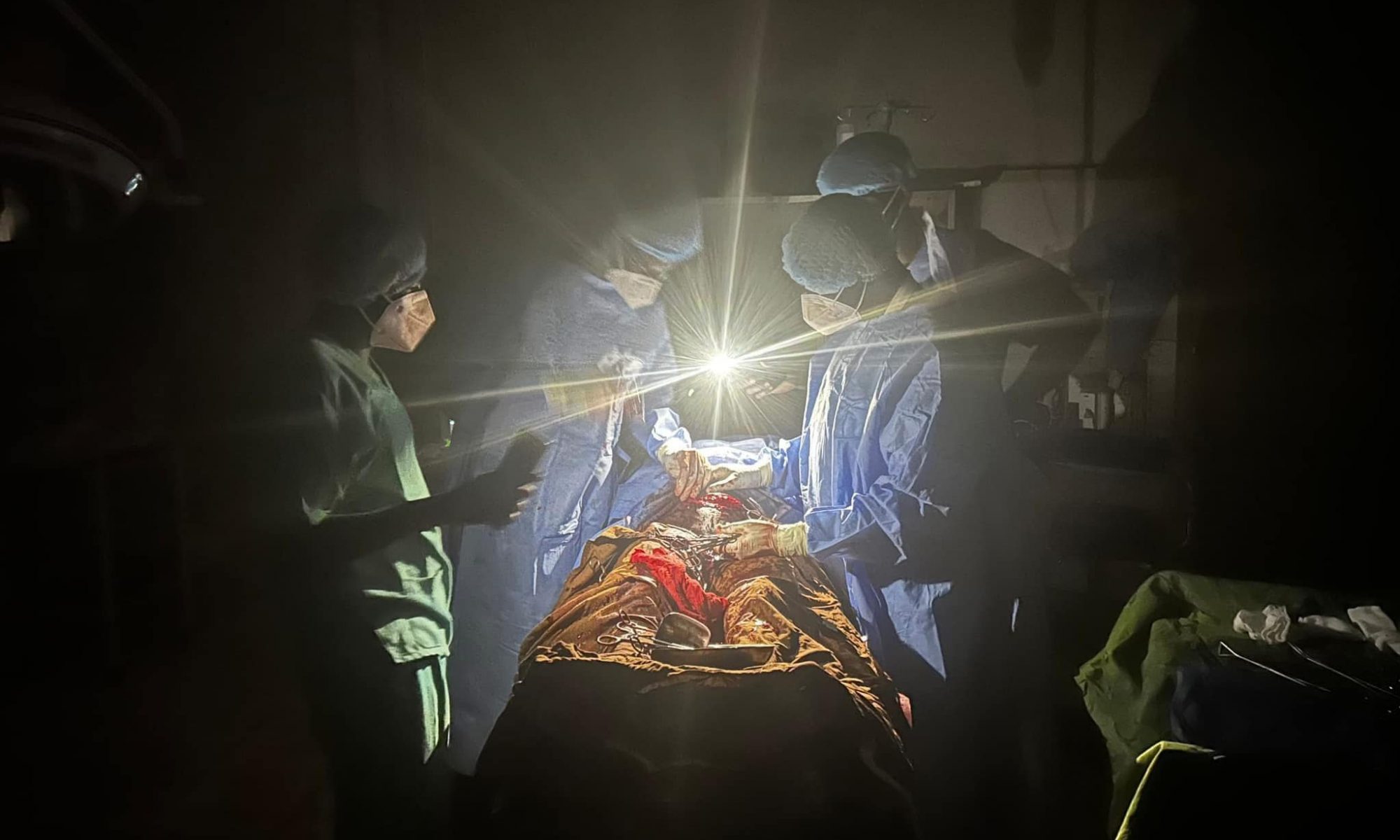

Health sciences education is an essential pillar for building resilient healthcare systems, particularly in regions where conflict, humanitarian challenges, and resource scarcity intersect. In Darfur—a region marked by ongoing instability and a host of public health challenges—investments in education serve not only as an engine for economic and social development but also as a means to train a cadre of professionals who can address immediate and long-term health needs. This report outlines the evolution, current condition, and opportunities for growth in health sciences education in Darfur.
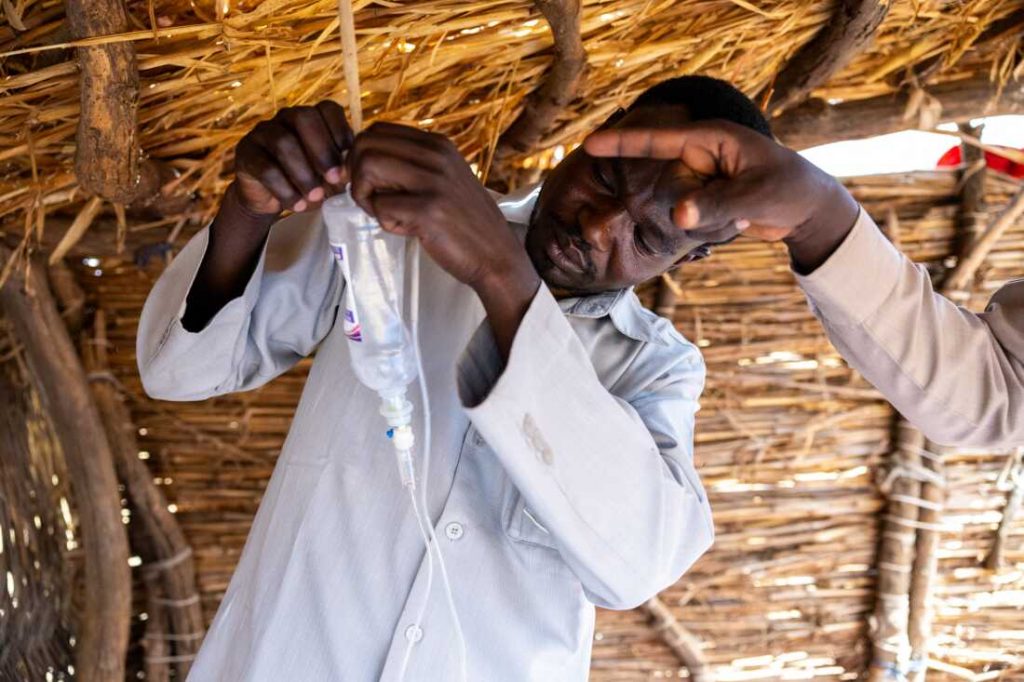
Background and Context
Darfur, located in western Sudan, has a long and multifaceted history. The region’s complex socio-political environment, marked by conflict and displacement, has deeply affected every aspect of social infrastructure—including education. Health services have been significantly challenged by a legacy of instability, resulting in a dire need for well-trained healthcare professionals who are not only versed in modern medicine but are also adept at managing the unique consequences of prolonged crises. In such an environment, health sciences education becomes a critical tool for rebuilding community resilience and ensuring that even marginalized or remote areas can access quality care.
In recent years, incremental progress has emerged despite these adversities. Local institutions, sometimes in partnership with international organizations, have adapted curricula and teaching methods to address both conventional medical needs and the distinctive challenges imposed by conflict and underdevelopment.
Evolution and Current Developments
Even amid persistent difficulties, Darfur’s educational sector has witnessed gradual developments with respect to health sciences. Local universities and training centers have introduced programs for nursing, midwifery, public health, and emergency care. These programs are designed with dual objectives: to provide solid foundational training in health sciences and to equip students with practical, context-specific skills such as trauma care, disaster response, and community health management.
Key developments include:
- Curricular Integration: Traditional subjects like anatomy, physiology, pathology, and pharmacology are now often paired with specialized courses addressing local health issues (e.g., infectious diseases, mental health, and maternal-child health).
- Practical Training: Given the limited clinical infrastructure, community-based training and on-the-job learning have become vital components, with students frequently engaging in fieldwork and public health outreach in nearby communities.
- International Collaborations: Strategic partnerships with global health organizations and academic institutions have facilitated improvements in curriculum design and the introduction of modern teaching resources.
A summarized view of the evolving academic offerings is presented in the table below:
| Program/Course | Focus Area | Target Outcome |
|---|---|---|
| Nursing and Midwifery | Patient care, maternal and child health | Graduates equipped for rural and community outreach |
| Public Health | Epidemiology, sanitation, preventive care | Enhanced community health and disease prevention strategies |
| Emergency Medicine | Trauma care, disaster response, acute medical interventions | Rapid response capability during crises |
| Allied Health Programs | Medical laboratory sciences, radiography, diagnostic imaging | Support services for comprehensive clinical care |
Curriculum and Pedagogical Approaches
Health sciences curricula in Darfur have been uniquely tailored to confront the intersection of traditional medical education with region-specific challenges:
- Core Health Sciences: Courses covering the biomedical sciences form the backbone of the curriculum, ensuring that students gain a strong understanding of the human body, disease processes, and treatment methods.
- Specialized Modules: Recognizing local needs, many programs integrate modules on disaster management, mental health (critical in post-conflict settings), and community health promotion.
- Experiential Learning: With limited laboratory facilities and clinical centers, innovative strategies—such as simulation-based training, mobile clinics, and partnerships with non-governmental organizations (NGOs)—are leveraged to reinforce theoretical knowledge with practical experience.
- Culturally Relevant Education: Curricular content is often adapted to reflect local languages, cultural practices, and the specific epidemiological profile of the region, enhancing the relevance and applicability of the education provided.
These efforts underscore a commitment not only to academic rigor but also to community relevance, ensuring that graduates are well-prepared to address the distinctive challenges of their home region.
Infrastructure and Resource Challenges
A major barrier to the advancement of health sciences education in Darfur is inadequate infrastructure. Many institutions operate with limited financial resources, outdated equipment, and fragile physical facilities—all products of years of conflict and underinvestment. Specific challenges include:
- Facility Limitations: Outmoded classrooms and clinical training spaces hamper the ability to deliver hands-on, experiential learning.
- Technological Gaps: A lack of advanced teaching equipment and internet connectivity limits access to digital learning materials and remote collaboration with international experts.
- Human Resources: The persistent scarcity of qualified faculty—with many experts choosing to work in more stable or better-resourced areas—forces local institutions to rely on a limited pool of educators, who often bear heavy teaching loads and multiple responsibilities.
- Research Capacity: Limited laboratory facilities and funding constraints also hinder the development of a robust research culture, which is essential for evidence-based improvements in healthcare delivery.
Addressing these challenges is critical for reversing the longstanding limitations imposed by conflict and for creating an environment in which future healthcare professionals can thrive.
Role of Partnerships and International Organizations
Local institutions in Darfur have increasingly sought partnerships with international organizations to mitigate the challenges of resource scarcity and infrastructural deficits. Some of the key benefits of such collaborations include:
- Financial and Technical Support: Agencies such as the World Health Organization (WHO), Médecins Sans Frontières (MSF), and other global partners have provided grants, expertise, and material resources to support educational and infrastructural development.
- Curricular Assistance: International academic collaborations have helped local institutions update their curricula, introduce e-learning platforms, and establish simulation labs, thereby enhancing both the quality and scope of education.
- Capacity Building: Initiatives focused on teacher training and professional development have gradually increased the number of skilled educators, while also fostering a culture of continuous learning and research.
- Community Outreach Programs: Collaborative projects have also extended into community health, where students and faculty work side by side with local populations to address immediate health issues and to implement preventive care strategies.
These partnerships serve as a model for leveraging global expertise and resources to build sustainable, locally adapted educational systems in the face of persistent challenges.
Impact on Community Health and Future Directions
The ripple effects of strengthening health sciences education in Darfur extend far beyond academia. Graduates trained in these programs are increasingly becoming the backbone of local healthcare systems, offering essential services in areas that have long suffered from inadequate access to medical care. This transformation is evident in several areas:
- Improved Public Health Outcomes: By training professionals who understand local health challenges, communities benefit from more culturally sensitive care, improved health literacy, and better disease prevention strategies.
- Enhanced Crisis Response: With specialized training in emergency medicine and disaster response, new graduates are better equipped to serve during humanitarian crises, potentially saving lives and reducing long-term public health burdens.
- Community Empowerment: Education initiatives that involve community participation not only build skills but also foster a sense of ownership and empowerment among local populations.
For the future, it is crucial to continue expanding these educational efforts. Greater investment in infrastructure, ongoing capacity development for educators, and an increased focus on research tailored to the region’s needs are essential steps toward establishing a self-sustaining, high-quality healthcare system in Darfur.
Recommendations
To further enhance health sciences education in Darfur, the following recommendations are proposed:
- Infrastructure Development:
- Modernize educational facilities including clinical training centers and simulation labs.
- Increase investment in digital technologies to facilitate e-learning and telemedicine initiatives.
- Faculty Development and Retention:
- Initiate continuous professional development programs to build local teaching capacity.
- Incentivize qualified professionals to remain in or return to the region through competitive remuneration and career growth opportunities.
- Curriculum Enhancement:
- Regularly update curricula to incorporate current global health trends and region-specific health challenges.
- Foster innovation by integrating research methods and evidence-based teaching practices.
- Strengthening Partnerships:
- Expand collaborations with international agencies, academic institutions, and NGOs to secure technical and financial support.
- Create exchange programs that bring in experts and allow students to gain exposure to advanced healthcare practices.
- Community-Based Learning:
- Develop outreach programs that allow students to engage directly with local communities, ensuring that theoretical knowledge can be applied in real-world settings.
- Encourage service-learning initiatives that address prevalent health issues such as infectious diseases, maternal and child health, and mental health challenges.
Despite the enduring challenges posed by political instability and resource constraints, health sciences education in Darfur is gradually emerging as a beacon of hope and resilience. The combined efforts of local institutions, governmental bodies, and international partners have initiated positive changes that not only support academic growth but also have a transformative impact on community health. By investing in infrastructure, nurturing talent through continuous professional development, and fostering meaningful partnerships, Darfur can build a sustainable education system that develops professionals capable of meeting both current and future healthcare needs.
In considering these developments, it becomes clear that the future of Darfur’s health sciences education—and by extension, its public health landscape—depends on a coordinated strategy that is both innovative and responsive to local realities. Stakeholders are encouraged to continue building upon these foundations, ensuring that the community reaps the benefits of a well-trained, agile, and compassionate healthcare workforce.