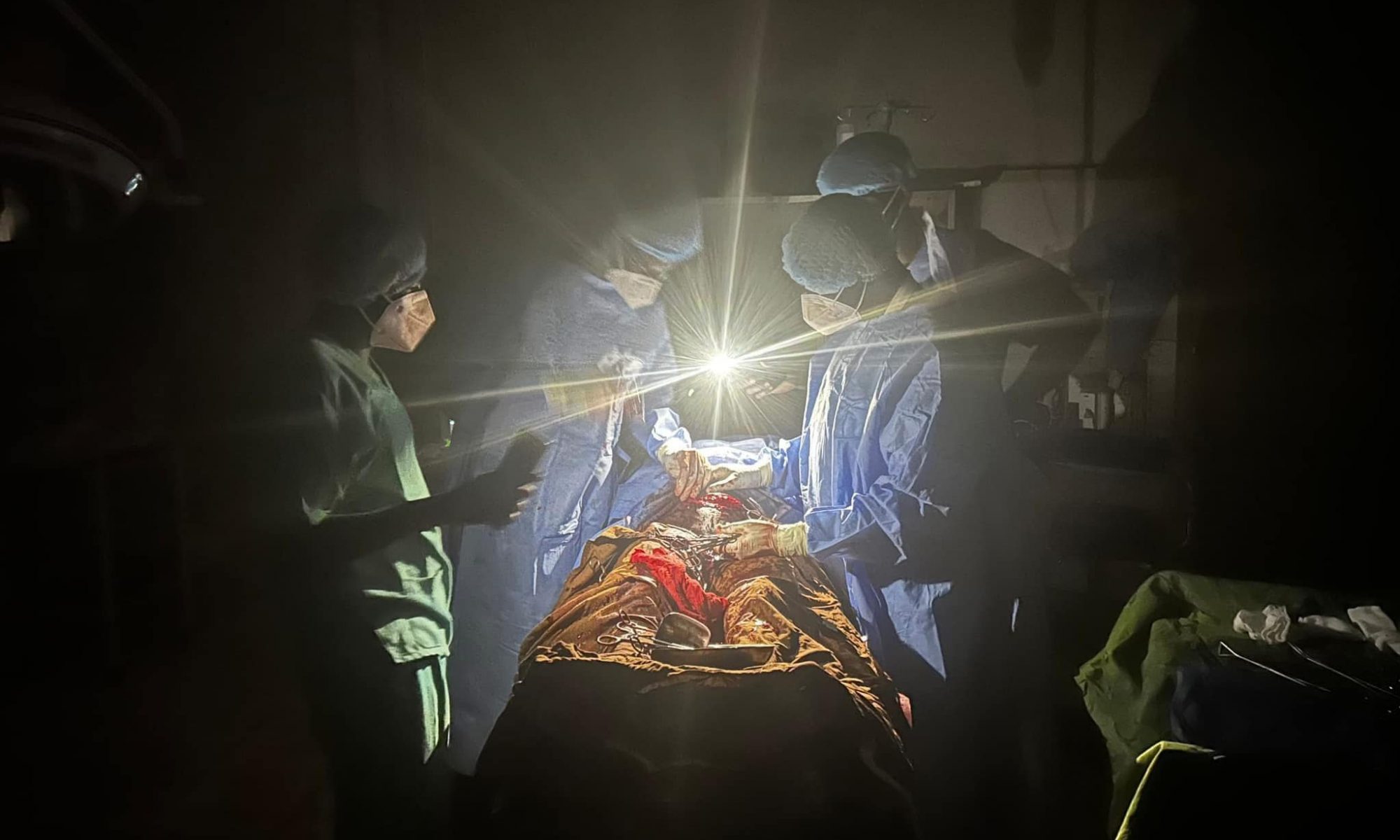

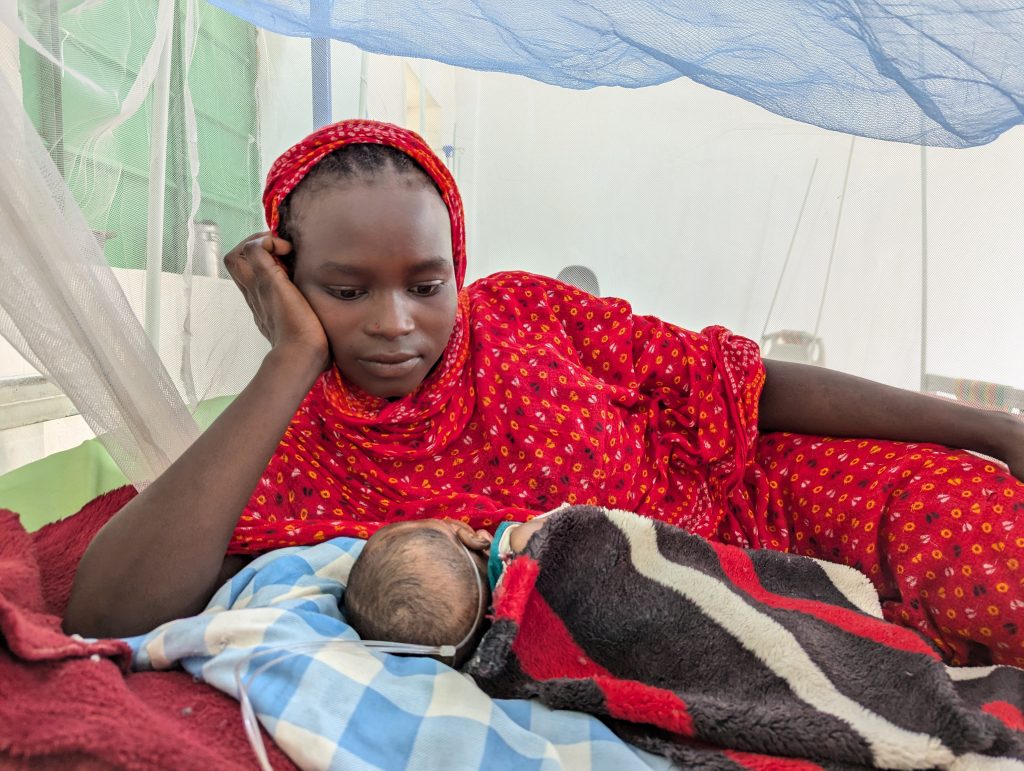
Maternal health is a critical component of public health that reflects the overall well-being of a society. In Darfur—a region marked by prolonged conflict, population displacement, and economic hardship—maternal health challenges are profound. High maternal mortality ratios, inadequate access to skilled care during pregnancy and delivery, and limited postnatal services together underscore the urgent need for comprehensive interventions. This report explores the multifaceted issues affecting maternal health in Darfur and outlines strategic recommendations to promote safer motherhood and long-term community resilience.
Historical and Contextual Background
Pre-Conflict Landscape
Before widespread conflict, maternal health in Darfur was largely shaped by traditional practices and informal modes of care. Local midwives and traditional birth attendants played a central role in childbirth. While indigenous knowledge provided some support for maternal well-being, formal healthcare services were sparse, and preventive measures such as antenatal care and emergency obstetric services were minimal.
Impact of Conflict and Displacement
Since the onset of conflict in the early 2000s, the region has experienced:
- Infrastructure Destruction: Health facilities have been damaged or destroyed, reducing the availability of essential maternal services.
- Mass Displacement: Frequent population movements have disrupted community structures, with many women forced to seek care in overcrowded refugee or internally displaced person (IDP) camps where quality services are limited.
- Fragmented Health Systems: Political instability and weak governance have led to a fragmented healthcare system where maternal health programs are often dependent on intermittent humanitarian interventions.
Determinants of Maternal Health in Darfur
Socioeconomic Factors
- Poverty: Widespread economic hardship constrains access to nutrition, transport, and even basic healthcare, increasing maternal vulnerability.
- Educational Limitations: Low literacy rates and limited awareness about reproductive health contribute to late or infrequent use of antenatal and postnatal services.
- Gender Inequality: Social norms and gender dynamics limit women’s decision-making power regarding their reproductive health and access to services.
Geographic and Environmental Factors
- Rural Isolation: Many communities in Darfur are remote with poor transportation networks, making it difficult for pregnant women to reach health facilities, especially during emergencies.
- Harsh Living Conditions: Periodic droughts and food insecurity further exacerbate nutritional deficits, complicating pregnancies and contributing to higher morbidity.
Current Maternal Health Situation
Health Service Delivery
- Antenatal Care: Access to antenatal services is sporadic. Many women do not receive the recommended number of antenatal visits, reducing opportunities for risk assessment and early intervention.
- Skilled Birth Attendance: A significant proportion of births occur at home with traditional birth attendants rather than at equipped health facilities. This is due both to cultural practices and the limited availability of qualified health professionals.
- Emergency Obstetric Care: Obstetric emergencies such as hemorrhage, eclampsia, and obstructed labor are major contributors to maternal deaths. However, the capacity for timely referral and emergency intervention is limited by inadequate infrastructure and resource constraints.
- Postnatal Services: Postnatal follow-up is minimal, which impedes the early detection and management of complications for both mothers and newborns.
Health Outcomes
- Maternal Mortality: Reports from humanitarian assessments indicate that maternal mortality ratios remain high, largely due to delays in accessing emergency care, poor infrastructure, and insufficient capacity for managing complications.
- Morbidity: Chronic maternal health problems, including anemia and malnutrition, are common among pregnant women, further increasing the risk of adverse outcomes.
Challenges Affecting Maternal Health
Insecurity and Infrastructure
- Security Constraints: Continuous conflict and episodic violence hinder the safe delivery of healthcare services. Health workers and pregnant women alike are exposed to risks while traveling to clinics or during delivery.
- Deficient Health Facilities: Many health centers operate under substandard conditions. Inadequate equipment, unreliable electricity, and shortages of essential medicines (such as uterotonics and antibiotics) undermine quality care.
Human Resources and Capacity
- Shortage of Skilled Personnel: The region faces a critical shortage of trained obstetricians, midwives, and nurses. The brain drain of skilled professionals due to insecurity further weakens the workforce.
- Limited Training and Support: Opportunities for continuous professional development are scarce, and health workers often lack updates on current best practices in maternal care.
Financial and Logistical Barriers
- Out-of-Pocket Costs: With limited social safety nets, many women must pay for services, which restricts utilization, particularly for impoverished families.
- Transportation Difficulties: Poor road networks and high transportation costs delay access to emergency care, contributing to the “three delays” model (delay in seeking, reaching, and receiving care).
Intervention Strategies and Programs
Strengthening Maternal Health Services
- Establishing Mobile Clinics: Mobile health units can extend the reach of antenatal and emergency services to remote areas and IDP camps.
- Upgrading Health Facilities: Investment in rehabilitation and construction of resilient maternal health centers is essential. This includes ensuring reliable power sources, proper product storage (for vaccines and medications), and equipped delivery rooms.
Capacity Building and Human Resources
- Training Programs: Implement continuous training for midwives, nurses, and doctors with an emphasis on emergency obstetric care, safe delivery practices, and postnatal management.
- Community Health Worker (CHW) Initiatives: Expand CHW programs to include maternal health components. Trained community workers can provide basic prenatal education, identify complications early, and assist with referrals.
Community Engagement and Education
- Health Promotion Campaigns: Use community meetings, local radio broadcasts, and culturally appropriate educational materials to promote early antenatal care, skilled birth attendance, and recognition of danger signs during pregnancy.
- Empowerment of Women: Initiatives that increase women’s autonomy are crucial. Programs to educate women on their rights and to facilitate access to reproductive health services can improve health seeking behaviors.
Improving Policy and Financing
- Innovative Financing Models: Community-based insurance schemes and targeted donor funds can help reduce the financial burden on families and ensure sustainable service delivery.
- Integrated Policy Approaches: Policies should aim to integrate maternal health into broader public health and emergency response frameworks, ensuring that investments support both immediate care and long-term system strengthening.
Policy Recommendations and Strategic Directions
- Enhance Infrastructure: Focus on building and rehabilitating health facilities primarily dedicated to maternal care in rural and conflict-affected areas.
- Expand Training: Increase training programs for maternal health professionals and CHWs, and develop incentive programs to retain skilled health workers.
- Strengthen Data Systems: Improve surveillance and data collection on maternal health indicators to design evidence-based interventions.
- Support Community-Based Initiatives: Involve local leaders and women’s groups in designing maternal health programs that are culturally sensitive and community driven.
- Foster Multi-Stakeholder Partnerships: Encourage collaboration among government entities, NGOs, donor agencies, and community organizations to ensure a coordinated response.
Maternal health in Darfur remains deeply challenged by the legacies of conflict, persistent insecurity, infrastructural deficits, and human resource shortages. Yet, the critical role of safe motherhood in ensuring community well-being and long-term stability cannot be overstated. By investing in robust infrastructure, capacity building, community engagement, and integrated policy responses, stakeholders can begin to reverse the adverse trends in maternal mortality and morbidity. Strengthening maternal health services not only saves lives—it lays the foundation for stronger, more resilient communities in Darfur.