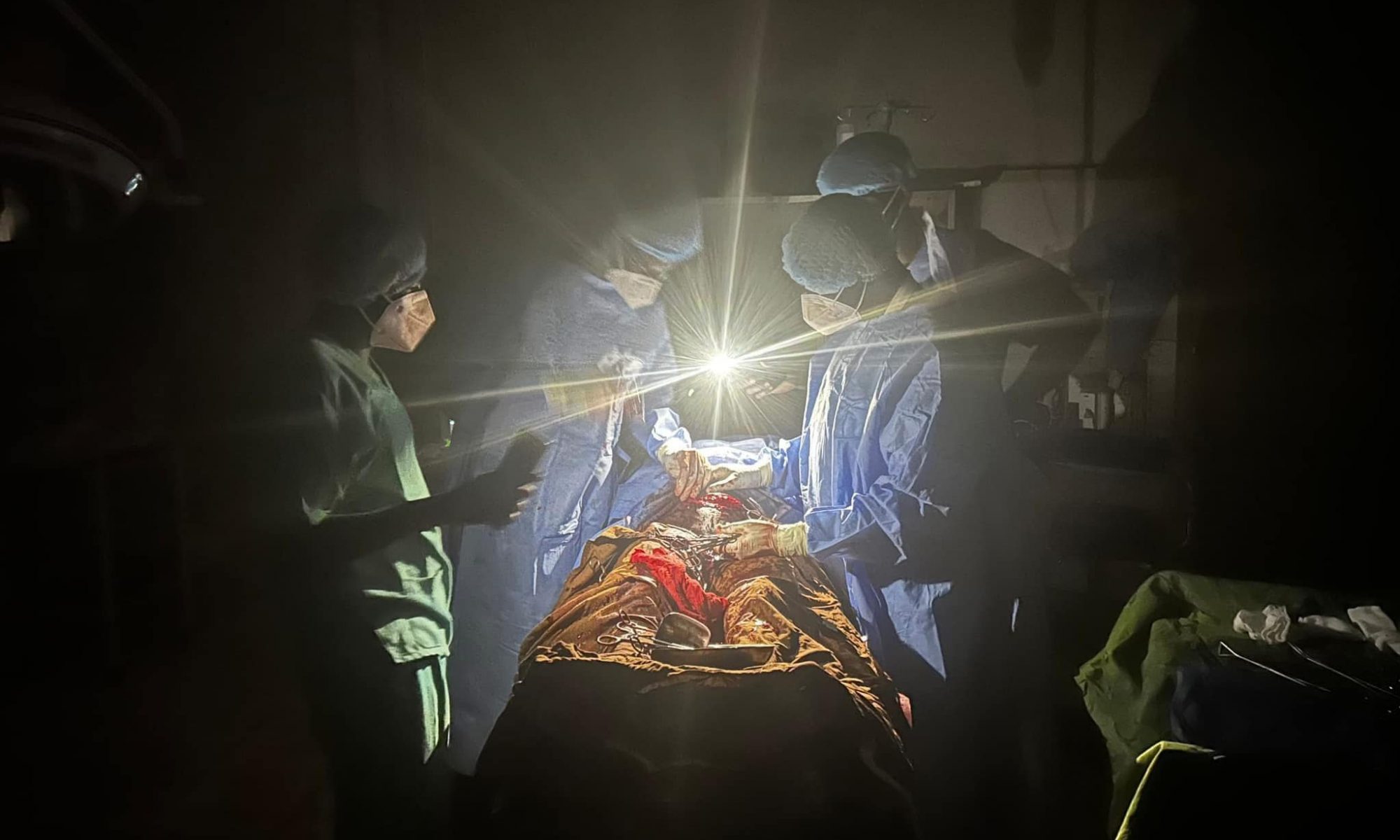

Darfur, a vast region in western Sudan, has long been challenged by recurring conflicts, mass displacement, and environmental hardships such as drought. These factors have had a profound impact on food production and nutrition security. Malnutrition among children, pregnant women, and vulnerable households is widespread, while famine risk—exacerbated by instability and periodic droughts—remains a critical concern. Addressing nutrition and preventing famine in Darfur is not only a humanitarian imperative but also essential for long-term social and economic stability.
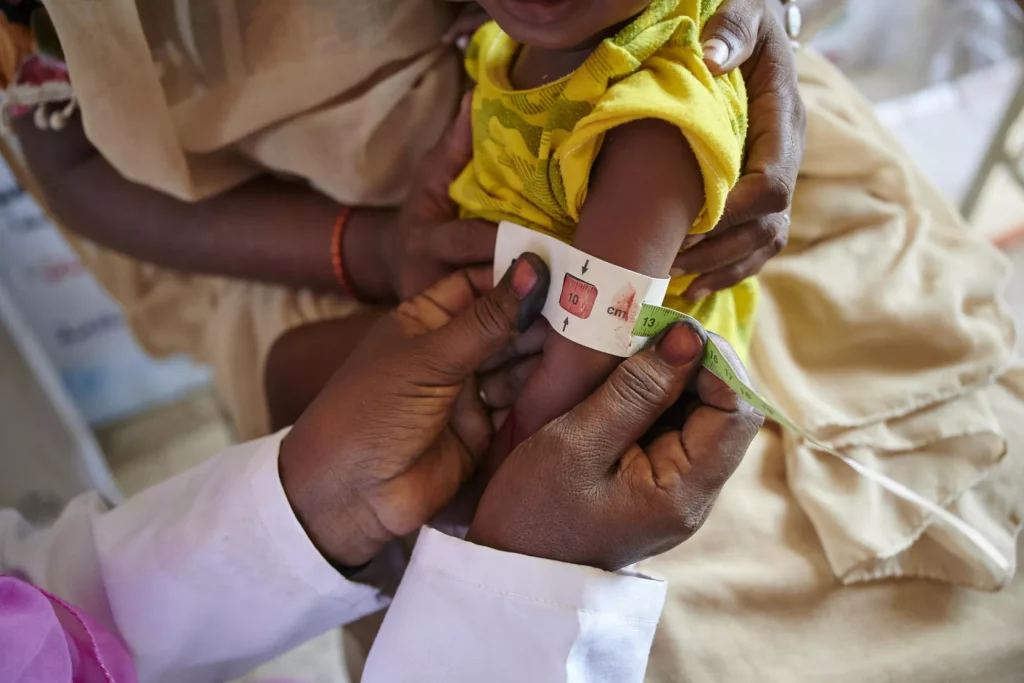
Historical and Socioeconomic Context
Traditional Nutrition and Food Security
Historically, rural communities in Darfur relied on traditional agricultural practices, pastoralism, and local knowledge to sustain nutrition. Seasonal harvests and pastoral cycles provided a degree of food self-sufficiency, while indigenous coping strategies helped mitigate short-term fluctuations in food availability. However, even prior to recent conflicts, the region’s harsh climate and arid environment posed ongoing challenges to achieving optimal nutrition.
Impact of Conflict and Displacement
Since the early 2000s, prolonged conflict has disrupted traditional food production and distribution systems. Key impacts include:
- Destruction of Infrastructure: Health facilities, storage centers, and transportation networks have been damaged or destroyed, hampering the delivery of food aid and nutritional support.
- Mass Displacement: Large-scale population movements into refugees or internally displaced people (IDP) camps have created pockets of extreme food insecurity and malnutrition.
- Economic Decline: With livelihoods disrupted and poverty on the rise, communities struggle to purchase or produce sufficient food, heightening vulnerability to famine.
The Current Nutritional Landscape
Prevalence of Malnutrition
Recent assessments by humanitarian organizations indicate that rates of acute and chronic malnutrition remain high in Darfur:
- Child Malnutrition: Wasting (acute malnutrition) and stunting (chronic malnutrition) are common, particularly among children under five.
- Maternal Nutritional Deficits: Pregnant and lactating women often suffer from insufficient caloric and micronutrient intake, heightening the risk of complications during pregnancy and affecting infant health.
- Micronutrient Deficiencies: Deficiencies in vitamins and minerals such as vitamin A, iron, and iodine are prevalent, undermining overall health and cognitive development.
Food Insecurity and Famine Risk
Multiple factors converge to sustain food insecurity and the perpetual risk of famine:
- Environmental Uncertainty: Frequent droughts, unpredictable rainfall patterns, and land degradation severely limit agricultural productivity.
- Market Disruptions: Insecurity and damaged infrastructure hinder the movement of goods, inflating food prices and limiting access to nutritious food in both rural and urban areas.
- Limited Social Safety Nets: With weak governmental capacity and fragmented policy systems, local communities have few mechanisms to cope with acute food shortages, making them highly susceptible to famine conditions.
Determinants of Malnutrition and Famine
Conflict, Displacement, and Insecurity
- Direct Impact on Food Production: Recurring conflict destroys farmland, discourages investment in agriculture, and forces pastoralists to abandon productive areas.
- Disrupted Patterns: Displacement leads to fragmented family units and loss of traditional support networks, undermining local food production and distribution.
- Insecurity: The constant threat of violence limits community initiatives and discourages market activities, deepening food insecurity.
Environmental and Climatic Factors
- Drought and Aridity: Darfur’s harsh climate, characterized by extended droughts and degraded land, reduces crop yields and limits livestock productivity.
- Water Scarcity: Insufficient and unreliable water sources further constrict agricultural output and impede nutritional programs.
Socioeconomic Barriers
- Poverty: Widespread poverty restricts access to purchasing healthy, diverse foods, while limited income forces households to rely on less nutritious, staple diets.
- Healthcare Gaps: Poor access to health services exacerbates malnutrition by limiting early detection and intervention for nutritional deficiencies and related diseases.
Current Interventions and Approaches
Humanitarian Response Programs
- Food Aid and Supplementation: Numerous NGOs and international agencies implement emergency food distributions and supplementary feeding programs targeting children, pregnant women, and vulnerable households.
- Community-Based Nutrition Programs: Initiatives include the training of community health workers, nutritional education campaigns, and the promotion of locally available, nutrient-rich foods.
- Emergency Preparedness Initiatives: Temporary measures such as early warning systems, mobile clinics, and emergency response teams are in place to address imminent food shortages and mitigate famine risk.
Local and Governmental Initiatives
- Rehabilitation of Agricultural Infrastructure: Some local government and NGO partnerships focus on rehabilitating irrigation systems, improving road networks, and providing seeds and tools to local farmers.
- Capacity Building: Programs that enhance local capacities—through technical training and community-based management—aim to strengthen resilience and foster sustainable food production.
Strategic Recommendations for Nutrition and Famine Prevention
Strengthen Infrastructure and Capacity
- Rebuild and Upgrade Facilities: Invest in rehabilitating health centers, storage facilities, and transportation networks to improve access to nutritious food and ensure effective food aid distribution.
- Support Local Agriculture: Promote sustainable agricultural practices through capacity-building programs, provision of drought-resistant crop varieties, and the rehabilitation of water and irrigation systems.
Enhance Early Warning Systems
- Implement Robust Surveillance: Develop and deploy effective early warning systems that monitor weather patterns, crop yields, market prices, and nutritional indicators.
- Data-Driven Responses: Strengthen data collection and analysis to inform timely interventions, ensuring that emergency response teams can engage before food insecurity escalates to famine.
Improve Coordination and Integration
- Multi-Sectoral Approaches: Integrate nutritional programs with broader health, education, and economic development initiatives to generate holistic improvements in food security and community resilience.
- Strengthen Partnerships: Encourage collaboration among governmental agencies, NGOs, donor organizations, and local communities to develop coordinated strategies for famine prevention and nutritional support.
- Community Engagement: Empower local leaders and community groups to actively participate in decision-making processes, ensuring culturally appropriate and sustainable interventions.
Promote Sustainable Financing and Policy Reform
- Innovative Financing Models: Explore public–private partnerships, community-based insurance schemes, and donor-funded programs to provide sustainable funding for nutrition and food security initiatives.
- Policy Integration: Formulate and enforce policies that integrate nutrition, agricultural development, and emergency preparedness, ensuring that interventions are long-term, integrated, and resilient to future shocks.
Nutrition and famine prevention in Darfur confront a complex interplay of conflict, environmental stress, and economic deprivation. The chronic challenges of malnutrition and the looming threat of famine demand a comprehensive, multi-sectoral approach. By strengthening infrastructure, enhancing local agricultural production, improving early warning systems, and fostering coordinated responses among all stakeholders, Darfur can build the resilience necessary to protect vulnerable populations. Sustainable policy reforms and innovative financing models are essential to transition from short-term emergency relief to long-term food security and nutritional well-being.