
Monsoon or rainy-season diseases refer to infections and health conditions exacerbated by, or emerging during, the rainy period. In Darfur, while the climate is largely arid, the seasonal rains—typically occurring between June and September—can lead to:
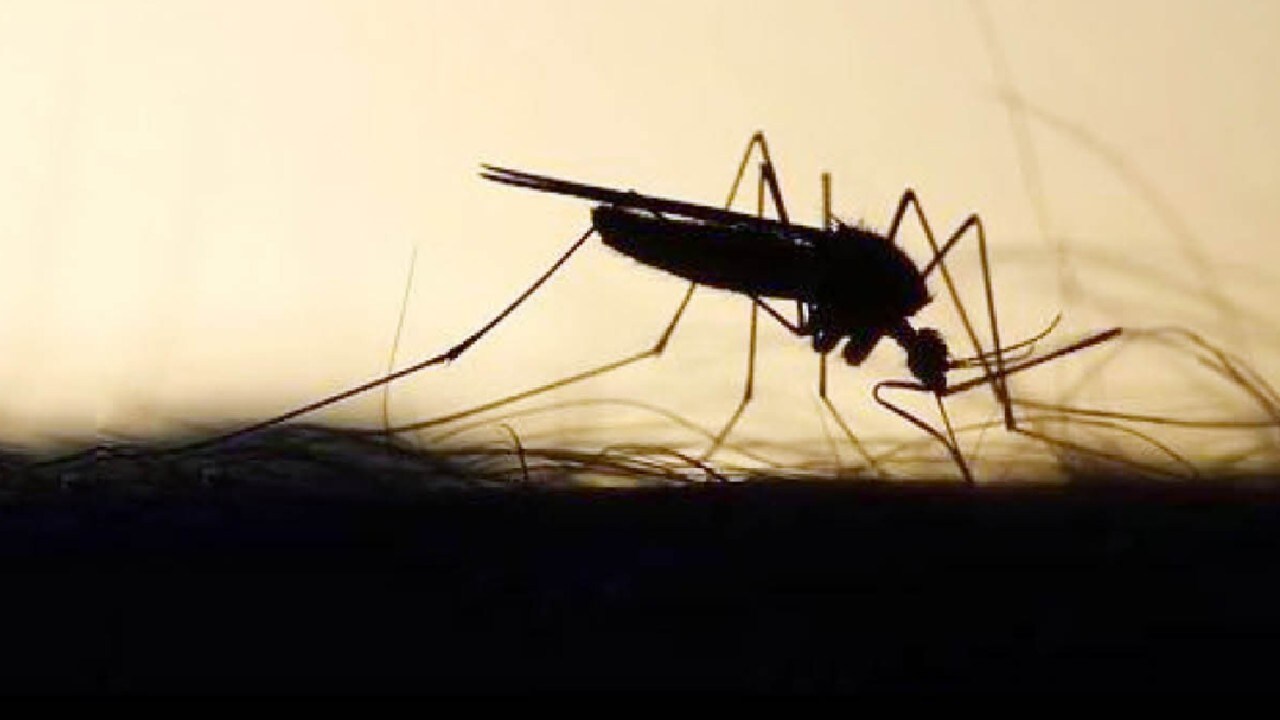
- Increased mosquito breeding due to standing water, which may trigger a surge in malaria and other vector-borne infections.
- Contamination of water sources leading to waterborne diseases such as diarrheal illnesses and cholera.
- Disruption of already fragile infrastructure that hinders proper sanitation and health service delivery.
In a conflict-affected area like Darfur, where health systems are under strain from both infrastructural deficits and population displacement, these seasonal challenges further complicate the public health landscape.
Historical and Environmental Context
Climate and Rain Patterns in Darfur
- Short Rainy Season: Although Darfur’s overall climate is arid, it receives seasonal rains that are both unpredictable and intense. This short rainy season creates temporary environmental conditions—such as isolated pools and floodwaters—that can fuel disease outbreaks.
- Environmental Stressors: In combination with longstanding aridity, the intense rains can lead to soil erosion, flooding, and water contamination. Such conditions strain local agriculture and pastoral activities, further deepening food and nutrition insecurity.
Conflict and Population Displacement
- Infrastructure Disruption: Decades of conflict have weakened Darfur’s transport, sanitation, and healthcare infrastructures. Seasonal rains can further disrupt these fragile systems, leading to inadequate water and waste management.
- Movement and Crowding: Displaced populations often reside in overcrowded camps with limited access to clean water and proper sanitation, making them especially vulnerable during the rainy season.
Epidemiology of Monsoon-Related Diseases
During the rainy season, several disease categories experience heightened activity:
Influenza
- Transmission: This usually happens due to the change in weather and fluctuation in temperature. This illness can turn into a viral infection and transfer from one person to another.
- Symptoms: Fever, Aching muscles, Sweating, Headache, Nasal congestion, Sore throat, Dry, persistent cough
Vector-Borne Diseases
- Malaria:
- Transmission: With increased rainfall, stagnant water becomes a breeding ground for Anopheles mosquitoes—the primary vectors of malaria.
- Impact: Outbreaks can lead to surges in malaria cases, straining already limited healthcare resources and impacting vulnerable groups such as pregnant women and children.
- Other Arboviral Diseases:
- Potential Risks: Although less documented in Darfur than in other parts of Africa, outbreaks of arboviral infections like dengue fever or chikungunya are possible under conditions of increased vector density.
- Monitoring Needs: Given the changing patterns of disease transmission in a warming climate, vigilance remains essential.
Waterborne Diseases
- Diarrheal Diseases and Cholera:
- Mechanism: Heavy rains can overwhelm inadequate sanitation systems and contaminate water supplies with pathogenic organisms.
- Consequences: Outbreaks of cholera, typhoid, and other diarrheal diseases can be particularly severe in overcrowded settings like IDP camps, where access to clean water is limited.
- Other Infections:
- Leptospirosis: Although less frequently reported, the presence of floodwater can increase risks of leptospirosis—a bacterial disease transmitted through animal urine in contaminated water.
Secondary Impacts on Nutrition and Health
- Nutritional Deficits:
- Chain Reaction: Floods and other weather extremes can damage crops and disrupt food distribution, further deteriorating nutritional status among vulnerable populations.
- Compounding Factors: Malnutrition weakens immune responses, thereby increasing susceptibility to infections that emerge during the rainy season.
Determinants and Risk Factors
Several factors contribute to the heightened risk of monsoon diseases in Darfur:
Environmental Determinants
- Rainfall Variability: Unpredictable and intense rainfall events lead to rapid environmental changes, such as flooding and the formation of stagnant water pools.
- Water Scarcity and Quality: Even as rainy periods temporarily increase water availability, the overall scarcity in the region combined with poor water management can lead to contamination.
Socioeconomic and Infrastructural Determinants
- Weak Sanitation and Infrastructure: Decades of neglect and conflict have resulted in deficient water supply and sanitation services, making communities particularly vulnerable when heavy rains occur.
- Displacement and Overcrowding: IDP camps and temporary settlements often lack adequate sanitation and are densely populated, facilitating the spread of infectious diseases.
Health System Challenges
- Limited Diagnostic and Response Capacity: Fragmented health systems and the shortage of trained personnel hinder timely diagnosis, treatment, and vector control efforts.
- Inadequate Surveillance: The absence of robust data collection and monitoring systems hampers the ability of health authorities to detect outbreaks early and respond effectively.
Intervention Strategies and Response Measures
Addressing monsoon diseases in Darfur requires a multi-pronged strategy tailored to the local context:
Strengthen Health and Sanitation Infrastructure
- Facility Rehabilitation: Rebuild and upgrade health centers, water purification systems, and sanitation facilities to withstand seasonal extremes.
- Cold Chain and Supply Management: Ensure reliable storage and distribution of vaccines, especially for malaria prevention or cholera control, through improved cold chain management.
Enhance Disease Surveillance and Early Warning
- Integrated Monitoring Systems: Develop data collection platforms that integrate meteorological data and health indicators to provide early warnings of potential outbreaks.
- Community Reporting: Train local community health workers to report emerging trends in vector populations and water contamination, facilitating rapid response.
Implement Vector Control and Water Sanitation Measures
- Mosquito Control Initiatives: Distribute insecticide-treated nets, conduct localized fumigation campaigns, and promote environmental management practices to eliminate mosquito breeding sites.
- Water, Sanitation, and Hygiene (WASH) Interventions: Improve access to clean water through boreholes and purification systems, and conduct public awareness campaigns on hygiene practices during the rainy season.
Community Engagement and Health Education
- Behavioral Change Communication: Use culturally sensitive messaging via radio broadcasts, community meetings, and local leaders to promote preventive measures.
- Empower Vulnerable Groups: Engage women’s groups and youth networks in hygiene promotion and disease prevention activities to foster resilience at the community level.
Strengthen Coordination and Partnerships
- Multi-Sectoral Collaboration: Establish task forces that include government agencies, NGOs, community leaders, and international partners to coordinate preparedness and response efforts.
- Incorporate One Health Approaches: Recognize the interconnected nature of human, animal, and environmental health to design integrated programs for disease surveillance and control.
Conclusion and Future Directions
Monsoon diseases in Darfur represent a complex public health challenge compounded by seasonal environmental changes, weakened infrastructure, and the enduring impacts of conflict and displacement. Although the period of rainfall is brief, its impacts can be profound—triggering outbreaks of malaria, waterborne illnesses, and other infectious diseases with cascading effects on community nutrition and overall health.
Addressing these challenges requires sustained investments in infrastructure, robust early warning systems, targeted vector control, improved water sanitation, and strong community engagement. By integrating these strategies into broader public health and emergency response frameworks, stakeholders can enhance resilience against seasonal disease outbreaks and contribute to long-term stability and well-being in Darfur.
Continued research, data collection, and multi-stakeholder collaboration will be essential to refining these interventions. Learning from comparable experiences in other regions affected by seasonal extremes and conflict can offer valuable insights into scalable, sustainable solutions for Darfur.