
Darfur, a region in western Sudan, has long been synonymous with conflict and humanitarian hardship. The protracted crisis that began in the early 2000s has profoundly affected every facet of life—no one area has been more affected than the health services. With millions displaced and infrastructure decimated, the provision of quality health care remains not only an urgent humanitarian priority but also a significant challenge for both local authorities and international organizations.
Historical and Geopolitical Background
- Conflict and Displacement: The onset of conflict in the early 2000s led to large-scale displacement, destruction of infrastructure, and a disruption of social services. Health facilities were often damaged or abandoned, forcing many residents into dire circumstances where access to medical care was severely compromised.
- Social Fabric and Infrastructure: Prior to the conflict, Darfur’s health services were already under pressure from rural dispersion and limited government investment. The crisis exacerbated these preexisting vulnerabilities, leaving a legacy of weakened institutions and strained community resources.
Structure of Health Services in Darfur
Public Healthcare System
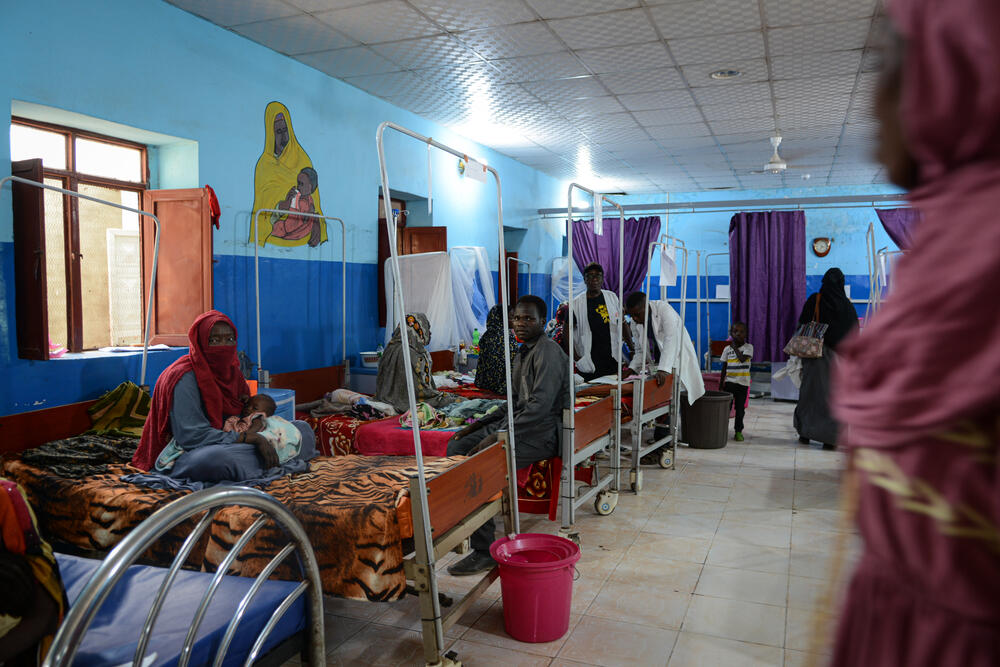
- Primary Healthcare: Much of the health care in Darfur is delivered through basic clinics and health centers. These facilities, often located in rural areas, are intended to serve as the first point of contact for the community. However, the network is hindered by inadequate infrastructure, shortages in personnel, and frequent supply chain disruptions.
- Secondary and Tertiary Care: Hospitals in larger towns and cities offer specialized services. Unfortunately, these are few and far between, and many are operating under suboptimal conditions due to the damage incurred during periods of intense conflict.
Role of Non-Governmental Organizations (NGOs)
- Humanitarian Response: Numerous NGOs—such as Médecins Sans Frontières (MSF), the International Rescue Committee (IRC), and UNICEF—have stepped in to fill the gaps left by the government. Mobile clinics, vaccination drives, and community-based health programs have been significant in mitigating the crisis.
- Community Health Workers: In many areas, local community health workers play a critical role in providing basic care, delivering health education, and acting as the first responders in emergency situations. Their efforts are invaluable in bridging the gap between formal health services and remote populations.
Critical Challenges Facing Health Services
Infrastructure and Logistics
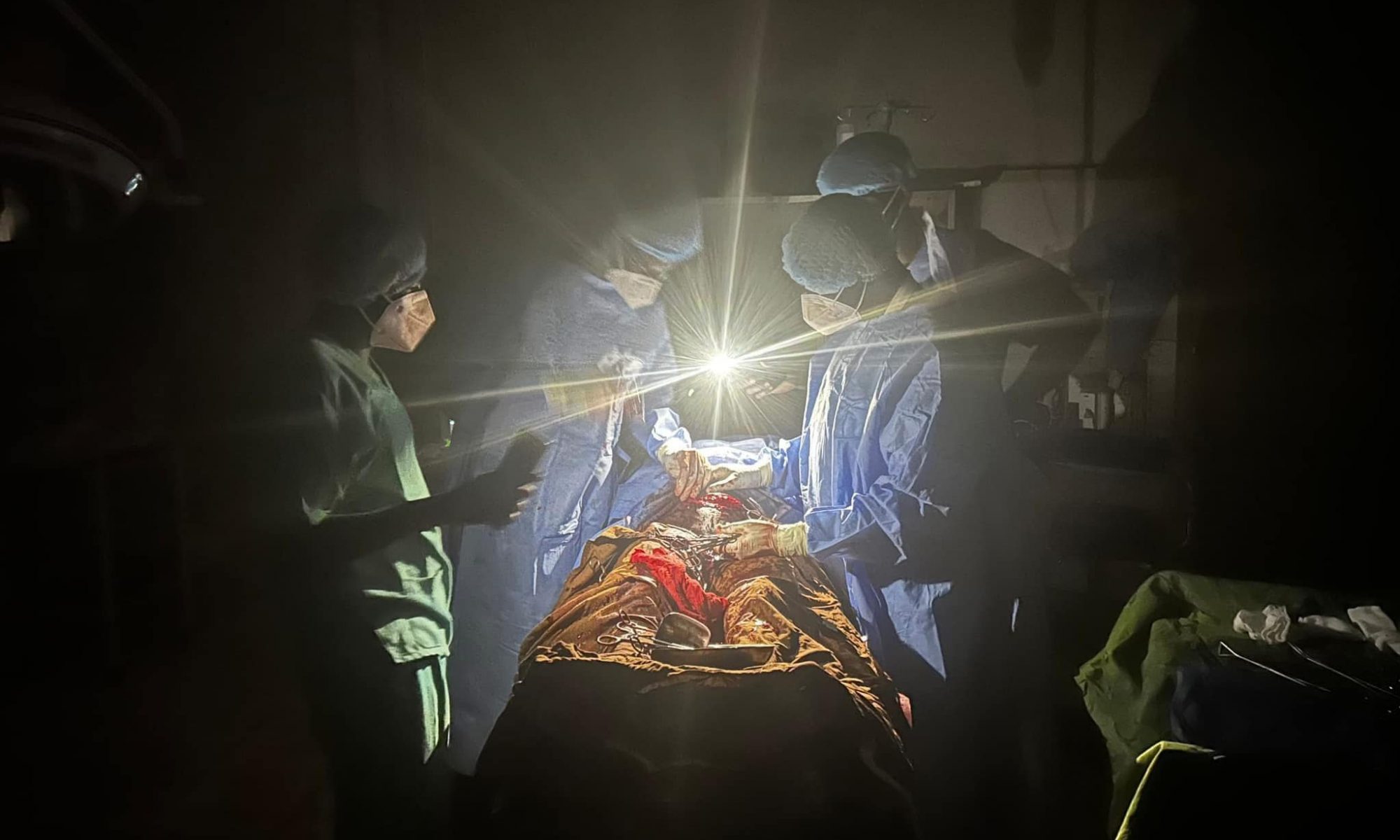
- Dilapidated Facilities: Continuous conflict has left many health facilities in a state of disrepair. Infrastructural challenges are compounded by difficult terrain, poor road networks, and a lack of reliable electricity and water supplies.
- Supply Chain Interruptions: The constant threat of renewed conflict or regional instability impedes the regular delivery of essential medicines and supplies, leaving many facilities understocked.
Human Resources
- Staff Shortages and Safety Concerns: Trained healthcare professionals are in short supply. Many have fled due to insecurity, and those who remain face persistent risks and stress associated with working in a conflict zone.
- Training and Capacity Building: Limited opportunities for professional development often mean that local staff are not equipped to handle complex or emergency cases, further undermining the quality of care.
Health Outcomes
- Maternal and Child Health: High rates of maternal and infant mortality persist due to inadequate antenatal care, malnutrition, and the absence of essential obstetric services.
- Chronic and Infectious Diseases: The crisis has led to increased vulnerability to infectious diseases, outbreaks, and chronic conditions. Interruptions in vaccination programs and the spread of communicable diseases like cholera and measles have been reported.
- Mental Health: The toll of prolonged violence and displacement has sparked a mental health crisis, with many individuals suffering from trauma, depression, and anxiety. Mental health services are extremely scarce, compounding the overall burden on the community.
Humanitarian Interventions and International Support
Emergency and Long-Term Responses
- Mobile Clinics and Outreach Programs: In response to the inaccessibility of fixed facilities, mobile clinics have played a crucial role. These have helped to deliver primary care, distribute medications, and implement outbreak control measures in remote areas.
- International Funding and Collaboration: Multiple donor agencies and international bodies have funded projects aimed at both immediate relief and long-term health system strengthening. Efforts include rebuilding facilities, training local healthcare workers, and improving logistical support.
- Rebuilding Efforts: Recent initiatives have focused on not only restoring damaged facilities but also on enhancing community resilience by integrating health services with education and economic development programs. These integrated approaches aim to create a more sustainable model for health care provision in a post-conflict setting.
Innovating Under Constraints
- Telemedicine and Remote Training: With security and distance posing significant challenges, there is growing interest in telemedicine solutions and remote training programs that can help extend the reach of medical expertise into hard-to-access areas.
- Community Empowerment: Empowering local communities through training and micro-funding projects has shown promise in developing localized solutions that are both effective and culturally appropriate.
Policy Analysis and Future Directions
Sustainable Health System Strengthening
- Investing in Infrastructure: Rebuilding and modernizing health facilities must be a central pillar of any long-term strategy. This includes not only physical infrastructure but also investments in technology and supply chain management to ensure resilience.
- Developing Human Capital: Policies aimed at training healthcare professionals, along with incentives to retain skilled workers in the region, are essential. Partnerships with international institutions could help bridge the education and resource gaps with dedicated programs.
Integrating Health and Humanitarian Efforts
- Collaboration Between Stakeholders: A coordinated approach involving local government, NGOs, and international donors is critical. Joint planning and execution of health programs can prevent duplication of efforts and ensure more efficient use of limited resources.
- Focus on Primary Health Care: A shift toward a more primary care–oriented health system that emphasizes prevention, early intervention, and community health can lay the foundation for improved overall health outcomes.
Addressing Emerging Needs
- Mental Health and Trauma Services: Expanding access to mental health support is vital. Innovative interventions, such as community-based psychological rehabilitation programs, should be implemented alongside traditional medical care.
- Preparing for Future Crises: Building more robust emergency response systems that can rapidly react to outbreaks or renewed conflict will be essential. This includes stockpiling essential medicines and establishing clear communication channels between key stakeholders.
The state of health services in Darfur is emblematic of the challenges faced by any region marked by prolonged conflict, massive displacement, and chronic underinvestment in public services. While humanitarian interventions have made significant inroads—providing essential care to vulnerable populations—the need for a robust, sustainable, and integrated health system remains critical. Addressing the multifaceted challenges requires concerted efforts from local authorities, international donors, NGOs, and the communities themselves. The path forward should prioritize rebuilding infrastructure, enhancing human capital, and fostering innovation in service delivery, ensuring that the future healthcare landscape in Darfur is resilient and equitable.