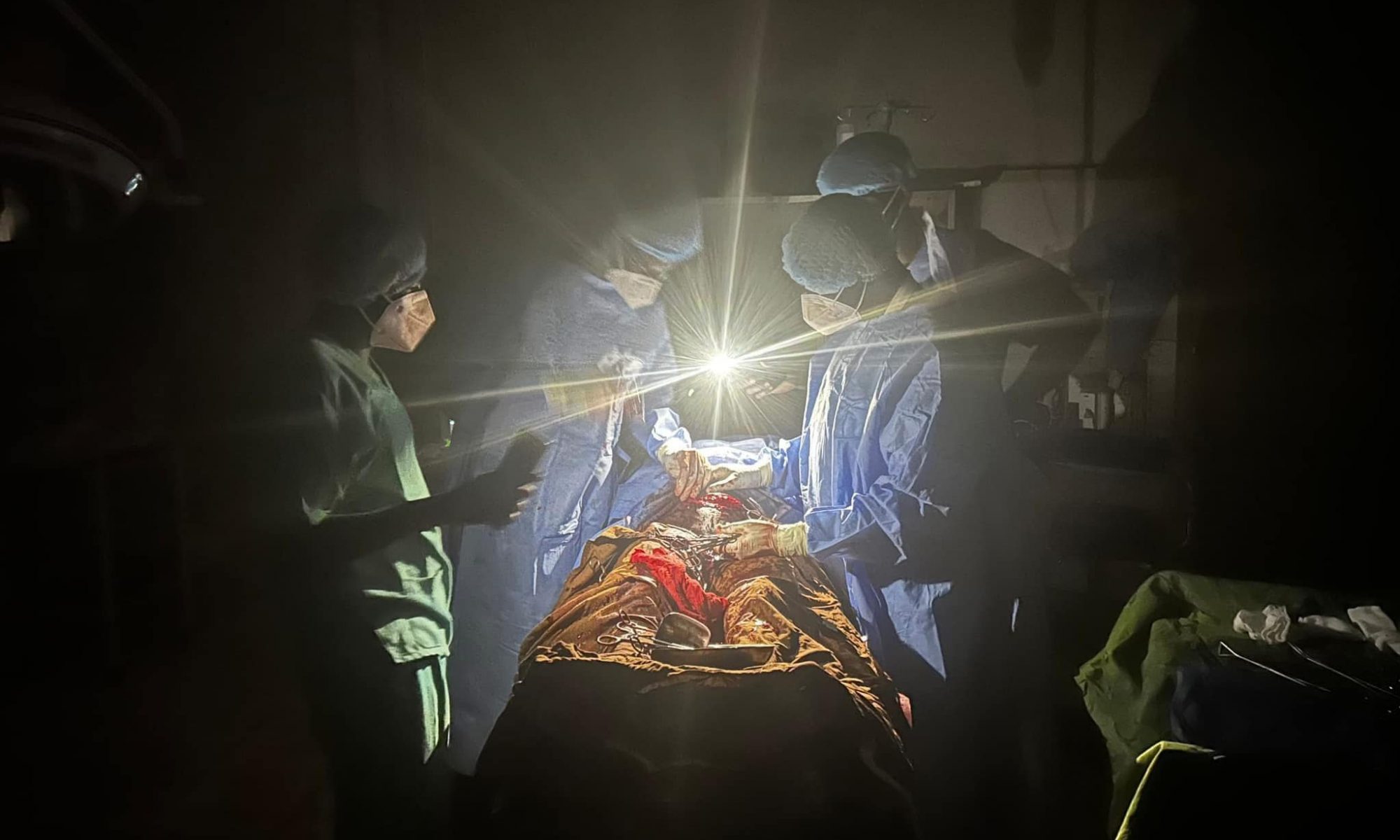

Darfur, a region long affected by conflict and displacement, continues to struggle with a fragile health care system. While humanitarian responses historically focus on women and children, elder care remains an under-addressed yet critical issue. The elderly in Darfur face compounded vulnerabilities—chronic health conditions, mobility challenges, and often limited social support—in an environment where access to even basic health services is a daily struggle. In this conflict-affected setting, the health and well-being of older adults are jeopardized by the collapse of infrastructure and ongoing instability.
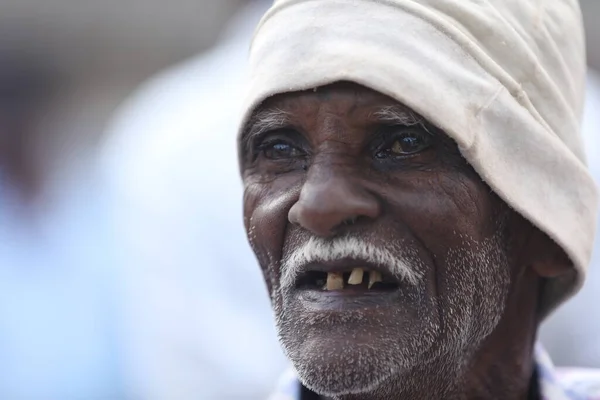
Demographic Profile and Specific Needs of the Elderly
Though precise demographic data on elderly populations in Darfur are limited, estimates suggest that the number of older adults, while proportionally smaller than in more stable regions, represents a community with unique health challenges. Many elderly individuals have endured decades of instability and displacement, resulting in a cumulative burden of chronic illnesses such as hypertension, diabetes, and musculoskeletal disorders. Moreover, mental health issues—including depression, anxiety, and post-traumatic stress—are common given the prolonged exposure to conflict, loss, and social disruption. Their needs extend beyond acute care to long-term management, rehabilitation services, and palliative support, all of which are scarce in the current humanitarian landscape.
Health Infrastructure and Service Delivery for Older Adults
- Limited Facilities and Accessibility: Recent projects, notably those led by organizations like the World Health Organization (WHO) in collaboration with local authorities, aim to rehabilitate health facilities across Darfur. For example, a project to revitalize 30 health centers intends to extend better access to quality care to more than 3 million people. However, these rehabilitation projects primarily focus on general primary health care and emergency services. There is often little emphasis on the specialized needs of elderly patients. This means that while the overall facility upgrades promise better care, older adults may still encounter challenges such as inadequate chronic disease management, absence of geriatric specialists, and a lack of trained personnel to deal with mobility issues, polypharmacy management, and long-term rehabilitation.
- Geographical and Mobility Challenges: Most health facilities in Darfur are unevenly distributed. In rural areas and conflict zones, transportation is complicated by long distances and insecure conditions. Older adults, who may have limited mobility and limited financial resources, face significant barriers reaching even the rehabilitated centers. These systemic gaps make it difficult for elderly individuals to obtain routine check-ups, manage chronic conditions, or receive timely emergency care.
Specific Challenges for Elderly Health Care in Darfur
- Chronic Disease Management: The elderly often have to manage multiple long-term conditions. In Darfur, the breakdown of consistent pharmaceutical supply chains and a shortage of chronic care management programs exacerbate their vulnerability. Without regular monitoring and medication adjustments, patients with hypertension, diabetes, arthritis, or cardiovascular ailments are at higher risk for complications.
- Mental Health and Psychosocial Support: The psychological impact of decades of insecurity and the loss of community structures often manifests in mental health issues. There is a profound need for integrated mental health services which address depression, anxiety, and trauma—especially as these conditions not only diminish the quality of life but also affect physical health. Yet, current health initiatives in the region typically offer limited mental health support, focusing instead on immediate physical conditions.
- Social Isolation and Nutritional Insecurity: Conflict and displacement have eroded traditional family structures and community networks, often leaving the elderly isolated. Nutritional support programs generally target younger or more visibly vulnerable populations, meaning that many older individuals may not receive adequate dietary support. This isolation can further deteriorate their overall health and physical well-being.
- Health Workforce Limitations: The scarcity of health workers trained in geriatric care is a critical gap. Most available healthcare providers are oriented toward acute care or maternal and child health needs. Without targeted training in elderly care protocols, many health professionals may lack the expertise required to manage the complex interplay of chronic diseases, mobility limitations, and polypharmacy commonly seen in older adults.
Current Initiatives and Gaps in Elderly Care
While humanitarian organizations such as CARE have been actively involved in enhancing overall health care in conflict-affected regions of Sudan—including South Darfur —such interventions rarely include strategies oriented specifically toward the elderly. Recent facility rehabilitation initiatives by WHO, which are upgrading 30 centers across Darfur, offer a window of opportunity. However, the integration of geriatric care remains a weak link that needs deliberate attention through specialized programs, targeted training, and community outreach initiatives geared toward older adults.
Recommendations for Improving Elderly Health Care in Darfur
- Integrate Geriatric Care into Primary Health Services:
- Develop protocols for routine screening of chronic conditions and tailor existing primary care models to address elderly-specific needs.
- Train existing health personnel in basic geriatric care, focusing on chronic disease management, mobility issues, and medication safety.
- Establish Mobile Health Units:
- Deploy mobile clinics that target remote and insecure areas to reach elderly patients who cannot travel to fixed facilities.
- These units could provide routine check-ups, basic laboratory testing, and emergency consultations.
- Enhance Mental Health Services:
- Integrate mental health screenings and provide counseling services in community health setups.
- Train community health workers and volunteers in basic psychological first aid and stress management techniques.
- Build Community Support Networks:
- Engage local leaders and community organizations in establishing support groups for the elderly.
- Encourage intergenerational programs that foster community cohesion, improve nutritional outreach, and reduce isolation.
- Strengthen Supply Chains and Facility Infrastructure:
- Ensure that rehabilitated health facilities are equipped with essential medicines, monitoring tools, and rehabilitative equipment tailored for older adults.
- Improve the regulatory framework for managing chronic conditions in high-risk populations, ensuring continuous medical supply and care.
- Collect and Utilize Data for Tailored Interventions:
- Initiate systematic data collection on elderly health indicators in Darfur to inform policy and program development.
- Collaborate with international organizations to secure funding and technical support for geriatric-specific health programs.
The challenges of providing adequate health care for the elderly in Darfur are multifaceted. Amidst infrastructural decay, ongoing conflict, and resource constraints, older adults face heightened risk of chronic illnesses, mental health deterioration, and social isolation. While current efforts to rehabilitate health facilities mark an important step forward, targeted interventions that integrate geriatric care into broader health strategies are crucial. A coordinated response that unites international organizations, local authorities, and community networks is vital to ensure that the needs of the elderly are not sidelined. By tailoring health care delivery and fostering community support, Darfur can begin to address the long-overdue needs of its aging population, ensuring dignity and quality of life for its older citizens.