

Public health in Darfur encompasses the collective efforts to improve the well-being of its diverse and often vulnerable populations through disease prevention, sanitation improvements, health education, and emergency response measures. In Darfur—a region marked by intermittent violence, mass displacement, and infrastructural decay—the public health system is tasked with addressing not only communicable diseases and malnutrition but also the long-term impacts of conflict, limited water and sanitation, and environmental hazards. This report presents an in-depth overview of the public health landscape within Darfur and identifies strategic pathways to strengthen resilience and improve outcomes for its communities.
Historical Context
Decades of conflict in Darfur have left deep imprints on its public health profile. Prior to widespread violence in the early 2000s, the region already faced challenges related to economic marginalization and infrastructural deficits. As hostilities escalated, large-scale displacement, destruction of essential services, and disruptions to the established health infrastructure further compounded public health issues. Humanitarian interventions initially attempted to fill these gaps—through emergency health clinics, vaccination drives, and distribution of essential supplies—but the long-term impact has been a fragmented public health system heavily reliant on external support.
Public Health Infrastructure and Systems
Health Policy and Governance
- Decentralized Management: Public health administration in Darfur has often been managed at a local level, with regional authorities and community groups taking charge where central governance has struggled.
- Coordination with International Partners: Multiple international organizations, including the World Health Organization (WHO), UNICEF, and various NGOs, have partnered with local authorities to establish surveillance systems, vaccination programs, and outbreak response teams.
Surveillance and Epidemiological Monitoring
- Disease Surveillance: Limited resources have led to reliance on community-based reporting systems to track the incidence of communicable diseases such as measles, cholera, malaria, and other waterborne diseases.
- Early Warning Systems: Efforts are underway to build more robust early warning and rapid response networks to detect outbreaks, though logistical challenges—such as insecure transport routes and intermittent communication—continue to hinder consistent data collection.
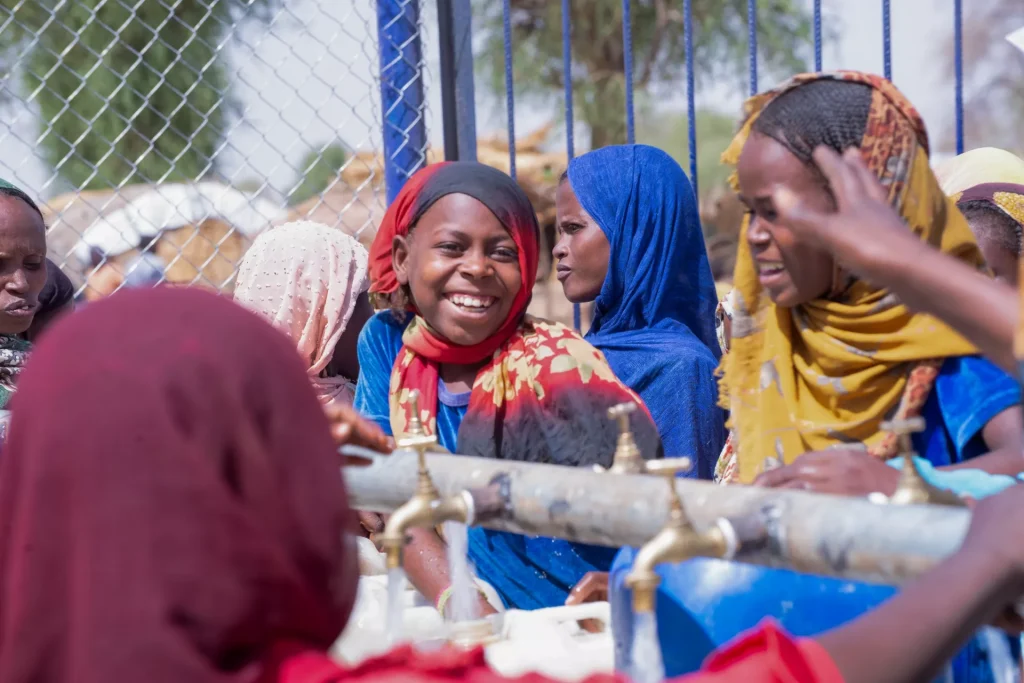
Water, Sanitation, and Hygiene (WASH)
- Sanitation Challenges: Access to safe drinking water and proper sanitation is limited in many areas, contributing to recurrent outbreaks of diarrheal diseases and other infections.
- Hygiene Promotion: Public health campaigns focusing on hygiene education have been a central strategy to mitigate disease transmission, particularly in displaced populations and remote communities.
Health Priorities and Programs
Communicable Disease Control
- Vaccination Campaigns: Periodic mass immunization drives have been implemented to curb outbreaks of measles, polio, and cholera, with international assistance bolstering local initiatives.
- Vector-Borne Diseases: Malaria prevention through the distribution of insecticide-treated nets and community education on mosquito control are key components of public health programs.
Maternal and Child Health
- Preventive Care: Initiatives emphasizing prenatal care, safe delivery, and infant immunizations are vital in reducing high maternal and infant mortality rates prevalent in conflict-affected settings.
- Nutrition Interventions: Programs addressing malnutrition—particularly among children and pregnant women—include supplemental feeding programs, micronutrient distribution, and nutritional education.
Noncommunicable Diseases and Mental Health
- Chronic Disease Management: Although the focus has historically been on communicable diseases, emerging efforts now target noncommunicable diseases through basic screening and lifestyle education.
- Psychosocial Support: Recognizing the mental health toll of prolonged conflict, community-based psychosocial interventions and counseling services are being integrated as essential components of public health care.
Challenges in Public Health
Infrastructural and Logistical Hurdles
- Fragile Health Facilities: Widespread damage due to conflict has limited the capacity of hospitals and clinics to offer reliable services, reducing the ability to manage large-scale public health interventions.
- Supply Chain Disruptions: Insecurity and poor transportation networks interfere with the consistent delivery of vaccines, medications, and equipment necessary for outbreak responses and routine care.
Human Resources and Capacity Limitations
- Shortage of Trained Professionals: Many skilled public health professionals have left the region due to insecurity and limited career opportunities, leaving a void that is often filled by undertrained community health workers.
- Training Gaps: Limited formal training programs for public health practitioners hinder the adoption of modern epidemiological and data management practices.
Socio-Cultural and Economic Constraints
- Community Trust: Historical neglect and sporadic humanitarian responses have, at times, undermined community trust in official public health initiatives, complicating efforts to mobilize local support.
- Economic Hardships: Chronic poverty and resource constraints limit the ability of households to prioritize preventive health measures, further straining public health outcomes.
Interventions and Collaborative Responses
International and Non-Governmental Support
- Emergency Health Campaigns: Organizations like MSF, WHO, and UNICEF have been pivotal in launching emergency responses during disease outbreaks and in providing essential supplies.
- Capacity-Building Initiatives: Training programs and technical assistance initiatives have been rolled out to improve local epidemiological surveillance, laboratory capacity, and health education.
Local and Community-Led Efforts
- Community Health Committees: Local committees have been instrumental in monitoring public health issues, disseminating health information, and organizing community-based interventions.
- Integration of Traditional Practices: Recognizing the influence of local culture, some programs have successfully partnered with traditional healers and community elders to promote health practices aligned with modern public health goals.
Opportunities and Strategic Recommendations
Reinforcing Infrastructure and Surveillance
- Modernizing Facilities: Investments in rebuilding and equipping health centers with the necessary diagnostic and treatment tools can improve overall service delivery in public health.
- Strengthening Surveillance Systems: Expanding digital reporting tools and community-based monitoring networks can facilitate early outbreak detection and more responsive public health interventions.
Enhancing Workforce Capacity
- Comprehensive Training Programs: Establishing locally accessible training modules and international partnerships can help rebuild the public health workforce, ensuring continued capacity even amid local instability.
- Incentive Schemes: Providing incentives and support for local professionals can help retain skilled personnel and reduce the migration of trained experts.
Fostering Multisectoral Collaborations
- Integrated Policy Approaches: Collaboration between public health, water and sanitation, education, and economic development sectors can address underlying determinants of poor health outcomes.
- Community Engagement: Empowering communities to take an active role in health decision-making—through local committees and participatory planning—can boost trust, improve adherence to health interventions, and adapt programs to cultural contexts.
Leveraging Technology
- Digital Health Innovations: Implementing mobile health (mHealth) solutions and telemedicine platforms can overcome geographical barriers, offering remote monitoring, training, and consultation services.
- Data-Driven Decision Making: Enhanced digital reporting and analysis can help public health authorities make timely, evidence-based decisions, optimizing resource allocation and intervention strategies.
Public health in Darfur is at a critical inflection point. While decades of conflict have fostered significant challenges—including damaged infrastructure, workforce shortages, and persistent socio-economic hardships—the resilience of local communities and the support of international partners provide a basis for recovery. By focusing on a multipronged strategy that reinforces infrastructure, builds workforce capacity, and leverages both technology and multisectoral collaboration, Darfur’s public health system can transition from a crisis-response model to one of sustainable, community-driven development.
The path forward depends not only on immediate humanitarian relief but also on systemic reforms that integrate public health with broader economic and social development initiatives. Strengthening public health in Darfur can become a cornerstone for peacebuilding and long-term resilience, ensuring that local communities not only survive but thrive in the face of ongoing challenges.